
Nepal’s Installed Power Capacity Reaches 4,296 MW
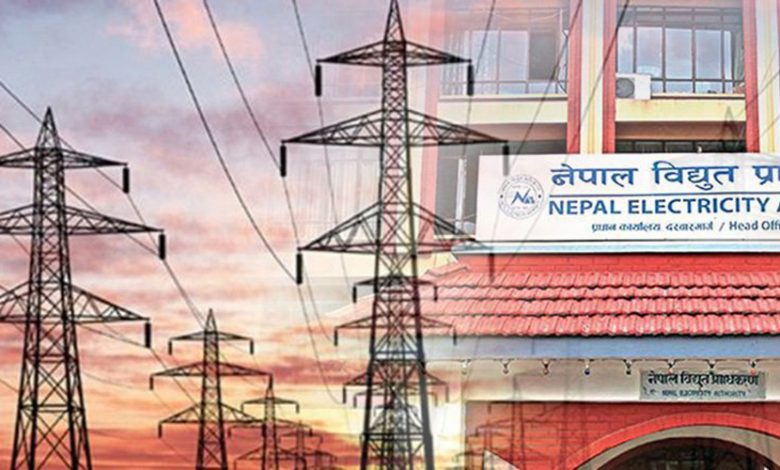
Nepal’s total installed electricity generation capacity has reached 4,296 megawatts, according to the Ministry of Energy, Water Resources and Irrigation, based on output from projects operated by both the Nepal Electricity Authority and private sector developers.
The figure excludes capacity from projects under testing and renewable energy sources not yet fully integrated into the national grid.
The ministry said the installed capacity is expected to cross 4,500 MW by the end of the current fiscal year.
Officials said around 3,000 MW worth of hydropower projects are currently under construction, while projects of similar capacity are in the pipeline for development.
In transmission infrastructure, the country has completed around 7,360 circuit kilometres of 66 kV and above transmission lines.
Substation capacity has reached 14,323 MVA.
In addition, around 8,225 circuit kilometres of 33 kV transmission lines and 3,308 MVA of substations have been built.
The government stated that electricity leakage has been reduced to 12.5 percent, attributing the improvement to enforcement measures and targeted campaigns by the Nepal Electricity Authority.
Efforts are ongoing to further reduce technical losses through system upgrades, substation expansion, and transmission improvements.
Per capita electricity consumption has reached 450 kilowatt-hours.
Electricity access through the national grid and alternative energy sources now stands at 99 percent of the population.
On energy trade, Nepal has exported 2,918 GWh of electricity while importing around 590 GWh, according to the ministry.
In the renewable energy sector, solar power generation capacity has reached 62.7 MW, while small and micro hydropower projects contribute 55.3 MW.
In irrigation, coverage has expanded to 1.587 million hectares, with year-round irrigation available on 532,090 hectares of irrigable land, the ministry added.



Comments