
Nepal Tightens Rules on Riverbed Mining and Quarry Resource Extraction
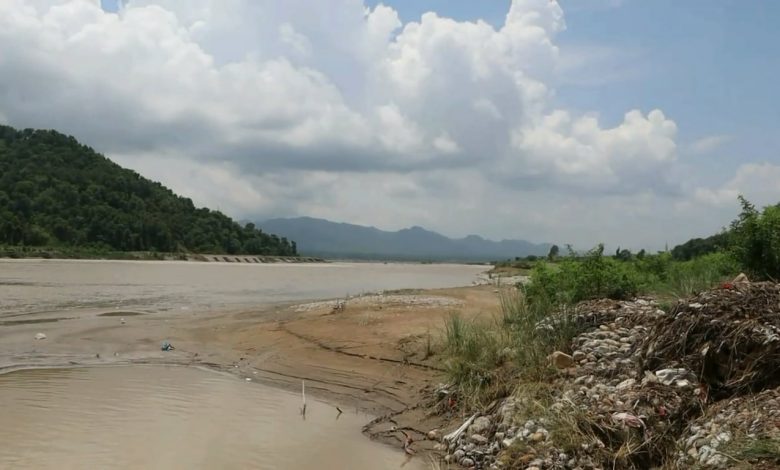
Nepal’s Office of the Prime Minister and Council of Ministers has directed all relevant ministries, provincial governments, and local authorities to strictly regulate the extraction and transport of riverbed and mining materials, citing growing concerns over illegal excavation and environmental damage.
The directive focuses on the extraction of construction materials such as stone, gravel, sand, and soil from rivers and quarry sites.
Authorities said complaints and reports had highlighted widespread illegal mining, unauthorized transportation, and unregulated sales of natural resources across different parts of the country.
The government instructed agencies to ensure that all extraction activities comply with approved standards, environmental impact assessments and existing laws.
It emphasized the need to balance infrastructure development with environmental protection and sustainable resource management.
According to the directive, excessive exploitation of rivers and quarry resources must be discouraged while ensuring that development projects do not face shortages of construction materials.
Officials have been asked to make extraction, transportation and use of these resources more transparent, organized, and sustainable.
The Prime Minister’s Office sent the instruction to several federal ministries, including Home Affairs, Forests and Environment, Energy and Water Resources, Finance, Industry and Commerce, and Land Management, as well as to all provincial chief ministers and local governments.
Authorities were also instructed to intensify monitoring and deploy regular patrols to prevent illegal excavation and smuggling of riverbed materials.
In high-risk areas, local residents are to be involved in oversight efforts, while police have been directed to take immediate action against unauthorized extraction and transport operations.
To reduce environmental harm, the government ordered that excavation in rivers, forests, agricultural land, and residential areas must only take place in ways that avoid ecological destruction.
Local governments have additionally been asked to limit riverbed extraction activities to between 6:00 a.m. and 6:00 p.m.
The directive also stresses worker safety, environmental conservation, and protection of local community interests in mining operations.
Authorities have been told to prevent revenue leakage by ensuring invoices reflect actual transaction values and by discouraging fraudulent billing practices.
Local governments are expected to coordinate with stakeholders to launch public awareness campaigns promoting sustainable use of river and mining resources.
The Home Ministry has been instructed to submit monthly progress reports and updates on challenges to the Prime Minister’s Office during the first week of every month.
Environmental experts in Nepal have long warned that uncontrolled extraction of sand, gravel, and stones from rivers contributes to erosion, flooding risks, biodiversity loss, and damage to farmland and settlements, particularly during the country’s monsoon season.

Comments