
Rana Tharu Celebrate Month-long Hori Festival in Nepal’s Far West
Bijeta Bhandari/Dinesh Bista
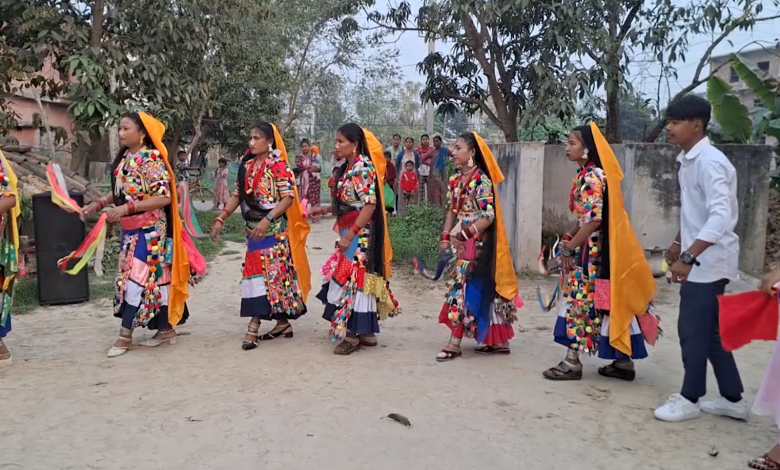
While Holi is usually a day or two in most parts of Nepal, the Rana Tharu community in the far-western plains of Sudurpaschim province celebrates Hori for over a month, combining rituals, dance, and community gatherings.
This year, festivities paused briefly for the 2026 Nepal House of Representatives election but resumed across villages of Kailai and Kanchanpur with traditional singing and dancing.
The festival begins with “Jinda Hori,” where people gather at night from the full moon of Nepali month of Magh to the full moon of Falgun to dance to drums and madal-a traditional Nepali instrument.
After Holika Dahan, when a ceremonial bonfire is lit to symbolize the burning of the demoness Holika, the second phase, “Mari Hori,” meaning “dead Hori”, continues for eight days with villagers performing dances in traditional attire.
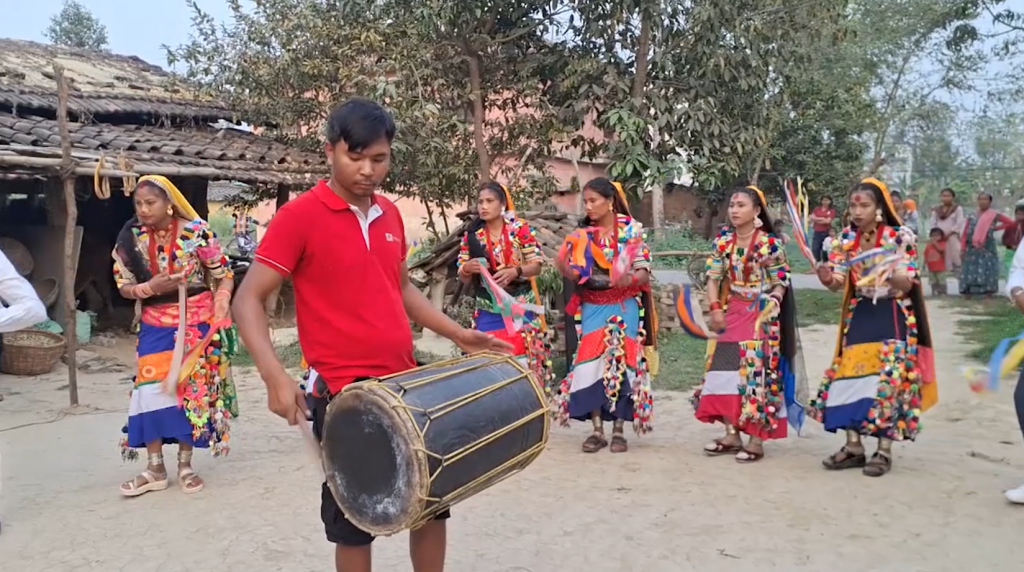
The last day, “Khakhdehara,” involves breaking a ceremonial mud pot filled with symbolic items outside the village premises, to mark the end of evil and disease, followed by sharing traditional sweets among friends and family.
The festival fully concludes after the Charaain celebration around mid-March.
Hori symbolizes truth over falsehood, unity, and cultural identity, with local governments supporting traditional programs and attire.
For the Rana Tharu, it remains a joyful festival and a vital part of their heritage and identity.


Comments