
Falgun 7: The Unyielding Legacy of Nepal’s Democracy Day
Sabika Shrestha
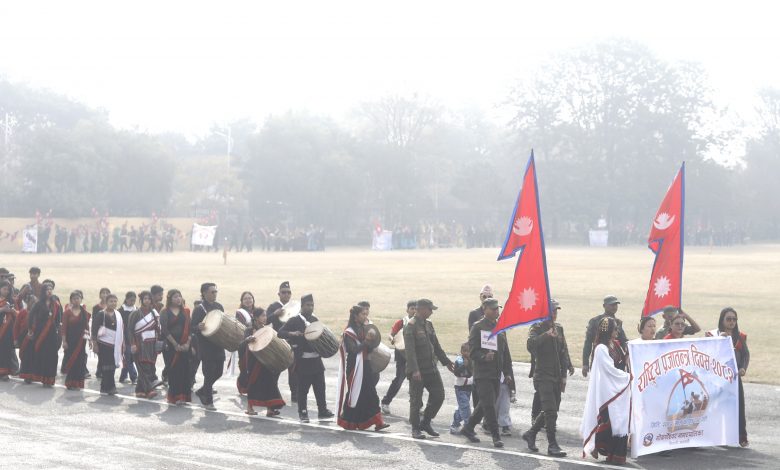
The three-day long Democracy Day celebrations kick off today in Nepal commemorating Falgun 7, 2007 Bikram Era which as per Gregorian Calander fell on February 19, 1951.
Amid numerous democratic movements and uprisings in Nepal’s modern history, Falgun 7, 2007 Bikram Era remains central to the foundation of democracy.
The date, February 19, 2051 marks the country abolished 104-year long rana oligarchy. That was the beginning of democracy in Nepal, though the struggles that followed mark another chapter.
Led by the then monarch Tribhuvan Bir Bikram Shah himself, the nearly four year-long struggles, waged from outside the country culminated in the abolition of Rana regime.
The seed of democracy was sown in Nepal on that very day which even today despite numerous other democratic movements down the timeline remains relevant.
The sapling of democracy was crushed nine years later in 1960 and the period from 1961 till 1990 marked the party less panchayat regime.
In 1990, people’s movement organized by Nepali Congress and Nepal Communist Party successfully restored democracy with then King Birendra conceding absolute monarchy to more of a ceremonial role.
In April 2006, the Second Popular Movement was waged with the involvement of the warring Maoist rebels against King Gyanendra’s direct rule, once again restoring democracy in the country.
In between these major moments and historic episodes, even today Falgun 7, 2007 Bikram Era stands out as the democracy day in Nepal mainly because it was first ever such movement that sows the seed of democracy.
Political scientist Dr. Bheshraj Ghimire said the day marked a historic turning point in Nepal’s political journey.
“It was a great day in Nepali history when the Nepali people fought against the Rana oligarchy. Rana oligarchy means Rana autocracy. This system suppressed the Nepali people. With the end of that regime, Nepal entered the journey of political democracy and a democratic system,” he said.
According to him, the movement was not just the fall of an autocratic regime but a victory for the people and a defining landscape for the foundation of Nepali democracy.
The significance of Democracy Day extends beyond historical remembrance. The importance of Falgun 7 can also be traced in the Martyrs Day celebrations.
Despite the country having more than eleven thousand martyrs, the day is primarily dedicated to four martyrs who sacrificed their life in the struggle against the Rana Regime in 1951.
Amid ongoing political instability, governance challenges, and public demands for accountability, Democracy Day reminds leaders and citizens alike that democracy was hard-earned through struggle, and its preservation requires continued commitment, participation, and responsibility.



Comments