
Nepal Culls Over 569,000 Birds Amid H5N1 Outbreak
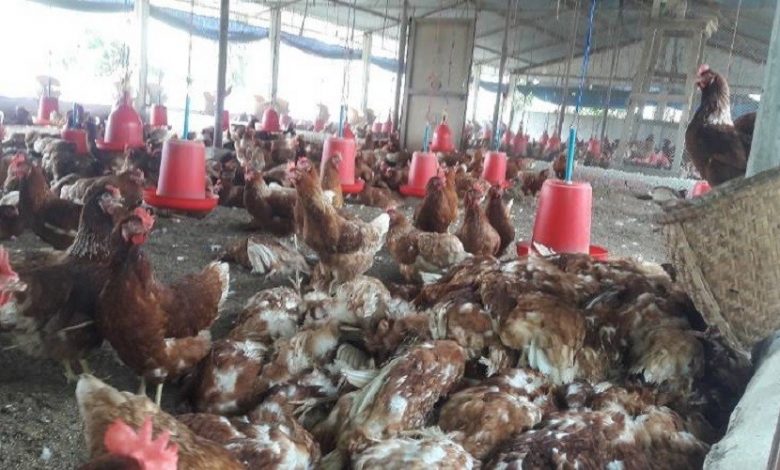
A bird flu outbreak in Nepal has spread to 82 locations across 11 districts, prompting authorities to step up surveillance and containment measures, with infections continuing to be reported in the Kathmandu Valley.
The outbreak, caused by the H5N1 avian influenza virus, was first detected in Morang district of Eastern Nepal in March and has since spread to Jhapa, Sunsari, Mahottari, Bara, Chitwan, Nawalparasi, Kathmandu, Bhaktapur, Lalitpur and Kavrepalanchok, according to the Department of Livestock Services.
Authorities say more than 569,000 birds have been culled to contain the outbreak, along with nearly one million eggs and about 195 tonnes of poultry feed.
A dedicated bird flu control unit has been deployed to coordinate response efforts with provincial and local governments.
Officials say the outbreak has been brought under control in several affected districts, including Morang, Jhapa, Sunsari, Bara, Mahottari, Chitwan and Nawalparasi.
However, infections continue to be reported in parts of Kathmandu, Lalitpur, Bhaktapur and Kavrepalanchok, where enhanced monitoring remains in place.
The department says it has begun genetic sequencing of the virus in collaboration with the National Public Health Laboratory to determine whether any significant mutations have occurred.
Authorities have urged poultry farmers to strengthen farm biosecurity, disinfect vehicles and equipment, prevent contact between domestic and wild birds, and immediately report any unusual bird deaths to veterinary officials.




Comments