
Nepal Confronts a Growing Blood Supply Crisis
Sabika Shrestha
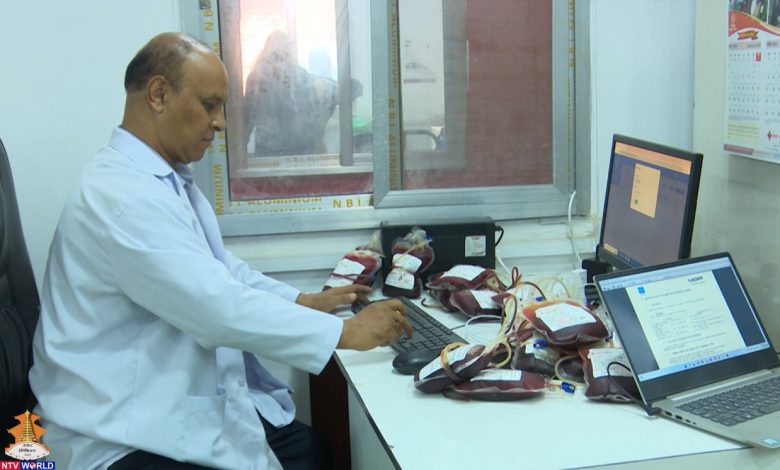
Health institutions and community groups across Nepal mark World Blood Donor Day on June14 launching an urgent appeal for regular, voluntary donations as a chronic shortage of blood products strains major medical hubs nationwide.
Rallying under the global theme “One Drop of Humanity, Give Blood. Save Lives.”, public health officials warned that the current deficit is placing a severe logistical burden directly onto the families of critical care patients.
The acute shortfall is intensely visible across regional medical networks.
In western city of Pokhara, the daily demand of 70 to 80 units routinely outpaces supply lines, while the critical medical hub in Chitwan requires roughly 150 units each day to sustain cancer treatments and emergency trauma surgeries.
Even at the Central Blood Transfusion Service in Kathmandu, critical blood groups are frequently depleted, forcing anxious families to independently crowdsource replacement donors on social media networks.
Public health advocates identify a dual structural pressure driving this domestic deficit.
A massive wave of youth migration out of Nepal is steadily shrinking the primary pool of young, healthy donors, while a rising prevalence of chronic lifestyle illnesses like hypertension and diabetes further restricts eligibility among the remaining population.
This demographic strain is worsened by severe infrastructure disparities outside the capital.
Out of more than 100 Red Cross blood service locations scattered across Nepal, only five sites possess advanced apheresis capabilities to separate blood components, leaving the vast majority of rural networks dependent entirely on basic, unseparated whole-blood collection.
Because blood cannot be manufactured artificially, health advocates stress that building true healthcare resilience requires urgent government modernization of provincial blood banks and digital tracking systems to ease the crisis.

Comments