
IPPAN Submits 53-Point Energy Reform Proposal
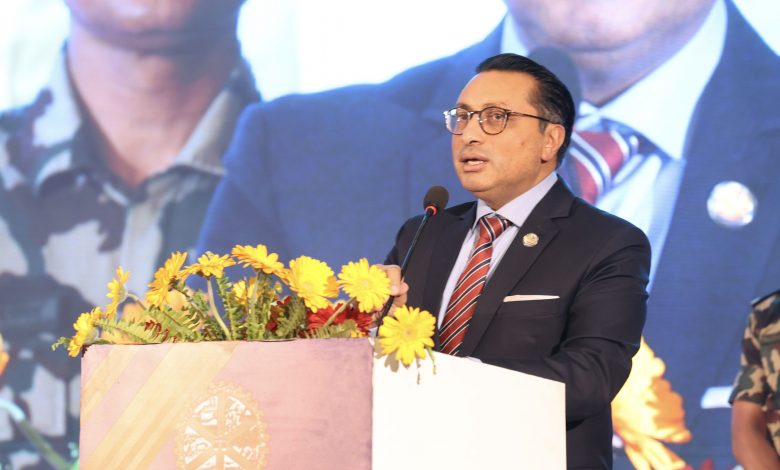
The Independent Power Producers’ Association, Nepal (IPPAN) has submitted a 53-point set of recommendations for the upcoming fiscal year 2026/27 budget and programme, calling for stronger policy and investment reforms in the energy sector.
During a meeting with Finance Minister Dr. Swarnim Wagle, IPPAN Chairperson Ganesh Karki presented the proposals, stressing the need for an enabling policy environment to accelerate hydropower development and attract private investment.
Karki said private sector investors are ready to contribute to the government’s target of producing 30,000 megawatts of electricity within the next decade.
He urged the government to align budget priorities with this ambition by opening up Power Purchase Agreements (PPAs), allowing private sector participation in electricity trade and transmission, and ensuring timely issuance of IPOs through the Securities Board.
He also called for stronger security arrangements for energy projects and clearer legal provisions to support investment.
Finance Minister Dr. Swarnim Wagle said the government is committed to positioning the energy sector as a key driver of economic growth, noting its increasing contribution to the national economy.
He said energy will be developed as a central pillar of Nepal’s economic strategy and assured that the government is working to strengthen the sector through supportive policies.
Wagle also stressed that while the government seeks greater private sector participation, investors must maintain professionalism and transparency to ensure sustainable development in the sector.
Participants in the meeting also discussed the need to introduce alternative electricity trading mechanisms in line with the government’s 10-year target of achieving 30,000 MW installed capacity under the proposed Energy Development and Utilization Decade.
They further emphasized expanding electricity trading options beyond the existing system, addressing both domestic and cross-border demand, and ending the current single-buyer model to make the sector more competitive and efficient.



Comments