
Human-Wildlife Coexistence Conference Kicks off in Bhutan
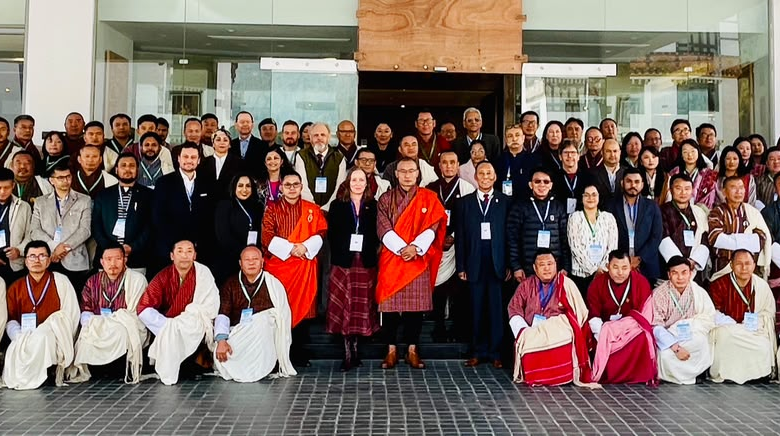
A three-day Conference on Advancing Innovation in Human- Wildlife Coexistence kicked off in Thimphu, the capital city of Bhutan. The purpose of the event is to advance innovation in human-wildlife conflict management to enable resilient human wildlife coexistence systems in shared landscapes.
The event themed “From Conflict Response to Resilient Systems in Shared Landscapes” concludes on November 18. The conference will bring forward key species such as elephants, tigers, snow leopards, and agriculture-impacting wildlife as lenses through which to understand coexistence systems.
These species illustrate different dimensions of human wildlife interaction, from landscape connectivity and infrastructure pressures to conservation success, livelihood impacts, and everyday coexistence challenges, according to the World Wildlife Fund (WWF). Nepal has also participated in the event.
WWF Nepal’s national representative Dr Ghana Shyam Gurung said event organized in the context of escalating human-wildlife conflict due to various factors such as the expansion of forest areas, infrastructure development, land-use changes, climate change, and population pressure.
The event is expected to specifically address the challenges posed by the increased movement of wildlife into human settlements and agricultural areas outside of protected zone and subsequent impacts threatening the livelihoods, food security, and safety of local communities. By bringing together policymakers, practitioners, researchers, communities, conservation organizations, and development partners, the conference aims to foster knowledge exchange, inspire innovation, and identify practical pathways for advancing resilient human–wildlife coexistence in Bhutan while exploring opportunities for regional collaboration on shared coexistence challenges, it is said.
Dr Gurung added that the first day of the conference co-hosted by WWF Bhutan began with a discussion on the ecological, social, institutional, and landscape-level complexities and challenges surrounding human-wildlife coexistence. Similarly, participants will also explore and share experiences regarding why traditional conflict management measures have proven insufficient.
Furthermore, the conference will explore innovative approaches to promote human-wildlife coexistence through community participation, scientific research, technology, adaptive management, sustainable financial resources, and landscape-level planning. Discussions will also be held for developing a shared action plan, strengthening institutional collaboration, establishing effective monitoring systems, and securing long-term financial support to promote human-wildlife co-existence in Bhutan and the wider Eastern Himalayan region. (RSS)



Comments