
Government Tightens Meat Safety Standards
Sabika Shrestha/Kamala Aryal
Nepal government has designated 227 meat inspectors and is mapping slaughterhouses, slaughter sites and meat shops ahead of implementing the Animal Slaughterhouse and Meat Inspection Act.
The Act is scheduled to take effect in Kathmandu Valley from November 17, 2026. It will then be implemented across municipalities and sub-metropolitan cities from January 15, 2027, and nationwide from July 17, 2027.
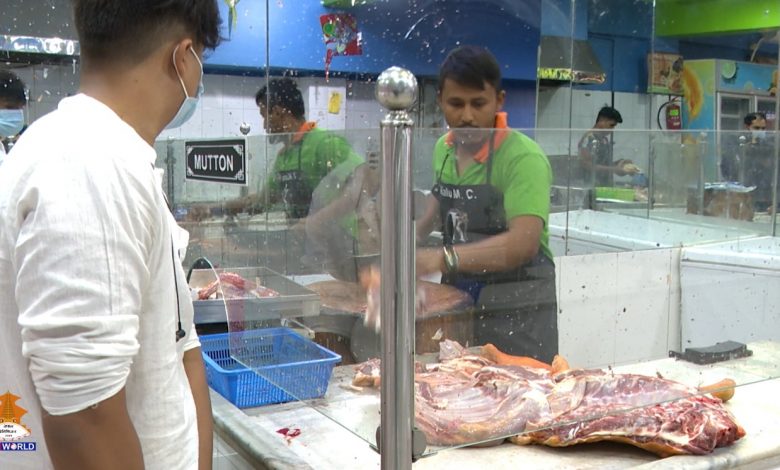
There are around 2,900 meat businesses across the Kathmandu Valley. Many still slaughter animals using traditional methods, raising concerns over sanitation, food safety and meat quality.
Meat traders say they support implementation of the Act but warn that the lack of sufficient modern and properly managed slaughterhouses could make enforcement difficult.
Kathmandu Metropolitan City is preparing to bring meat businesses under required standards. It is currently inspecting meat shops through 10 meat inspectors, while mapping of 1,300 meat shops has already been completed.
The government has designated 53 meat inspectors for the Kathmandu Valley. The metropolis says work is underway to require licenses for meat sales and distribution improve slaughterhouse management and enforce sanitation and other standards.
DR. Awadesh Jha, head of Agriculture and Livestock Department of Kathmandu Metropolitan City saysthe government has held discussions with 21 local governments across the three districts of Kathmandu Valley, as well as meat traders, on implementing the Act.
It has also designated 227 meat inspectors, while work is underway to collect details and map slaughterhouses, slaughter sites and meat shops. The Ministry of Agriculture, Forests and Environment claimed the locations of slaughterhouses will be finalized within a few days.
The Act seeks to regulate the process from animal slaughter to the sale and distribution of meat, ensure meat quality, protect public health and control the cruel treatment of animals.




Comments