
Geocultural Heritage Unveils Ethnobotany Project
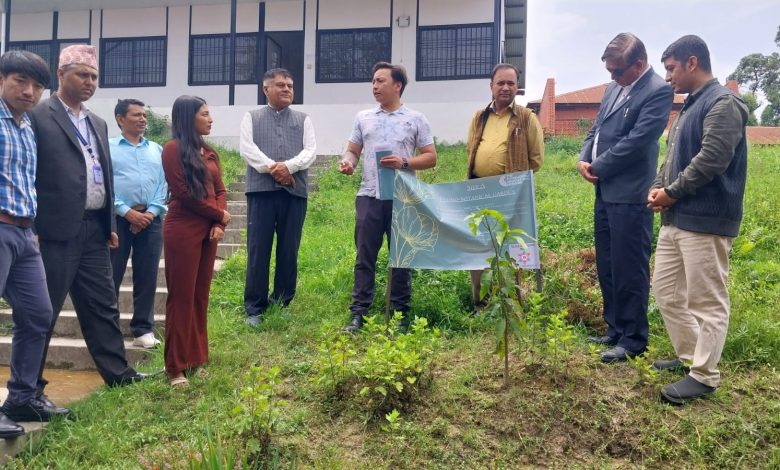
In celebration of World Environment Day 2026, The Foundation for Geocultural Heritage (TFGH) officially launched its ambitious Ethnobotany Project, a pioneering initiative aimed at documenting, preserving, and promoting traditional knowledge of medicinal and culturally significant plants through the construction of four ethnobotanical garden areas.
The launch coincides with this year’s global observance of World Environment Day, which focuses on climate action and strengthening humanity’s relationship with nature.
The Foundations Ethnobotany Project seeks to build four botanical installations of varying sizes within the premises of Tribhuvan university in the Central Department of Psychology.
These sites are proposed to be Two ethnobotanical gardens, one garden shrine and one Mini Ethnobotanical Knowledge Park .
The project will involve collaboration with the university local communities, researchers, educators, and environmental advocates across Nepal.
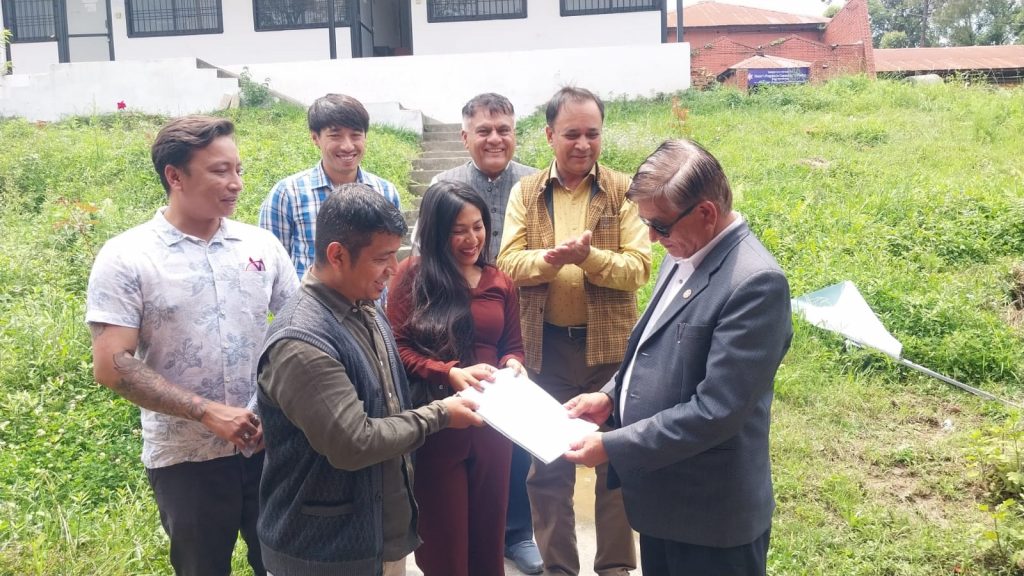
Inaugurating ceremony, Prof. Dr. Akkal Dev Mishra, Principal of Tribhuvan University emphasized that small initiatives create a huge difference. “Environment conservation should be started from one’s own premises to set an example rather than the PPT presentation inside big auditorium”, says Prof. Dr. Mishra.
Similarly, Sanjesh Shrestha, Head of Department at the Central Department of Psychology, highlighted how are they trying to connect students from psychology to nature, culture and environment.
Ashween Lama, chairman of the Foundation emphasized the vital role that indigenous and local knowledge systems play in biodiversity conservation and climate resilience.
The participants included environmentalists, researchers, students, and representatives from the Tribhuvan university.
Dr. Shubhechchha Shrestha, the secretary for the foundation, concluded the event by highlighting the need for inter organizational cooperation between government institutions, private stakeholders, research organizations and climate action groups to produce meaningful and lasting change.
Dr. Prakat Karki, the foundation’s lead on psychology and research emphasised the growing need for Indigenous psychology within the sphere of knowledge production, by highlighting the lack of indigenous psychological knowledge within mainstream academia.



Comments