
13 Tourists Die of Altitude Sickness in Mustang This Fiscal Year
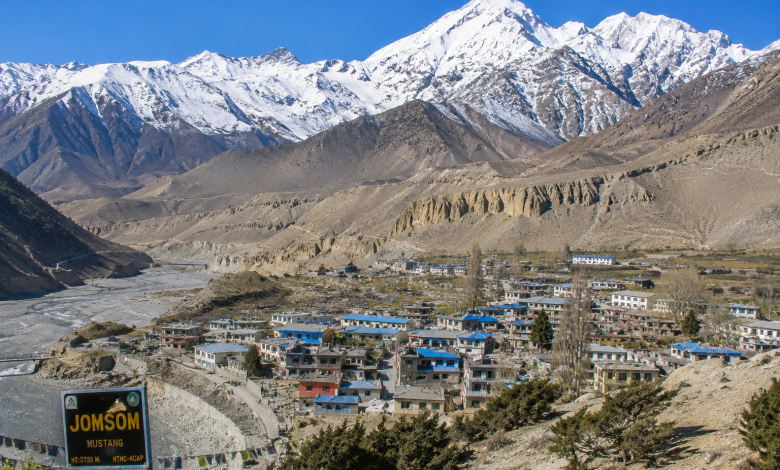
Thirteen tourists, including nine foreign nationals, have died from altitude sickness in Mustang district as of 29 May of the current fiscal year, according to the District Police Office, Mustang.
Police Inspector Santosh Basyaal said the deaths occurred over the past ten and a half months, mainly among pilgrims visiting the high-altitude religious site of Muktinath.
Among the deceased were four Nepali tourists, three men and one woman and nine foreign tourists, including seven men and two women.
All victims reportedly developed altitude-related complications in the high-altitude areas of Baragung Muktichhetra and Gharapjhong rural municipalities and died while undergoing treatment at the Provincial Hospital in Jomsom.
Police data show that Indian tourists are among those most affected by altitude sickness in Mustang.
Authorities say many visitors travelling directly from lower-altitude plains to the Himalayan district fail to take adequate health precautions, increasing the risk of acute mountain sickness.
Officials stated that the oxygen level drops significantly in areas above 3,000 metres above sea level, making tourists vulnerable to altitude-related health problems.
Concerned agencies, including the Provincial Public Health Office, Annapurna Conservation Area Project (ACAP), Muktinath Development Committee, local governments and security bodies, have been conducting awareness programmes to reduce such incidents.
Awareness signboards about altitude sickness have been installed at Ghansa in Thasang Rural Municipality-4 along the Beni–Jomsom road section, a national pride project.
ACAP Chief Rajesh Gupta said additional boards have also been placed at major tourist points from Ghansa to Muktinath this year.
Senior Public Health Officer Bidya Tamang said brochures and informational materials related to high-altitude health risks are also being distributed to tourists.
To minimise health risks, all hotels in Muktichhetra have been equipped with portable oxygen cylinders and medicines used to prevent altitude sickness, according to Suraj Gurung, Chairperson of the Muktinath Hotel Association.
However, local stakeholders say the problem persists because many travel agencies and hotels fail to properly brief tourists about altitude-related risks.
Health workers also noted that some tour operators transport visitors directly to high-altitude destinations without allowing time for acclimatisation.
Health Coordinator Khagendra Bohora of Baragung Muktichhetra said an “Altitude Treatment Centre” has been set up at the Muktinath Temple area in coordination with the Provincial Hospital, Jomsom. Services are being provided from two locations, inside the temple premises and at a rest area built by the Nepali Army along the stairway leading to the temple.
Elderly people, persons with disabilities, physically weak individuals and those with chronic illnesses are considered particularly vulnerable to altitude sickness while travelling from lowland areas to high Himalayan regions, health officials said.

Comments