
New DNA Test May Help Breast Cancer Patients Avoid Chemotherapy
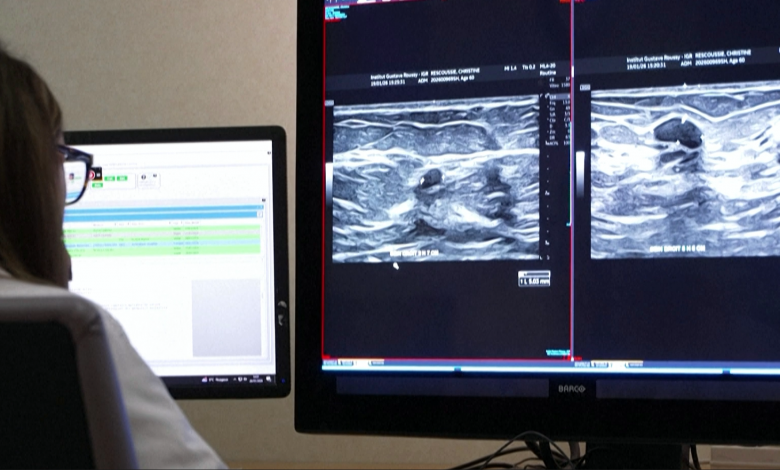
Scientists have developed a DNA-based test that could help millions of breast cancer patients safely avoid chemotherapy by identifying those unlikely to benefit from the treatment.
The findings come from an international study led by University College London involving more than 4,000 newly diagnosed breast cancer patients aged over 40 across the UK, Norway, Sweden, Australia, New Zealand and Thailand.
Researchers used a gene test called Prosigna to measure the activity of 50 genes linked to breast cancer growth and assess the likelihood of the disease returning.
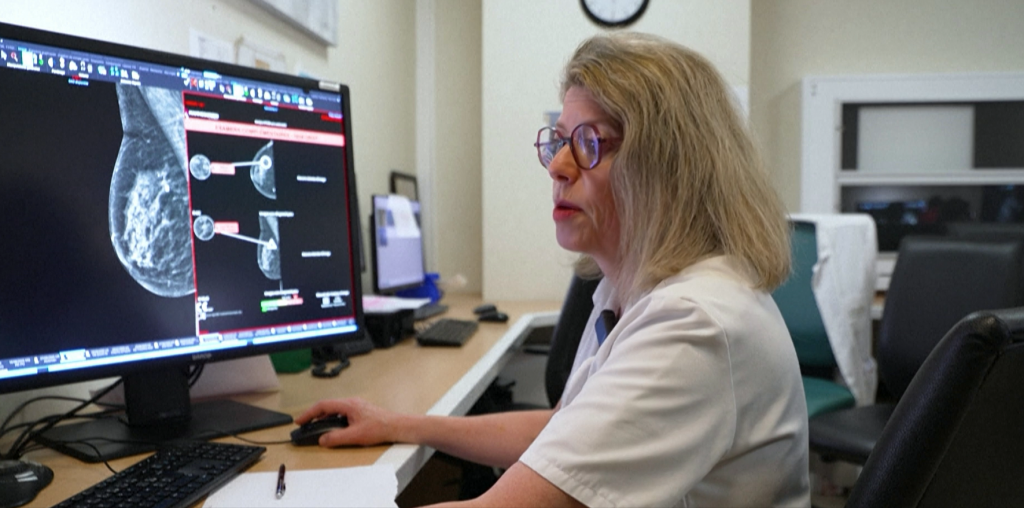
Patients who received low-risk scores, accounting for more than two-thirds of participants, were treated with hormone therapy alone instead of chemotherapy.
According to the study, the five-year survival rate among patients who did not receive chemotherapy was 93.7 percent, compared to 94.9 percent among those who underwent chemotherapy as part of their treatment.
Scientists said the results suggest many patients with certain forms of breast cancer could safely avoid chemotherapy and its severe side effects, which often include fatigue, nausea, hair loss, weakened immunity and fertility complications.
Breast cancer treatment usually begins with surgery to remove tumors, while chemotherapy is commonly recommended afterward to reduce the risk of recurrence, particularly in early-stage cases where cancer has spread to nearby lymph nodes.
Researchers believe the test could significantly reduce unnecessary chemotherapy treatments while improving quality of life for patients. Agency




Comments