
Experts Call for Greater Awareness and Better Care for Parkinson’s Patients
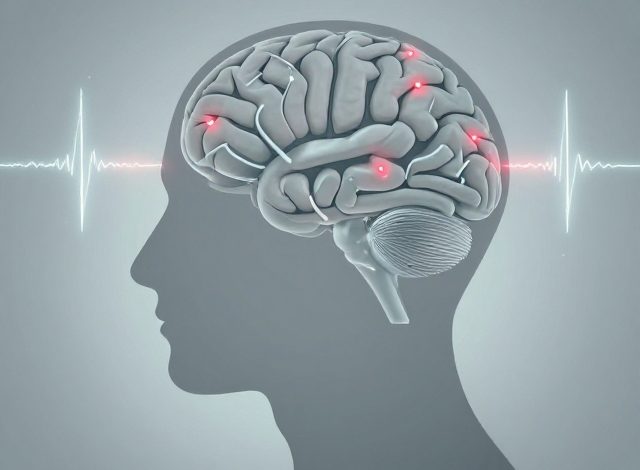
Experts have called for greater public awareness of Parkinson’s disease and better access to treatment and care as the number of people affected by the disease continues to rise in Nepal. They stressed the need for early diagnosis, proper treatment, rehabilitation and long-term care. They also highlighted the importance of cooperation among patients, their families and health professionals in managing the disease.
Speaking at a programme organized in Kathmandu today, experts said that patients need support from different health professionals to manage the disease and improve their quality of life. The programme was jointly organized by the Centre for Research Policy and Implementation, Biratnagar, and the Department of Neurology at Tribhuvan University Teaching Hospital, with support from the International Parkinson and Movement Disorder Society.
Speaking at the programme, Professor Dr Gopal Sedhai, Deputy Director of Tribhuvan University Teaching Hospital, called for a joint platform involving different medical specialists to improve public awareness, treatment and care for Parkinson’s patients in Nepal. He also stressed the need to make hospital services, including outpatient and inpatient care, more accessible to patients.
Similarly, neurologist Dr Rajiv Ojha spoke about the growing number of Parkinson’s cases, the possible causes and risk factors, common symptoms and treatment options available in Nepal. According to the World Health Organization (WHO), more than 8.5 million people were living with Parkinson’s disease worldwide in 2019. The number of people affected by the disease had doubled over the previous 25 years.
In Nepal, an estimated 1,500 to 10,500 new cases are reported each year, according to the Health Science Report of the USA. The estimate is based on a population of around 30 million. The report also estimates that 50 to 60 people out of every 100,000 in Nepal are living with the disease. Likewise, Dr Man Kumar Tamang shared information about clinical trials for Parkinson’s treatment, while neurosurgeon Dr Amit Pradhanang discussed deep brain stimulation (DBS), a surgical procedure used to control symptoms in selected patients.
Geriatrician Dr Urja Bhattarai spoke about the challenges of treating Parkinson’s patients who also suffer from other health problems. She stressed the importance of regular physical activity and proper nutrition in managing the disease. During the discussion, activist Banita Khanal highlighted the difficulties patients face in getting medical appointments and essential medicines.
She said some medicines needed for Parkinson’s treatment were still unavailable in Nepal and urged the government to ensure their supply. Participants also called on the government to increase the existing financial assistance of Rs 100,000 for caregivers, saying the amount was not enough to meet the long-term care needs of patients. They also urged the government to provide more subsidies for deep brain stimulation surgery, as its high cost makes the treatment unaffordable for many patients.
Parkinson’s disease is a condition that affects the brain and gradually makes it harder for people to control their movements. Common symptoms include shaking, stiff muscles, slow movement and difficulty maintaining balance. Although there is no cure for the disease, medicines, physical exercise, rehabilitation, and in some cases, surgery can help control symptoms and improve patients’ quality of life. (RSS)




Comments