
Nepal’s Tourism Sees Slowdown Owing to Conflict in West Asia
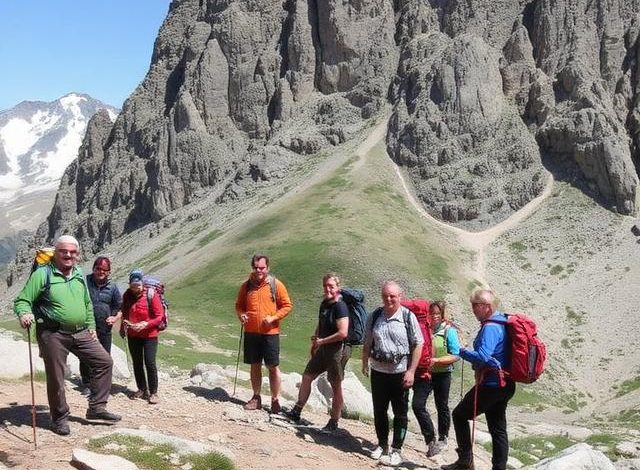
Tourism, a vital pillar of national economy in Nepal, is witnessing a slowdown owing to geopolitical crisis in West Asia.
The ongoing conflict between US-Israel and Iran has badly dented Nepal’s tourism, causing server concern and worry among businesspersons and tourism entrepreneurs. The tourists willing to visit Nepal from West Asia have postponed their travel.
Such trend in tourism has dismayed tourism entrepreneurs in Nepal. Importantly, even the transit of UAE, Qatar and Turkey received adverse impact of the conflict, resulting in reduced number of foreigners visiting Nepal, according to CN Pandey, former chairman of Nepal Association of Tours and Travels Agents (NATTA).
The West Asia conflict and its adverse impact on the one hand and ratcheted up price of air fuel on the other are sheer hindrances to travelling Nepal. The transits full of hassles is equally concerning, he added.
The exorbitant air fare is caused by excessive hike of fuel price, thereby discouraging the foreign visits.
Compared to March 2025, the number of tourists’ footfall in Nepal recorded slight decline in March 2026- from 121,687 to 120,516.
The tourism sector which suffered due to the 2015 Earthquake, border blockade and COVID-19 is now facing another bout of adversity, largely triggered by crisis in West Asia.
Junu Maleku, the head of Cathay Pacific Airways, said that passengers are facing major problems as airfares increase with the rise in fuel prices. Cathay Pacific Airways has been operating flights from Nepal to Hong Kong seven days a week.
“Before the conflict in West Asia began, the fare from Nepal to Hong Kong and back, which ranged from 80,000 to 85,000, has reached 105,000 due to the rise in fuel prices after the conflict. As a result, except for those who need to travel, others have cancelled their tickets,” she said.
Kumar Mani Thapaliya, a board member of the Nepal Tourism Board, stated that the increase in aviation fuel prices has had a direct impact on Nepal’s tourism sector.
Although the conflict in West Asia has recently calmed down, he said that the increase in airfares has led to a decrease in tourists entering Nepal.
Thapaliya said there is increased concern over whether the impact will last long due to rising aviation fuel and airfares.
Some passengers have been forced to choose other destinations because certain airlines have changed flight routes and increased ticket fares.
The lack of direct air connectivity from Europe and America has added uncertainty for tourists coming to Nepal. As a result, hotel bookings, trekking packages, and adventure tourism activities have been directly affected.
Mahesh Phuyal, General Manager of the four-star Hotel Ramada Encore Kathmandu operating in Thamel, said that due to the conflict in West Asia, hotel bookings were being cancelled rapidly at the peak tourist season, putting hoteliers in a difficult situation.
“On one hand, due to the increase in fuel prices, airfares have become expensive, and on the other hand, due to the ‘tension’ in the transit area, tourists who were supposed to come in high ‘ratio’ have not been able to travel to Nepal,” he added.
Phuyal said that due to the conflict in West Asia, the increase in the prices of fuel and other materials has caused additional problems in running hotels.
“If tensions persist in the Middle East for a long time, it could add further challenges to the revival of tourism in Nepal, as March, April, and May are considered Nepal’s main tourist season,” he said.
The tourist season has started now. In Thamel, Nepal’s main tourist destination, fewer tourists have arrived this year compared to last year.
Vice President of the Thamel Tourism Development Council, Sahadev (Bimal) Dhamala, said that the number of tourists coming to Thamel has decreased this year compared to last year.
Dhamala, who also runs the Kathmandu Eco Hotel in Thamel, said that during the tourist season, the hotel only has 50 to 60 percent occupancy. Even in the streets of Thamel, fewer tourists have been seen this year compared to last year.


Comments