
Nepal calls for grant-based climate finance, cites disaster toll at COP31
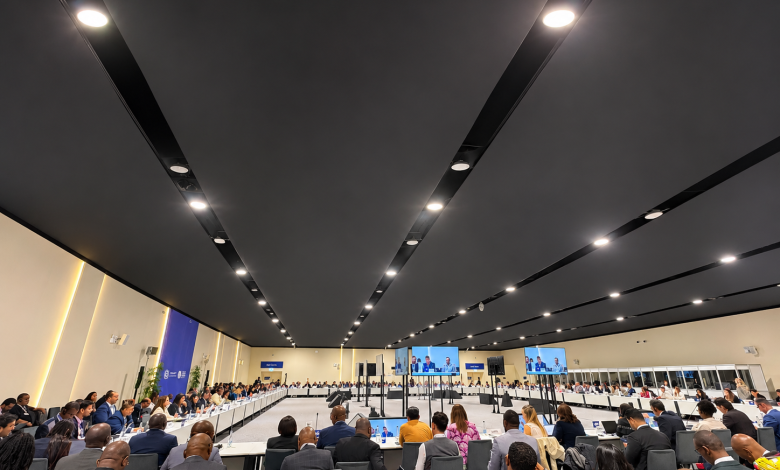
Foreign Minister Shisir Khanal has called for predictable, accessible and grant-based international climate finance, saying vulnerable countries cannot afford further delays in adapting to climate change.
Addressing a high-level dialogue on adaptation at the UN Climate Change Conference (COP31) in Antalya, Türkiye, on behalf of the Least Developed Countries (LDC) Group, Khanal said climate adaptation was a matter of survival and climate justice for countries facing the worst impacts despite contributing the least to global emissions.
Citing the climate-induced mountain collapse and subsequent Bhotekoshi floods in Nepal, he said more than 1,460 people had lost their lives and over 5,000 remained missing. He said the disaster had demonstrated the growing risks facing vulnerable communities.
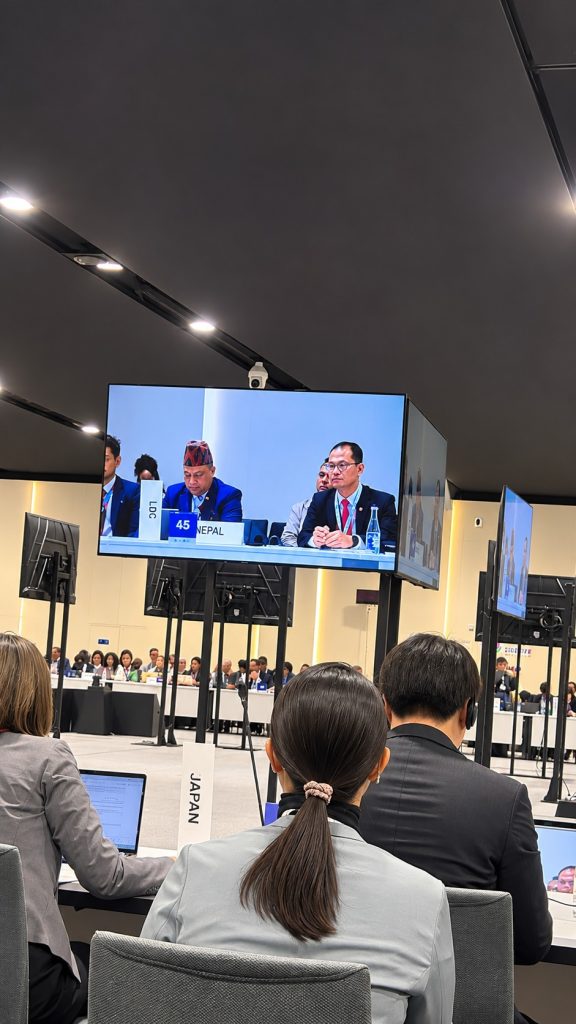
Khanal said Nepal’s National Adaptation Plan (NAP) has identified 64 priority programmes extending to 2050, requiring an estimated USD 47 billion in funding. He stressed that national efforts needed to be matched by international climate finance and support.
He outlined three priorities for COP31: scaling up adaptation finance, accelerating implementation of the global climate resilience framework, and strengthening locally led adaptation.
On climate finance, Khanal called for a clear pathway to deliver the commitment made at COP30 in Belém to triple adaptation finance by 2035. He stressed that funding should be grant-based and should not add to the debt burden of developing countries.
He also called for implementation of the UAE Framework for Global Climate Resilience and the Belém Adaptation Indicators, saying their objectives should translate into tangible action on the ground.
Highlighting Nepal’s experience with the Local Adaptation Plans of Action (LAPA), Khanal said local communities should have a meaningful role in determining adaptation priorities and investments. He called for stronger local institutions, predictable long-term financing and fewer barriers to accessing climate funds.
He urged COP31 to move adaptation efforts from planning to implementation, with greater support for country-led initiatives and locally owned solutions.




Comments