
Mosquito-Borne Diseases on the Rise in Nepal as Dengue, Malaria Risks Grow
Pramila Bhandari/Sabika Shrestha
Mosquitoes are common insects; that can cause serious health problems in humans. World Mosquito Day is observed every year on August 20 to raise public awareness about mosquito-borne diseases and ways to prevent them.
Although mosquito bites are often taken lightly, the diseases they transmit can cause serious health complications. In Nepal, mosquito bites can spread diseases such as dengue, malaria, and Japanese encephalitis. In recent years, mosquitoes have spread to different parts of the country, making mosquito control an increasingly difficult challenge.
Various efforts are being carried out from the local to the federal level to control mosquitoes. These include preventing water from stagnating, destroying mosquito breeding sites, strengthening disease surveillance, and using insecticides when necessary. However, changing environmental conditions, urbanization, population movement, and the expanding geographical range of mosquitoes continue to make mosquito control challenging.
“Mosquito-borne diseases, which in the past were mostly confined to the Terai districts, have now started spreading to the hills and mountainous regions as well. Mosquito-borne diseases have now spread to almost all districts of Nepal except Mustang. In 2022, dengue reached epidemic proportions in Nepal. Today, dengue has become an established disease in Nepal, meaning it continues to occur locally.
Similarly, the first outbreak of Japanese encephalitis in Nepal began in Rupandehi in 1978. Malaria has also been a long-standing mosquito-borne disease in Nepal, particularly in the Terai and lower-altitude regions. Temperature, rainfall, humidity, and favorable environmental conditions for mosquitoes are increasing the risk of such diseases.”
“Globally, more than one million people die every year from diseases transmitted through mosquito bites. Similarly, around 700 million people are infected with mosquito-borne diseases each year.”
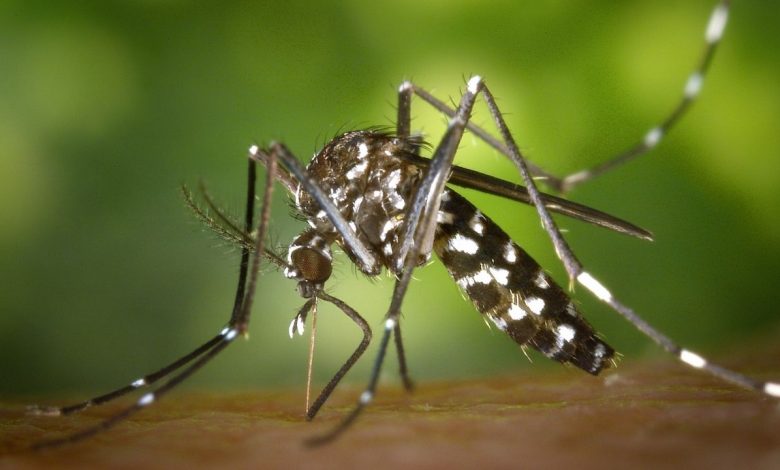
In Nepal, dengue has emerged as a major public health challenge in recent years. The Aedes Aegypti mosquito, which transmits dengue, usually bites during the daytime. It can breed in stagnant water collected around homes, offices, and public places.
People infected with dengue may develop symptoms such as high fever, headache, pain behind the eyes, muscle and joint pain, nausea, and skin rashes. In severe cases, the disease can cause bleeding and other complications.
The most effective way to control mosquitoes is to destroy their breeding sites. People should prevent water from accumulating around their homes, remove stagnant water from flowerpot trays, old tires, bottles, and open containers, and keep water-storage containers properly covered.
Similarly, mosquito nets can be used to prevent mosquito bites, along with wearing clothes that cover the body and using mosquito repellents when necessary.




Comments