
World Breastfeeding Week Begins
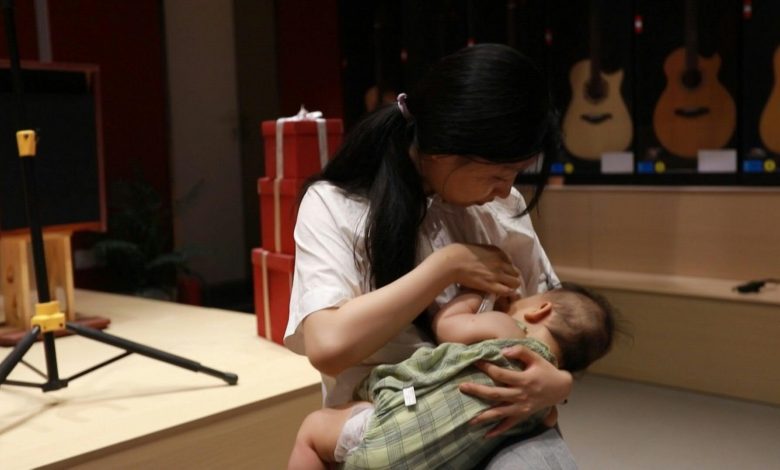
The World Breastfeeding Week, observed every year during the first week of August, has begun from today.
This year, Breastfeeding Week is being celebrated with the slogan ‘Breastfeeding for a Sustainable Start in Life: Strengthen What Works’.
The campaign emphasizes the need to continuously support effective breastfeeding practices through the health system, community, workplace, and government policies for both mothers and newborns.
The Week is being emphatically marked across the globe with support from the World Health Organization (WHO), United Nations Children’s Fund (UNICEF), health ministries of various countries, and civil society organizations.
In several countries around the world, many mothers and families still do not have access to essential health services, counseling, and support that make breastfeeding easier, the WHO stated. Benefits of breastfeeding Breastfeeding is one of the simplest and most effective ways to protect a baby’s health.
It provides the baby with necessary nutrition, boosts immunity, protects against serious illnesses, and plays a significant role in brain development.
WHO has also pointed out that breastfeeding provides important benefits for the mother’s health as well.
Regular breastfeeding helps reduce the risk of non-communicable diseases like breast and ovarian cancer and type 2 diabetes.
Improving rates Globally, breastfeeding rates have been improving.
The rate of exclusive breastfeeding from birth to six months was around 37 percent in 2012 and has now risen to over 47 percent.
Similarly, the proportion of children breastfed up to two years has increased from 38 percent to 50 percent over the past five years.
These achievements show that investments in policies and programs targeting mothers and families have been effective, according to WHO and UNICEF.
Promotional measures of breastfeeding .
The most effective and cost-efficient ways to promote breastfeeding include skilled breastfeeding counseling through health facilities, community-based counseling services, paid maternity leave, breastfeeding-friendly workplaces, and effective control over the uncontrolled promotion of commercial milk as a substitute for mother’s milk.
Expanding such programmes could save around 400,000 children and 140,000 mothers every year, WHO estimates.
Every one US dollar invested in breastfeeding promotion is estimated to yield about 59 US dollars in economic returns through reduced healthcare costs, improved child cognitive development, educational attainment, and future earnings.
On the occasion of this year’s week, WHO and UNICEF have urged all countries to expand quality breastfeeding services for mothers and newborns, strengthen community-based counseling programs, effectively implement the international code on products used as substitutes for mother’s milk, ensure paid maternity leave and breastfeeding-friendly workplaces, and integrate breastfeeding promotion with pregnancy, childbirth, and postnatal health services.
WHO also recalled that in 2018, the World Health Assembly approved World Breastfeeding Week as an important strategy for health promotion, noting that a shared commitment from governments, health institutions, employers, communities, and families is needed to create an environment where every child gets the best start in life and every mother receives the necessary support and services. (RSS)



Comments