
Kaski’s Lwang Village Emerging as New Tourism Destination
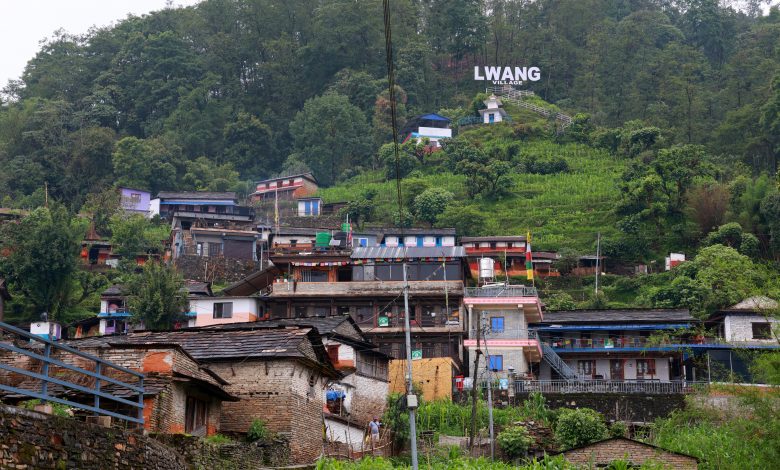
Spread across the hillsides, lush green tea gardens stretch as far as the eye can see. Beyond them, the snow-capped peaks of Annapurna and Machhapuchhre rise majestically against the sky. Traditional Gurung homes dot the landscape and a peaceful rural life unfold beneath the mountains.
Welcome to Lwang village in Kaski district! In recent years, Lwang’s sprawling tea gardens have become more than just a defining feature of the village. They have emerged as the driving force behind the village’s growing tourism industry, drawing travellers seeking both natural beauty and authentic cultural experiences.
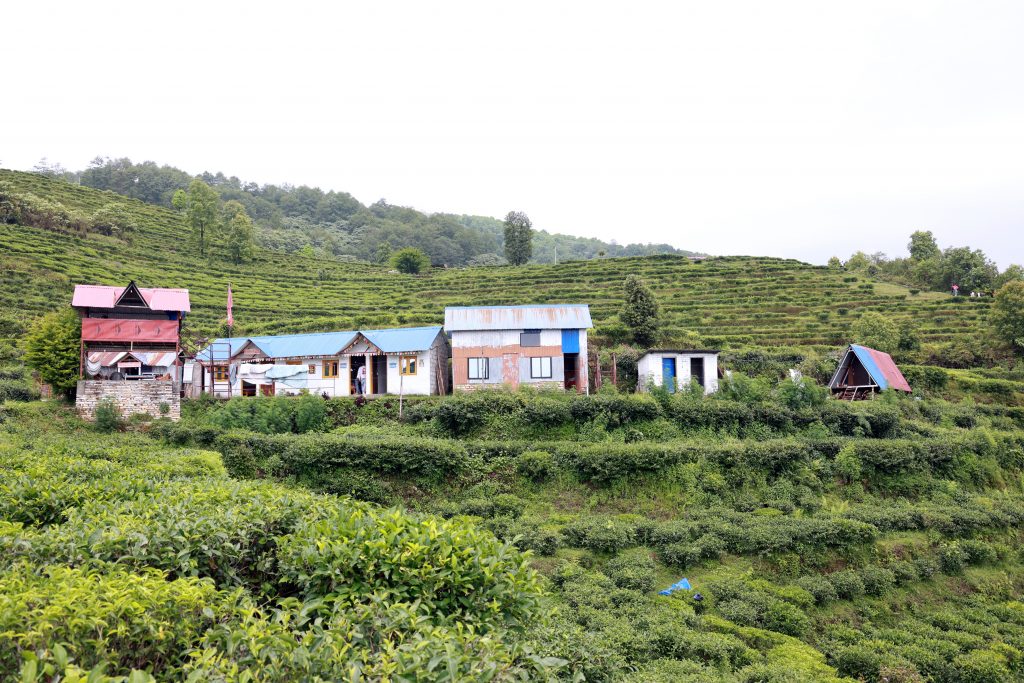
Situated in Pokhara Metropolitan City-25, Lwang can be reached by road via Hemja via Khanepani, Bhedabari and Kholamukh. For many trekking enthusiasts, however, the journey itself is part of the adventure.
A scenic four-hour hike along the Mardi River, passing through verdant forests and rugged hillsides, offers visitors an unforgettable introduction to this tranquil village. The first thing that captures both the attention and imagination of the visitors in this village is the expansive tea plantation covering nearly 1,200 ropani of land on the upper slopes of the village.
Walking through rows of vibrant tea bushes while gazing at the majestic Himalayan peaks creates a sense of tranquility that encourages travelers to slow down and fully soak up the beauty around them.
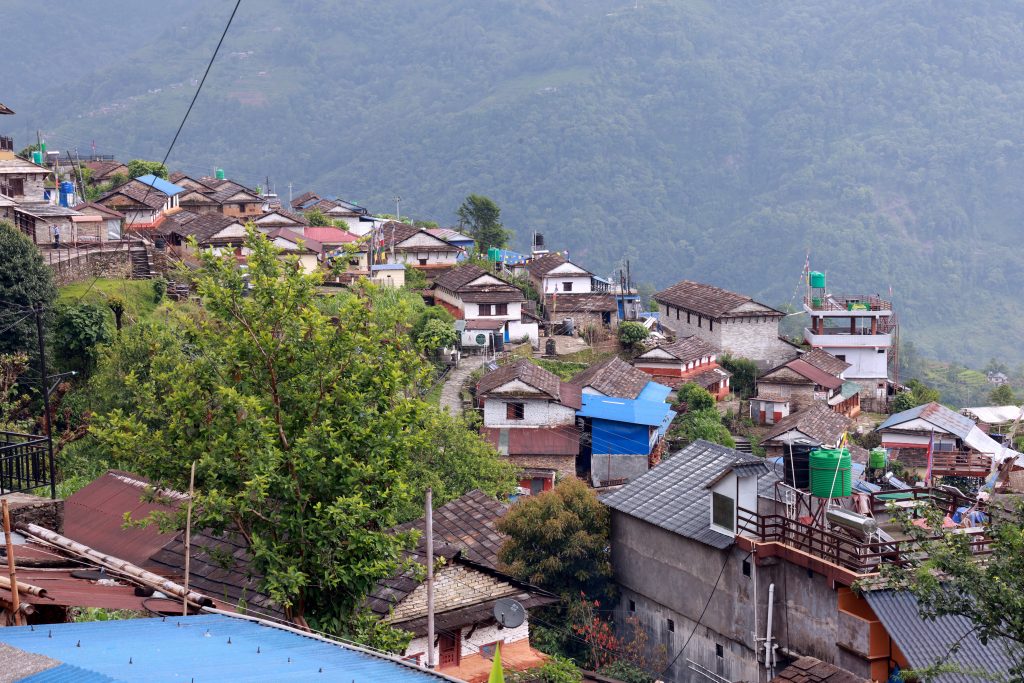
Local residents often hear visitors compare Lwang’s tea gardens to those of Ilam, country’s famous tea-producing region in the east. Yet, Lwang possesses a charm entirely of its own. Here, visitors can enjoy panoramic views of both the tea fields and the majestic Annapurna and Machhapuchhre and other towering peaks that stand in the Annapurna massif (mountain range)at the same time.
This rare combination of tea landscape and the Himalayan mountains scenery sets the village apart from many other rural tourism destinations. The tea grown in Lwang is exported to international markets, providing local communities with valuable income and employment opportunities, shared local tourism entrepreneurs.
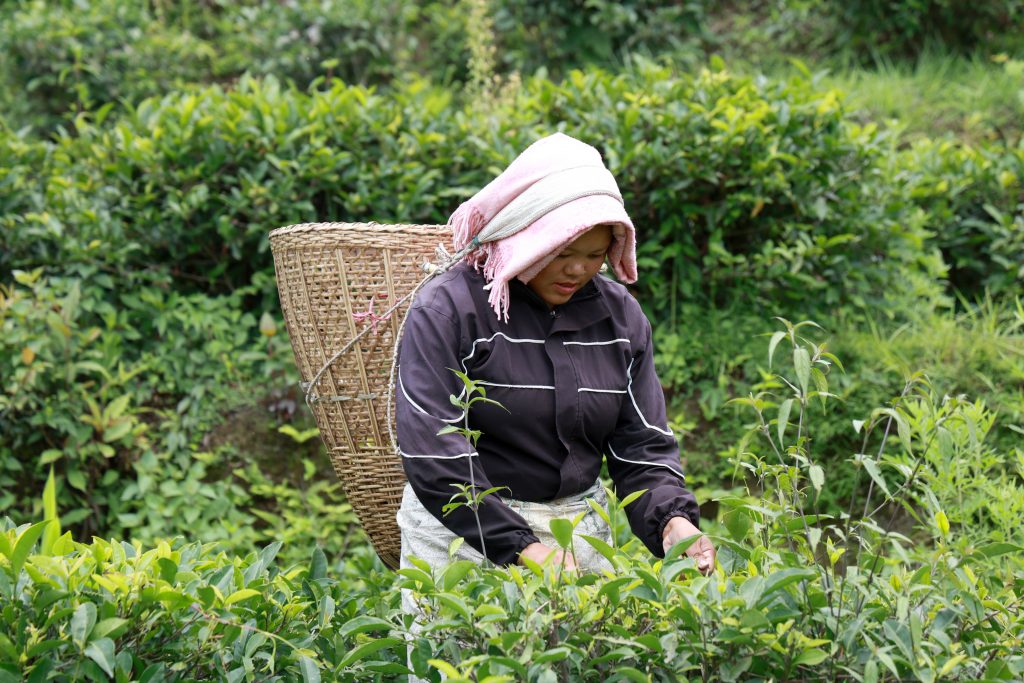
At the same time, the tea gardens themselves have become a major attraction for travelers. Local residents gush over the Lwang’s soaring popularity that has grown rapidly in recent years, especially as younger visitors share stunning photos and videos of the tea gardens and the village across social media platforms. Community-run homestay facilities have also played a crucial role in promoting village’s tourism success.
What began in 2067 BS with only seven households has grown into a network of 26 homes, according to Devraj Gurung, a homestay proprietor. Gurung shared that the homestay facilities here can accommodate around 400 guests overnight, and during peak tourist seasons, as many as 600 visitors can be hosted each day.
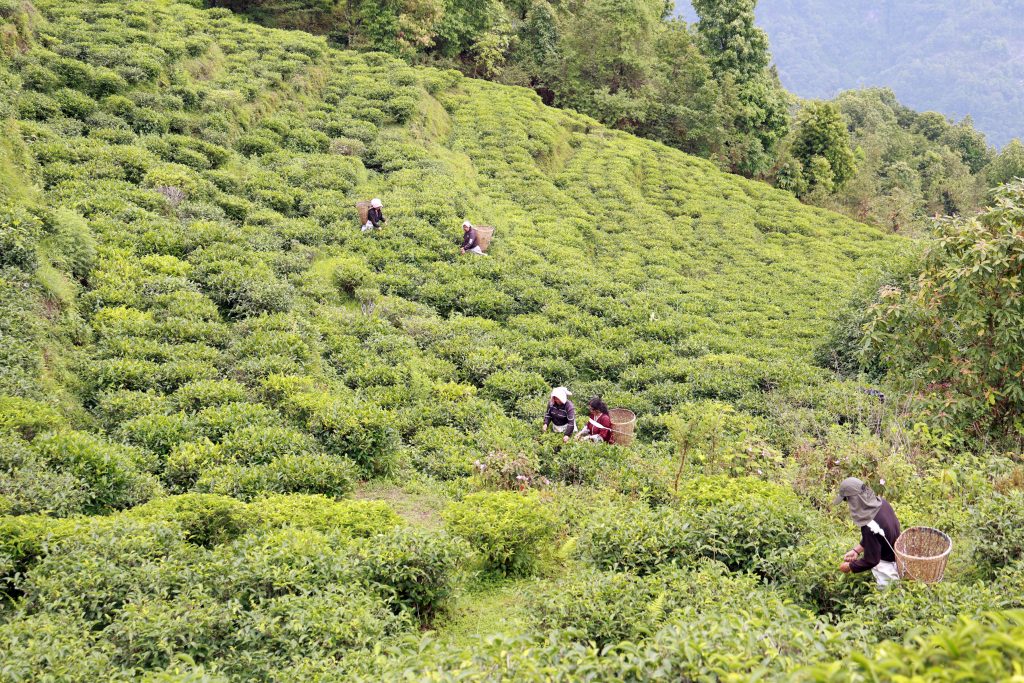
As its emerald tea gardens continue to flourish beneath the shadow of the Himalayas, Lwang is steadily carving out a place in the country’s tourism map. Here, breathtaking scenery, vibrant culture and community-based hospitality come together to create an experience that feels both authentic and unforgettable.
For those seeking a destination where verdant teagardens meet white mountains and peaceful village life, Lwang offers a journey worth taking. Lwang primarily attracts domestic tourists, particularly from nearby districts such as Kaski, Tanahun, Syangja, and Baglung. The village offers home-stay experiences that allow visitors to engage with local lifestyles, including farming practices and traditional cooking methods.
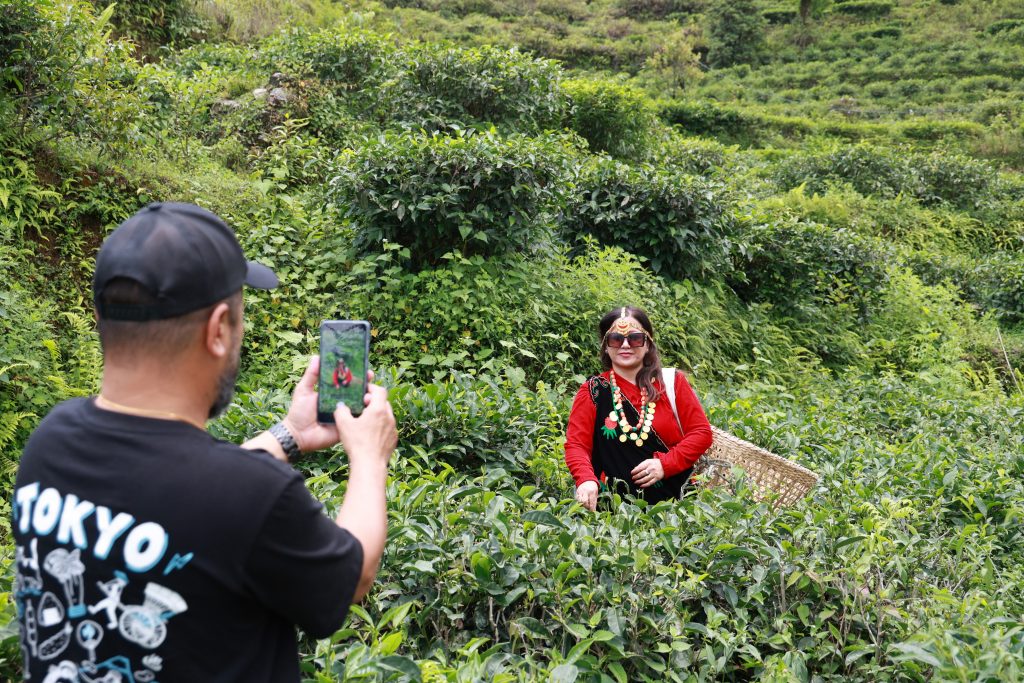
Tourists can enjoy dishes made from locally sourced ingredients like corn, millet, barley, wheat, and vegetables, providing an authentic taste of rural life. The natural beauty of Lwang has also made it a popular filming location for Nepali movies, such as ‘Prasad-2’ and ‘Dui Nambari,’ which have helped promote the village on a national scale.
This exposure has encouraged some young residents who previously sought employment abroad to return and invest in the tourism sector, fostering new job opportunities in homesteading, tea cultivation, and agriculture. Local residents believe that Lwang has the potential to establish itself as a prominent international rural tourism destination.
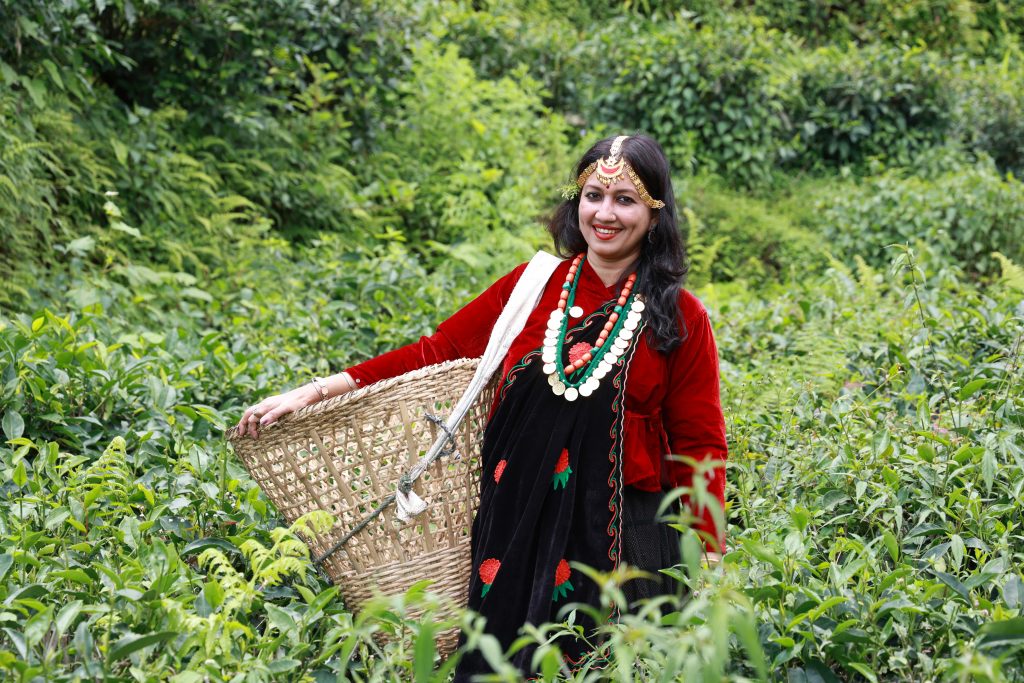
To achieve this, improvements in infrastructure, including quality roads, footpaths, drinking water, and accommodations, are essential. The combination of lush tea fields, stunning Himalayan views, the vibrant Gurung ethnic culture, and warm hospitality positions Lwang as a significant rural tourism hub in Gandaki province, appealing to those seeking a genuine connection with nature and the essence of rural Nepal. (RSS)



Comments