
Women Pastoralists from Around the World Gather in Kathmandu
Sabika Shrestha
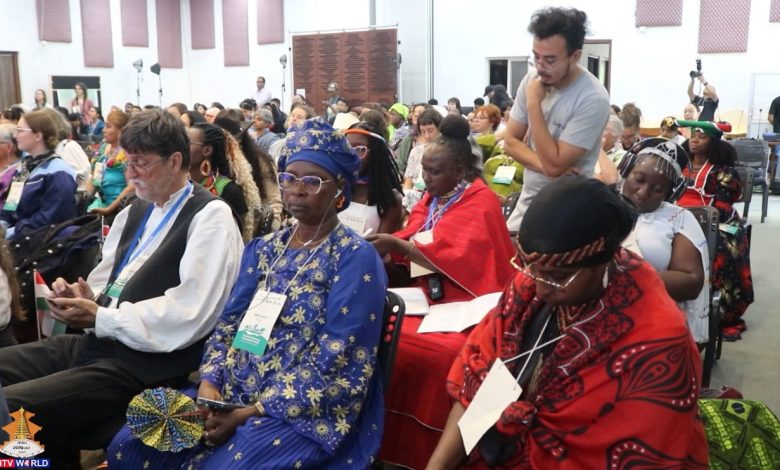
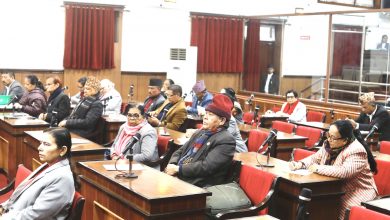
A global gathering of a different nature has started in Nepal’s capital Kathmandu bringing together pastoralist women and girls from around the world.
The unique gathering comes as an opportunity of sharing experience, culture and practices of the women who play key roles in caring for global rangelands and producing food and fiber from livestock.
Despite their immense contribution, they often lack secure land rights, suffer disproportionate impacts from climate change, and are excluded from key policy decisions.
International Centre for Integrated Mountain Development, ICIMOD, the local organizer, expects that the gathering will provide the much-needed support to their initiatives, strengthen solidarity and networks across regions.
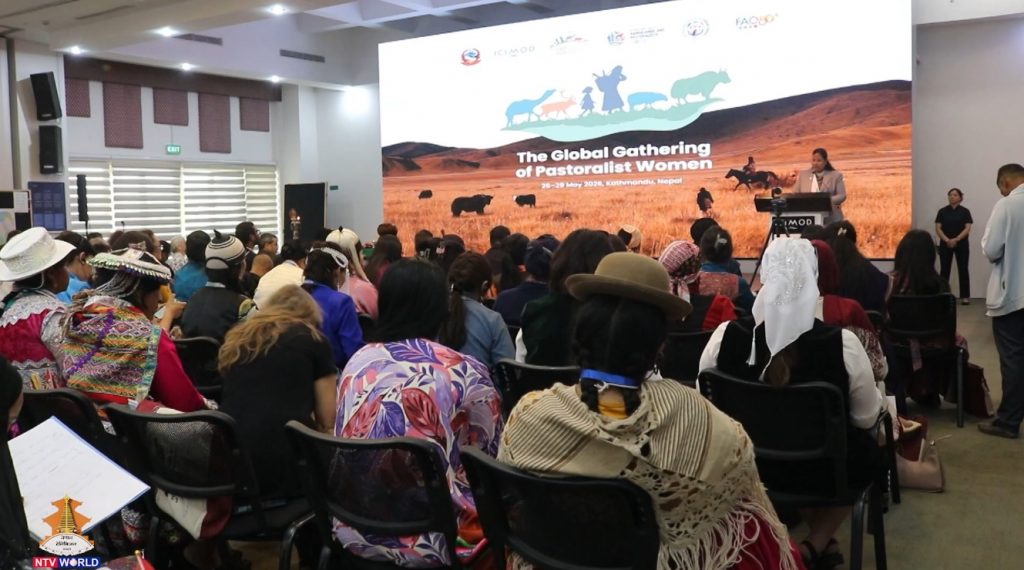
These women representing the entire world, from New Zealand down under to Mexico in South America bring their own diversity on the table during the four day gathering.
The forum is also expected to provide the women with the opportunity to identify shared priorities, and amplify pastoralist women’s voices in international discussions about rangelands and pastoralism.
The gathering marks one of the largest global assemblies focused specifically on pastoralist women, with participants representing diverse ecosystems from Himalayan highlands and African savannahs to Arctic tundra and Latin American rangelands.
Delegates are engaging in dialogues on climate resilience, land rights, Indigenous knowledge systems, and women’s leadership in pastoral economies.
To encourage the gathered women, minister for Agriculture, Forests and Environment Geeta Chaudhary was in attendance in the inaugural session. Minister Chaudhary said that events like these, by empowering women, also help them reconnect with their roots and understand the struggles, hardships, and success stories of pastoralist communities.
Through storytelling and dialogue, participants are exchanging insights on navigating challenges such as climate variability, resource scarcity, mobility restrictions, and social marginalization.
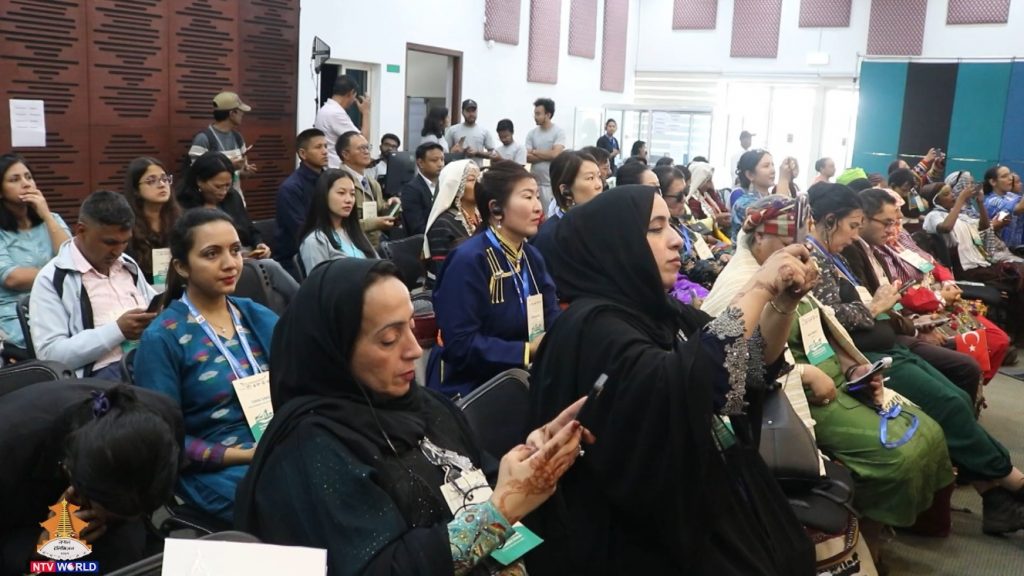
Organizers stress that these shared stories are not just personal accounts but valuable sources of knowledge.
The struggles of one pastoralist woman can offer lessons and inspiration to another, fostering a sense of solidarity and collective learning across borders.
The strong international participation reflects a growing recognition of pastoralism as a viable and sustainable livelihood system in the face of global environmental change.
The gathering is expected to culminate in a collective call to action, placing pastoralist women at the centre of global conversations on sustainability, climate adaptation, and food systems transformation while ensuring their voices, stories, and knowledge continue to guide future policies and practices.

Comments