
Sudurpaschim’s Inefficiency: Only 10% Budget Spent Half Way
Rojina Rai/Dinesh Bista
Six months have elapsed in the current fiscal year, but the Sudurpaschim Province government has only spent 10% of the total budget so far.
Not just the development expenditure, the regular expenses are alarmingly low in the province, with capital expenditure stuck below six percent.
Despite ambitious promises and a larger budget than last year, spending on the ground remains strikingly low.
By mid-year, the province has managed to spend only about ten percent of its total budget, a figure that raises serious questions about the effectiveness of provincial governance under Nepal’s federal system.
Only 3.66 billion NPR has been spent so far.
Funds meant for roads, irrigation canals, schools, and health facilities projects that directly affect people’s daily lives have not been touched.
With capital spending at just 5.8 percent, development work across the province has slowed in tortoise pace, leaving many projects stalled before they even begin.
This year, the Sudurpashchim Government announced a budget of over 33.46 billion NPR equivalent to 230 million 915 thousand USD, focused on key sectors such as infrastructure, education, health, and agriculture.
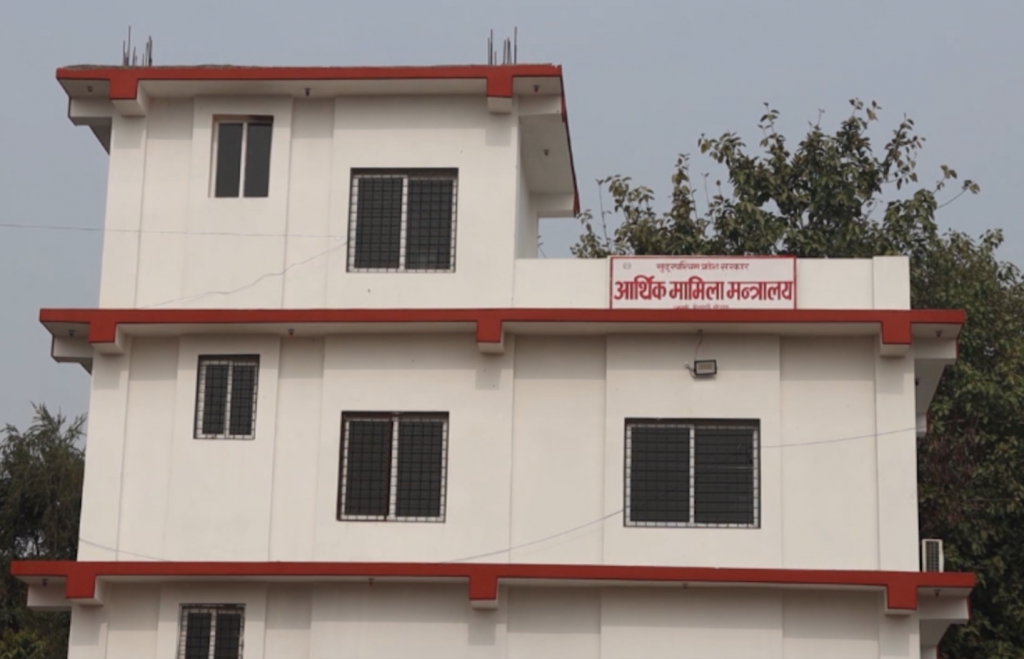
But the numbers tell a different story, compared to last year, and the decline is stark.
At this point in the previous fiscal year, nearly 22 percent of the budget had already been spent.
The most worrying sign lies in capital expenditure, while this year, the province has barely reached half that level.
Most of this went toward routine administrative expenses, while less than a fraction reached development projects.
Even ministries with the largest budgets physical infrastructure, social development, and agriculture have fallen short of their spending targets.
Officials say recent disruptions, including the GenZ movement, slowed administrative processes and delayed project implementation.
The slow pace of budget execution highlights a persistent gap between planning and implementation in Nepal’s provincial governments.
As time runs out, the risk grows that development spending will be rushed toward the end of the fiscal year a familiar pattern undermining both the quality of development and public trust in federal governance.



Comments