
Seismic Retrofitting, Long-term Cost-Effective Solution: Study
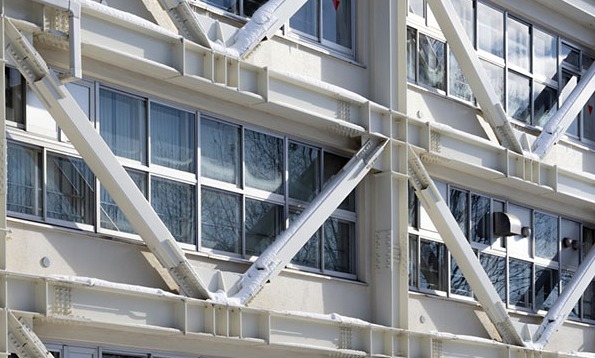
A recent study has found that seismic retrofitting of buildings is cost-effective in the long term and can significantly reduce economic losses in earthquake-prone countries like Nepal.
The research, conducted by engineer, Sarbesh Banjara, analyzed the economic aspects of retrofitting masonry buildings. Such structures, widely used in countries like Nepal, are considered highly vulnerable to earthquakes.
The study compared the upfront cost of strengthening buildings with the potential damage and economic losses that could occur during earthquakes. Findings indicate that although the initial investment may be relatively high, retrofitting reduces overall financial burden over time by minimizing damage.
According to the research, retrofitting not only improves structural safety but also contributes to long-term economic stability. It is expected to provide policymakers with a stronger economic basis for investing in safer infrastructure.
Experts note that while safer construction technologies are available, their adoption is often limited by financial feasibility. In this context, studies demonstrating the cost-effectiveness of retrofitting could help increase its practical implementation.
The findings are expected to guide efforts toward building safer and more resilient infrastructure in high-risk earthquake regions.




Comments