
RSP Enters Unity Pact with Ujyalo Nepal Party
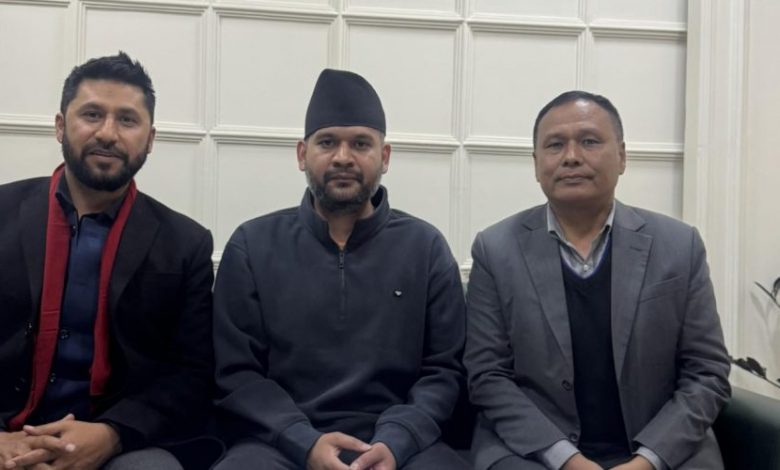
Nepal’s Rastriya Swatantra Party RSP has signed a tripartite unity agreement with the Ujyalo Nepal Party and Kathmandu Metropolitan City Mayor Balendra Shah, signaling a fresh attempt by alternative political forces to consolidate ahead of upcoming elections.
The agreement was signed by RSP chair Rabi Lamichhane and Ujyalo Nepal Party chair Anup Kumar Upadhyay, with Mayor Shah signing as a witness.
Ujyalo Nepal Party is led under the patronage of Energy Minister Kulman Ghising, a widely respected technocrat known for reforms in Nepal’s power sector.
Following the agreement, Lamichhane will remain the party’s central chair, while Ghising will serve as vice-chair.
RSP leaders Dol Prasad Aryal and Swarnim Wagle have also been named vice-chairs under the new leadership structure.
Mayor Shah, whom RSP has projected as a potential future prime ministerial candidate, confirmed the agreement by posting a photograph of the signing on Facebook.
According to the agreement, the unified force will retain the name Rastriya Swatantra Party and its election symbol, the bell.
The document states that the party will continue to advance its core agenda of democratic governance, social justice, and economic development, while inviting other reform-oriented political groups and individuals to join under the RSP banner.
The agreement commits the parties to a pluralist democratic system, an open but socially just economy, and what it describes as “zero tolerance” for corruption.
It also emphasizes delivery-based politics, meritocracy, and institutional reforms, with a stated goal of helping Nepal achieve middle-income country status within the next decade.
Leaders also pledged to integrate Ujyalo Nepal Party’s youth activists and policy experts into the party structure based on merit, inclusiveness, and public credibility.
The unity deal comes amid renewed political mobilization driven by youth-led and “Gen Z” movements protesting corruption, weak service delivery, and entrenched political elites.
Since the restoration of multiparty democracy in 1990, Nepal’s politics has largely been dominated by the Nepali Congress and major communist parties, while successive attempts to build durable alternative forces have struggled with internal divisions and limited reach.
RSP emerged as a major exception in the 2022 elections, surprising established parties with strong urban support and a reformist message.
Whether the new alliance can translate public frustration into sustained national influence remains uncertain.
But the agreement underscores a broader shift in Nepal’s political landscape, as alternative forces seek unity in an effort to challenge long-dominant parties and respond to growing demands for accountability and change.


Comments