
Popular Mayors’ Resignation Spree
Subekshya Rajak
The first-past-the-post race has already heated before the candidacy nomination for Nepal’s March 5 House of Representatives Election.
As per EC calendar, candidates wishing to contest the election from among the 165 constituencies shall register their nomination on Tuesday.
Some well-known, serving local level representatives, have put in their papers to elevate their career to the federal parliament.
Some of the key figures who had gained popularity as elected leaders at local levels are also bracing for the upcoming March 5 election.
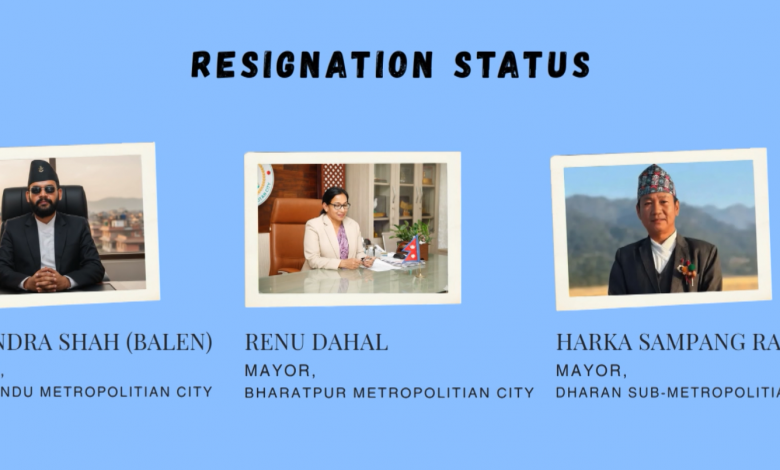
Some of the key individuals include, former independent and now Rastriya Swantra Party Kathmandu Metropolis Mayor Balendra Sah, Bharatpur metropolis mayor Renu Dahal and Dharan sub-metropolis mayor Harka Sampang.
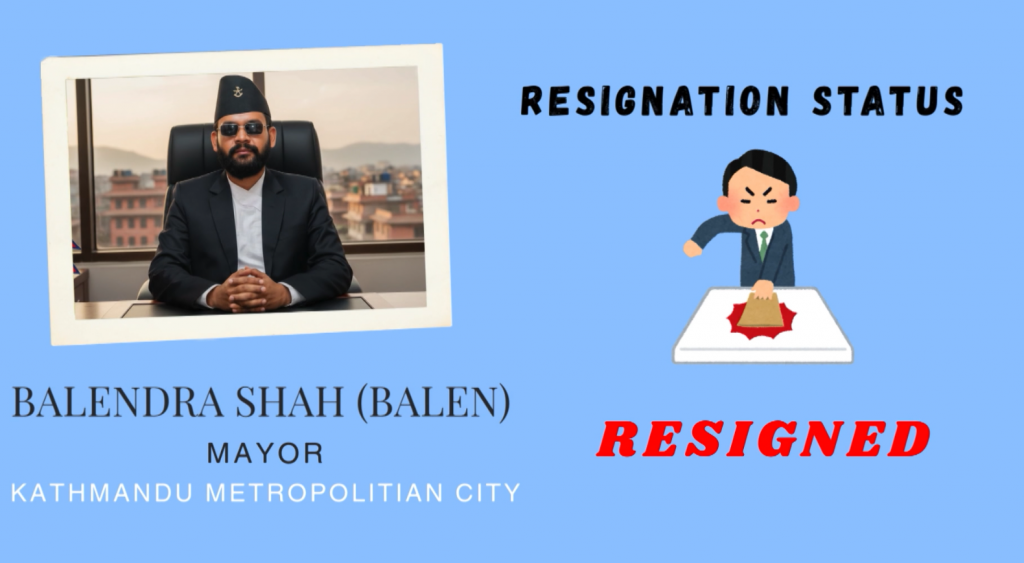
Kathmandu’s Mayor Balendra Shah resigned from his post Sunday, ending a tenure of three and a half years that was marked by bold urban reforms and strong public visibility.
His decision to step down was driven by a new ambition to contest in the upcoming House of Representatives election under the Rastriya Swatantra Party, signaling his transition from local leadership to the national stage.
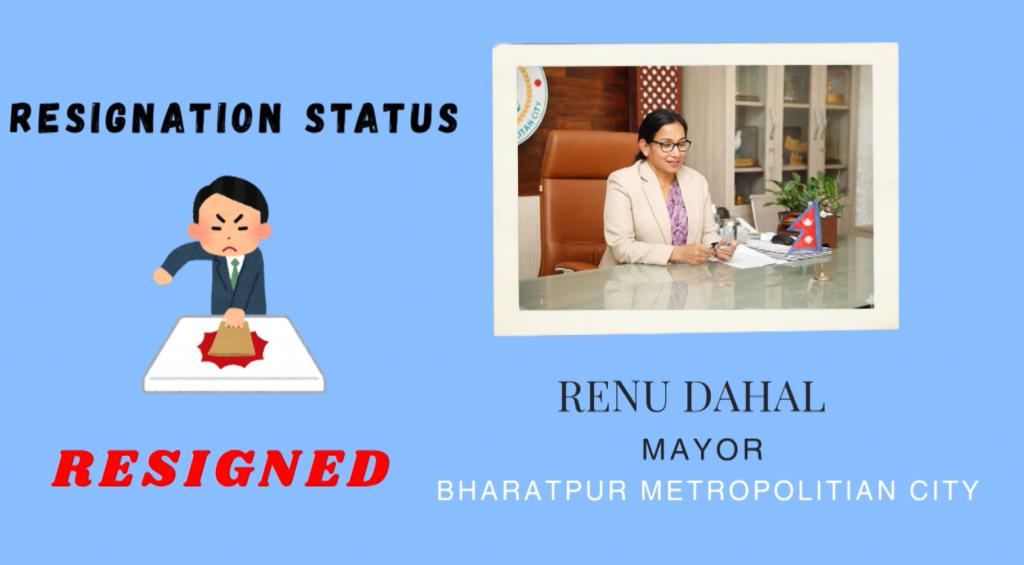
In Bharatpur, former CPN Maoist candidate and how Nepali Communist party leader, Mayor Renu Dahal has also resigned.
Dahal’s resignation reflects a strategic move by her party to reinforce its presence in federal politics, and her shift underscores the growing trend of local leaders stepping into parliamentary aspirations.
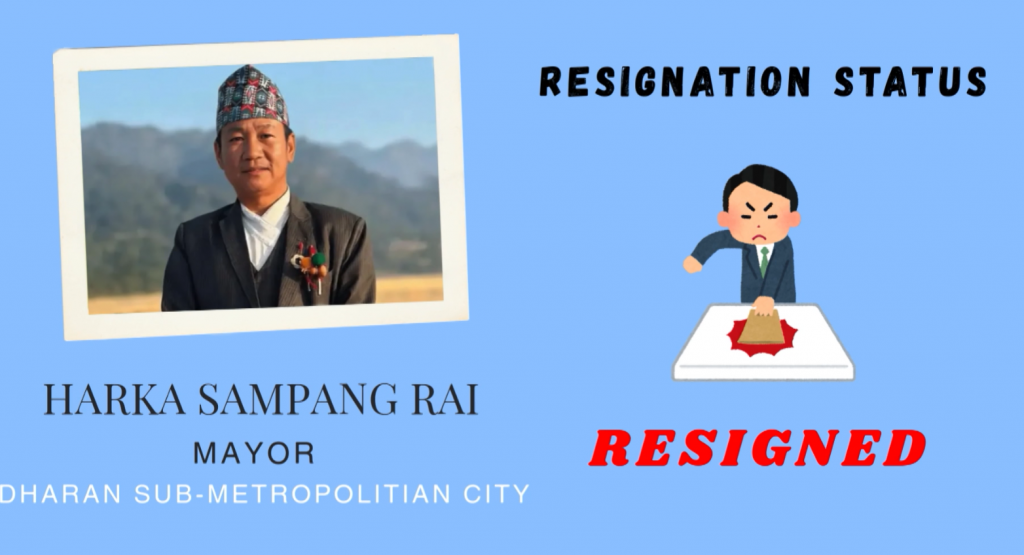
Meanwhile, in Dharan, Mayor Harka Sampang Rai also tendered his resignation late in the afternoon Sunday.
Known for his grassroots activism and citizen mobilization, Rai rose to prominence through voluntary labor campaigns and community-driven projects, particularly in water management and self-reliance.
Now Rai has started his own Shram Sanskriti party and is busy campaigning nationwide for March 5 election as per sources will resign on nomination registration day only.
Together, these three figures Shah, Dahal, and Rai represent distinct styles of leadership: technocratic reform, party legacy, and grassroots activism.
Their journeys reflect a broader transformation in the country’s political narrative, where the voices of local level are now trying to reach the federal policy making level.


Comments