
Nepal’s Roads Turn Electric as EV Sales Hit 73%
Dikshya Awasthi
Nepal is quietly becoming a global leader in electric mobility.
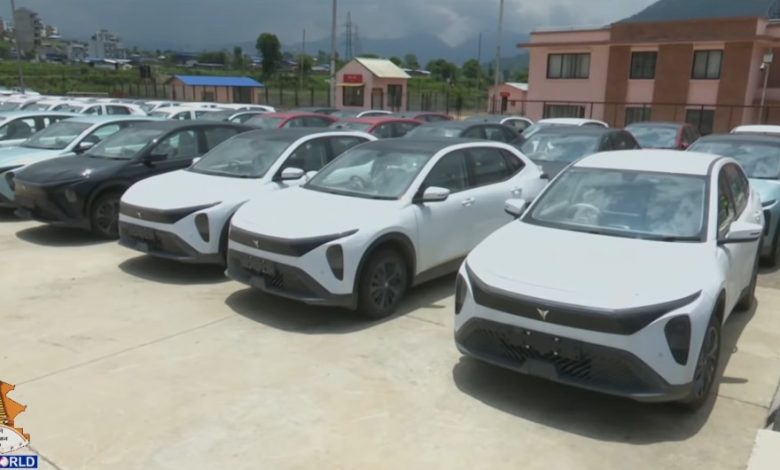
In 2025, the country ranked second globally in the share of new electric car sales, surging to 73 percent from just 8 percent in 2019.
Norway tops the list, where nearly 97 percent of newly sold cars are electric.
This places Nepal ahead of many developed economies in the transition toward cleaner sustainable transport.
The surge is also visible in import data.
In fiscal year 2024/25, according to the Department of Customs, Nepal imported 44,534 electric vehicles, including scooters, motorcycles, three‑wheelers, cars, vans, microbuses and buses worth over 43.99 billion Rs.
As of mid-2025, Nepal has also significantly expanded its electric vehicle (EV) infrastructure, with around 1,511 charging stations across the country.
Experts say several factors are driving this shift, lower import taxes on EVs, rising fuel prices, and Nepal’s clean electricity largely generated from hydropower.
Because over 90 percent of Nepal’s electricity comes from hydropower, EVs offer a cleaner and more sustainable alternative to fossil-fuel vehicles.
The benefits of EVs are significant.
They reduce fuel imports, lower carbon emissions, and help tackle air pollution, a major concern in cities like Kathmandu who also ranks as the most polluted city globally.
EVs also cost far less to operate compared to conventional vehicles.
However, challenges remain. Charging infrastructure outside major cities is still limited, battery recycling systems are underdeveloped, and the high upfront price of EVs continues to discourage many buyers.
Experts say that for Nepal to sustain this momentum, the government must expand nationwide charging networks, maintain stable tax policies, encourage EV assembly or manufacturing, and electrify public transport systems such as buses and taxis.
As Nepal accelerates its electric mobility journey, the challenge now is not just increasing EV imports, but building the infrastructure, policies, and industry that can sustain a truly green transport future.
Nepal is already the world’s second-largest EV importer by percentage, with enormous hydropower potential to generate electricity.
The country holds a rare advantage, the ability to power its future mobility with its own renewable energy.


Comments