
Nepal’s Iconic Karuwa Faces Risk of Being Lost
Sunil Karki (Palpa)/ Rojina Rai
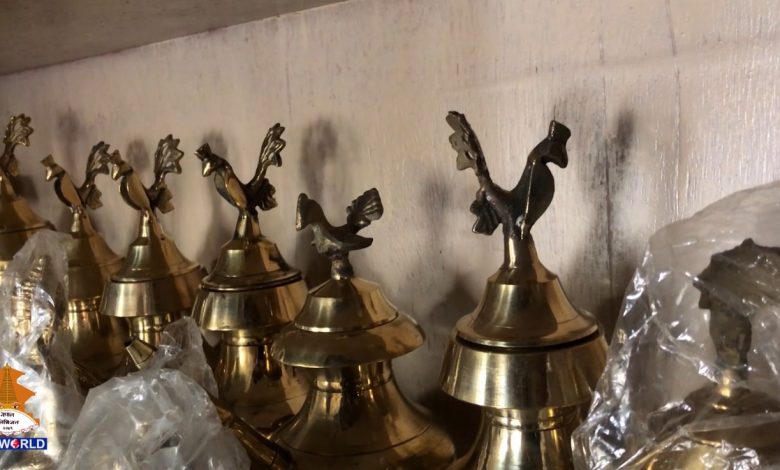
Nepal’s Palpali Karuwas (handmade bronze water jar ), once renowned both nationally and internationally, gained a unique identity through the craftsmanship of Newar artisans.
Today, however, both the legacy of these master artisans and the Palpali Karuwa industry itself are at risk of losing their distinctiveness.
Nestled in the hills of western Nepal, Tansen, the headquarters of Palpa, was once famous for a unique craft the Palpali karuwa (a traditional handmade bronze water jar).
Nepal’s iconic water jar, crafted by Newar artisans since the Rana regime, is traditionally used for drinking and serving liquids featuring intricate hand arts.
Unfortunately, it is becoming memory and the production is declining due to cheap machine-made alternatives, raw material shortages, and high import duties.
Handcrafted by the Newar community, it was more than a household item, a symbol of culture, skill, and local pride.
Until the early 1980s, nearly 30 workshops flourished here, providing livelihood to dozens of artisans supporting their families.
The industry not only brought prosperity to the local Newar community but also helped Palpa to recognize as a center of fine craftsmanship.
Creating a single handcrafted karuwa (water jar) is no small feat.
It takes 25 to 30 days of meticulous work, each piece a testament to patience, skill, and tradition.
The influx of low-quality, mass-produced water jar has also shaken the foundation of this centuries-old craft.
The water jar was once known across the country and even exported to Japan, the UK, the USA, and Thailand.
At present, this iconic industry is struggling to stand out with Cheap, machine-made and imitation of origin water jars from outside the district.
Local artisans face declining sales and reduced opportunities, while the rich heritage is inch closer to the brink of disappearance.
The great story of identity, tradition, and resilience of Nepal’s craftsmanship is slowly fading away as people are losing trust in the authentic product.




Comments