
Nepal’s Chepang Faces Livelihood Challenges as Amriso Loses its Market Charm
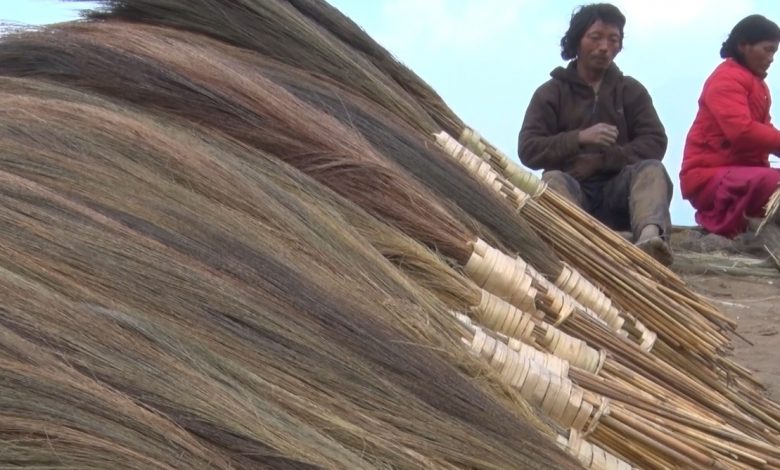
In Nepal’s remote Dhading hills, the marginalized Chepang community is watching a lifeline slip away.
Broom grass, locally known as Amriso which used to be a reliable source of income and deeply tied to their traditional way of life is losing its market charm.
While local governments encourage sustainable Amriso cultivation, the community says poor promotion and weak local markets are pushing their livelihoods to the edge.
Once a lucrative source of income, the broom produced from Amriso species of grass are overshadowed by a demand of plastic or other imported type of brooms from India and China.
The natural broom was a dependable source of income for the families which relied its sale before.
For the Chepang, an Indigenous group traditionally living a semi-nomadic lifestyle rooted in foraging and hunting, Amriso has long been synonymous with livelihood and survival.
There was a time when they sold the Broom grass equivalent of 250 to 700 US dollars in one season.
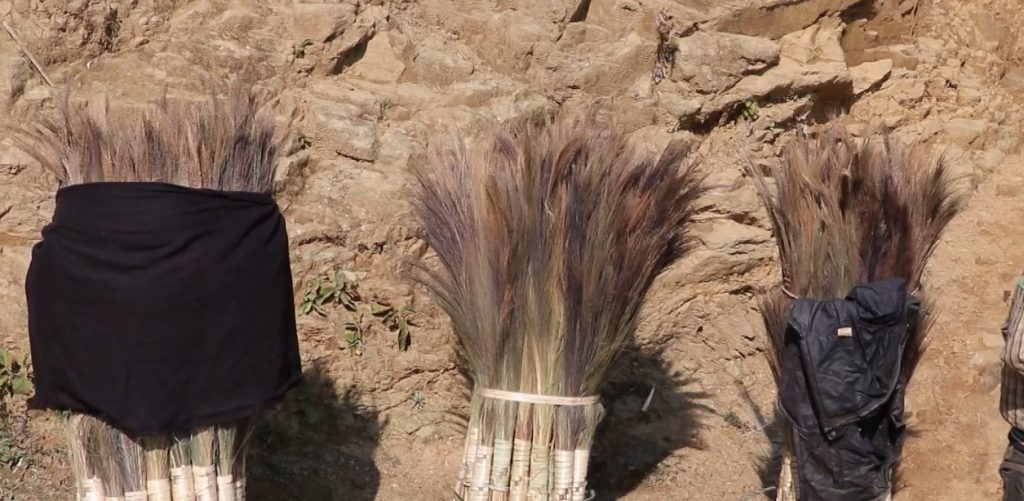
But this year they appear less excited to go to the slopes of hills and harvest Broom grass.
In view of uplifting overall Chepang’s lifestyle, the local level government in remote Dhading has been assisting for the sustainable development by encouraging them to grow Broom grass in unused and barren hilly lands.
Meanwhile, Chepang community lament that lack of market and promotion of local production from local traders are one the barriers for the good earning.
Nepal imports brooms primarily from India and China, which are its largest suppliers.
Other import sources include Switzerland, Malaysia, and Indonesia.




Comments