
Nepal Welcomes Most Diverse Parliament
Sabika Shrestha
Nepal’s newly elected House of Representatives marks a historic shift, bringing together a diverse mix of lawmakers for the first time.
Youthful first-time representatives, record numbers of women through the proportional system, the country’s first transgender woman, and differently abled members are joining the legislature, making it one of the most inclusive and representative parliaments in the nation’s history.
Adding to the formal transition, the Election Commission Nepal on Thursday handed over certificates to winners elected under the proportional representation system, congratulating them on their upcoming parliamentary term during a ceremony held at its premises.
Riding on a wave of public demand for reform and accountability, the RSP secured a major share of seats, largely driven by first-time candidates and political newcomers.
Unlike traditional parties, the RSP’s parliamentary cohort is heavily composed of “freshers”, individuals from non-political backgrounds such as media, business, civil society, and activism.
This generational and professional shift is widely seen as a catalyst for new governance approaches and institutional transformation.
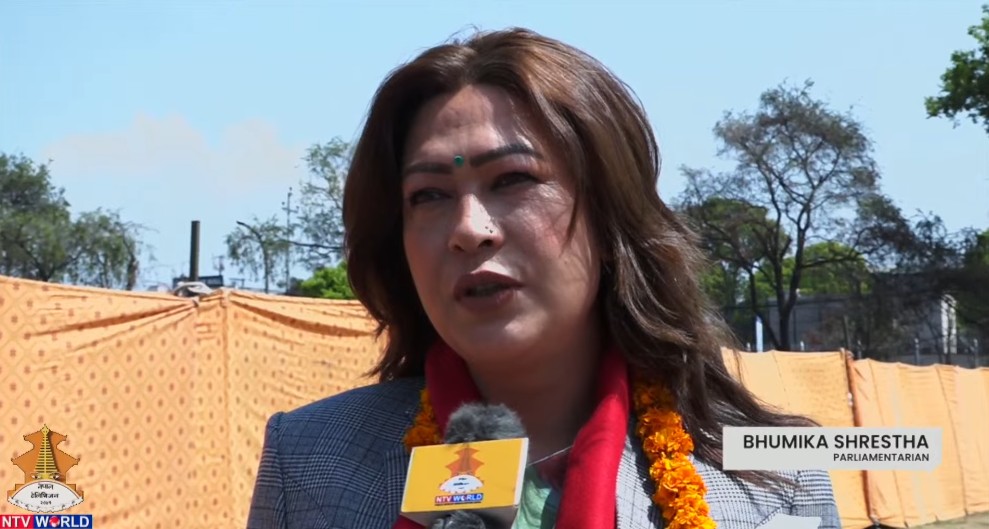
The composition of the House reflects a broader societal change. For the first time, a transgender woman has been elected as a Member of Parliament, marking a historic milestone for representation and inclusion in Nepal’s political landscape.
Bhumika Shrestha, the first transgender woman elected to Parliament, underscored the urgency of legal reform for marginalized communities. “Most of our transgender community face citizenship problems, there is no law on marriage equality, and no clear policy,” she said, adding that her priority is to push for laws ensuring social justice and rights for her community.
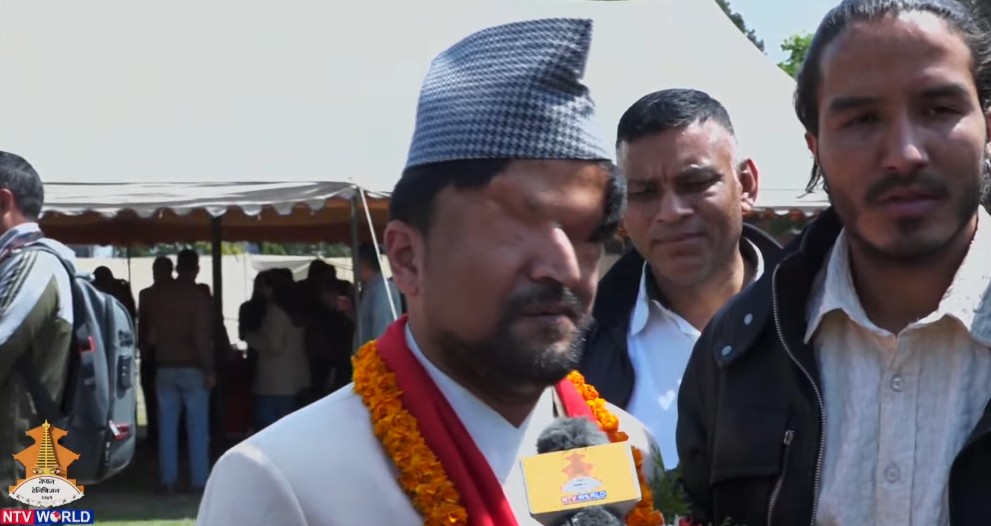
In addition, the new parliament includes representation from differently abled individuals, further strengthening the voice of communities that have long remained on the margins of political decision-making.
Meanwhile, Ramesh Prasain pointed to governance and inclusion as central themes. “My key priorities will be anti-corruption agendas, Gen-Z movements, service delivery, and issues of physically different people like me,” he stated.
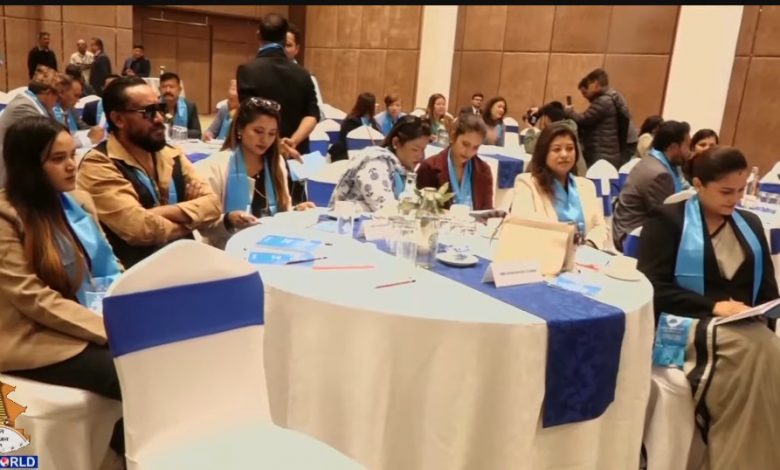
Women’s representation has also seen a notable rise. With very few made to run and then elected from the direct elections, political parties were by the law mandated to bring in more women to secure at least 33 percent representation .
Echoing a sense of cautious optimism, Khusbu Oli highlighted the mix of new and experienced lawmakers. “It’s going to be very interesting because many of us are fresher’s, while some are returning members,” she said, expressing hope that despite varied backgrounds, lawmakers would unite in the country’s interest.
As Nepal enters this new parliamentary phase, the blend of fresh leadership and inclusive representation has raised hopes for a more responsive, transparent, and forward-looking political system.
The leadership’s ability to harness the energy of new lawmakers while ensuring policy coherence will be closely watched in the coming months.

Comments