
Nepal Seeks Global Rescue Support
Sabika Shrestha
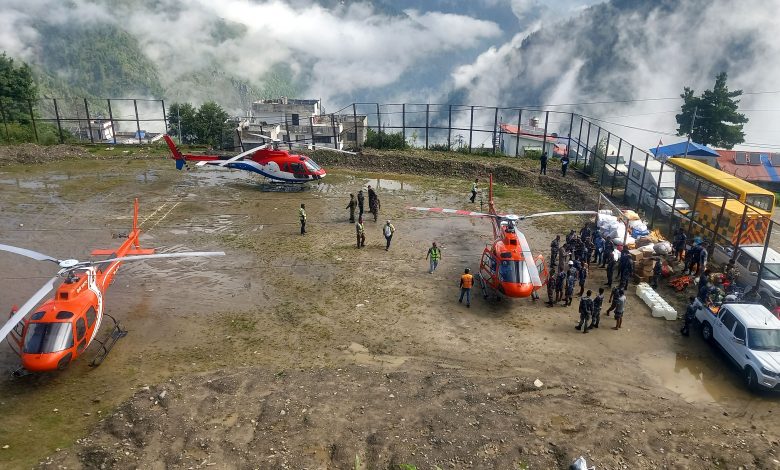
Nepal government is seeking to reinforce the rescue efforts, as the search for thousands of missing people, including hundreds of foreign nationals, continues.
Nepal is intensifying diplomatic coordination with India, China, South Korea, Japan, Singapore, Qatar, Malaysia and other international partners.
The immediate priority remains saving lives, locating the missing, rescuing survivors and providing urgent relief, with more than 21,000 security personnel deployed across affected areas.
Among those rescued are around 324 foreign nationals, while approximately 590 nationals from 39 countries remain missing. The figures are still being updated as search and verification continue.
The Foreign Ministry has established an Emergency Control Room to coordinate with diplomatic missions, families and government agencies on the search, verification, identification and repatriation of foreign nationals.
So far, India has deployed specialized tunnel-rescue teams, China has sent technical personnel, and South Korean experts are also assisting Nepali authorities at affected hydropower projects.
Indian and Chinese forensic teams are supporting DNA-based identification, while Nepal is coordinating with Singapore for disaster-victim identification expertise.
The Foreign Ministry is also using high-level diplomatic channels to secure further expertise and resources.
Ministry sources confirm the Foreign Minister is engaging in dialogue with counterparts from Japan, Qatar, Singapore and Malaysia, while discussion with Canada is scheduled.
As rescue operations continue, Nepal is preparing for the next phase: assessing damage to homes, roads, bridges and hydropower projects and conducting a Post-Disaster Needs Assessment. The government expects substantial international support will be required for rehabilitation and reconstruction.
The Ministry says the immediate need is increasingly specialized rather than only humanitarian—including LIDAR, Bailey bridges, DNA-testing equipment, freezers, high-capacity drones, gene sequencers and equipment for handling human remains.




Comments