
Nepal Sambat: Five Unique Facts
Devendra Subedi
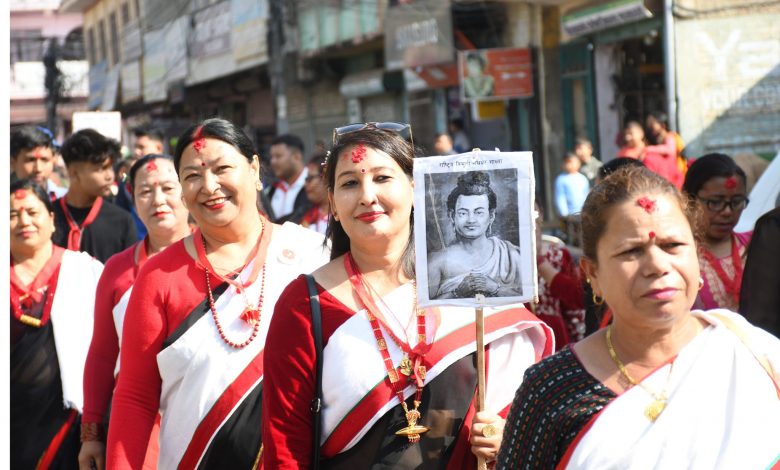
Nepal Sambat is the second nationally recognized lunar calendar in Nepal, which is the only calendar named after a country. Initiated by national luminary Sankhadhar Sakhwa, the calendar commemorates the repayment of all debts owed by Nepali people. The origin of the calendar can be dated back to 879 A.D., as per various historical documents.
Only 354 Days
Unlike the other calendars, Nepal Sambat consists of only 354 days per year and an added month every third year. This calendar came into being and into official use during the reign of King Raghabdev, immediately after the completion of Mandev Sambat 304 (881 AD).
Only Calendar Named After Place
While almost all other calendars in the world are named after some rulers or religious leaders, Nepal Sambat is the only calendar that is named after a country. This calendar is said to have been introduced by a common subject, Shankhadhar Sakhwa, by clearing, on his own, all the debts owing to the state by the then subjects of Nepal.
| Nepal Sambat Month | Corresponding Gregorian Month |
| Pohe Laa | January |
| Sil Laa | February |
| Chil Laa | March |
| Chau Laa | April |
| Bachha Laa | May |
| Tachha Laa | June |
| Dil Laa | July |
| Goon Laa | August |
| Yen Laa | September |
| Kau Laa | October |
| Kachha Laa | November |
| Thin Laa | December |
One Additional Month Every Third Year
Nepal Sambat consists of 354 days per year due to the fact lunar month has 29 or 30 days based on the movement of the moon. So it necessitates a month to be added every third year.
Nationalized by Mallas
This calendar was the national calendar of Nepal in Malla and early Shah era. It was replaced by Bikram Sambat, or the Bikram Era, as the national calendar. However, the calendar is still in use because most of the Nepali festivals are celebrated according to the calendar.
Official Boycott and Revival
The official boycott of Nepal Sambat, and the adoption of the Bikrama Era, began in A.D. 1903, during the reign of Chandra Sumsher Rana (1901-1929). Though the Bikram Era has little to do with Nepal, it was established as the national calendar. The government of Nepal recognised the Nepal Sambat as the national calendar in 2007. The Government of Nepal officially started using Nepal Sambat in national documents alongside Bikram Sambat from November 2023.



Comments