
“Medicine Alone Cannot Heal Mental Illness”: Dr Pradhan
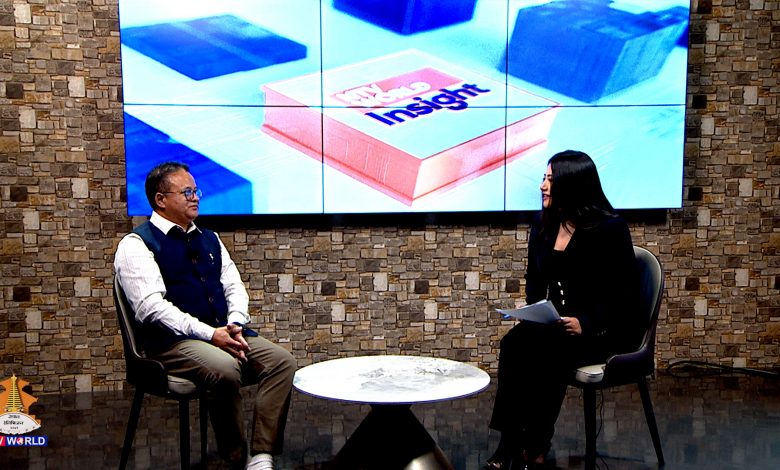
In many parts of the world, mental illness still hides behind whispers, conversations about the mind often remain unspoken. Yet, the weight of anxiety, trauma and depression is felt in every home, school and street. Dr. Sudarshan Narsingh Pradhan, a leading neuropsychiatrist and former President of the SAARC Psychiatric Federation, explains what it truly means to heal the mind and why mental well-being should matter to us all.
“Mental illness is still a taboo,” Dr. Pradhan begins. “When people experience anxiety, they complain of palpitations, headaches or shortness of breath. They go from one specialist to another, but when every test shows nothing wrong, what remains unseen is the mind.”
He has spent decades listening to stories that speak of invisible wounds. One story he shares is of a woman trapped in an abusive marriage. “Her husband was alcoholic and violent, leaving her to manage the home and finances alone. She lived in constant fear, unable to sleep, gradually slipping into depression,” he says. “The scars are not on the outside. They are within.”
“Excessive social media use can provoke anxiety and loneliness”
Dr. Pradhan says individuals easily overlook mental pain because it does not bleed. When asked if time heals these wounds, Dr. Pradhan reflects, “At first, many patients hold back. But as they talk, tears begin to flow and their real pain unfolds. Medicine alone cannot cure. Healing comes when both the victim and the abuser are treated, when the environment that causes pain is also addressed.”
He shares that trauma and violence reach across all ages. “Depression, anxiety, post-traumatic stress and suicide are widespread. In Nepal, around fifty to sixty people attempt suicide every day,” he says. “Alcohol and drug abuse, bipolar disorder and schizophrenia are often part of the struggle.”
On the digital device (mis)use, Dr. Pradhan warns, “Excessive social media use can provoke anxiety and loneliness,”. “It connects us virtually but isolates us emotionally.”
Dr. Pradhan believes awareness begins at home. “Parents should spend time with their children, talk, play, and be part of their world,” he says. “That bond is the strongest form of prevention.”
Dr. Pradhan on the access of average Nepalis to mental health treatment says, “It is not a luxury. Access to mental health is for everyone”. He stressed the need for starting awareness early, in schools, and build a culture of empathy and understanding.
“Parents should spend time with their children, talk, play, and be part of their world,”
In a society still learning to speak about the mind, Dr. Pradhan’s words remind us that caring for mental health is not only a medical concern but a moral one. Healing begins when conversation replaces silence, and compassion replaces judgment.
(The full episode of NTV World Insight on Mental Wellbeing with Dr. Sudarshan N. Pradhan coming soon on NTV World)



Comments