
Living Beyond Borders of the Country
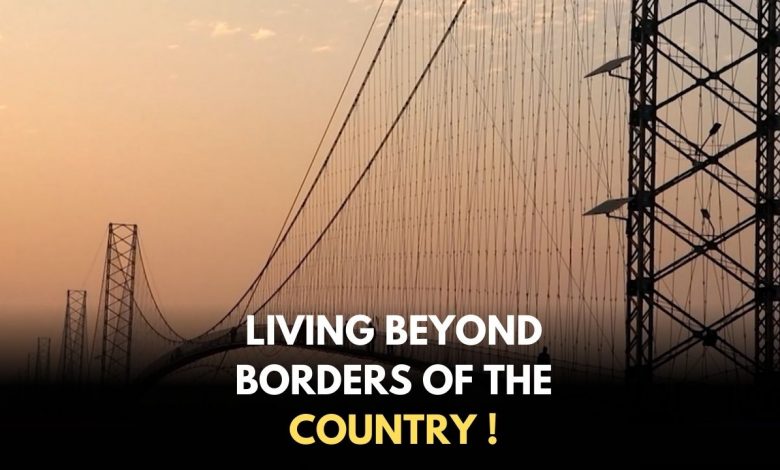
Around 45 thousand people living in the Dodhara Chandani in far-western Nepal, can best describe the feeling of living in a country but outside the border.
The only Nepali settlement inside Indian territory that too triangled by two mighty rivers, struggles every monsoon losing lives and property to floods and soil erosion.
Basic state services like health care, education, and clean drinking water are luxury for the denizens.
How does it feel living in a country but outside the boundaries, ask the people of Dodhara Chandani, municipality in far-western Nepal.
Known as the longest iconic suspension bridge in Nepal, the Dodhara Chandani Bridge the place remains isolated and neglected due to limited state attention.
Geographically isolated from the mainland, this area is situated at the far western edge of Nepal, bordering India.
Prone to flooding, inundation, erosion during monsoon season, and border encroachment, the Mahakali River is the sorrow for the people here.
Basic state rendered services including health care, education, and clean drinking water are luxury here.
For long, leader remember the around 40 thousand residents of this place during election making promises for the same thing almost every time.
A permanent embankment along the Mahakali River has been their demand for long but the issue is something that the country needs to make diplomatic effort with India to pursue.
Triangled on three sides by the Mahakali and Jogbuda rivers, the people here struggle to survive every monsoon.
Hundreds of families have displaced owing to flooding and river erosion in the most remote and vulnerable settlements Kutiakabar, Pillar Number 18 settlement, Sundarnagar, and Patra Khalla.
Local Mayor Kishor Limbu says the municipality alone cannot bear the financial burden, both provincial and federal governments must prioritize embankment construction.


Comments