
Lending a Hand to Migrant Workforce
Sabika Shrestha
Foreign employment is often viewed through the lens of economy, contributing roughly 23% to Nepal’s GDP.
However, the reality behind these numbers involves a journey fraught with risk.
At the center of the nation’s effort to mitigate these dangers is the Foreign Employment Board (FEB), a specialized body operating under the Ministry of Labor, Employment, and Social Security (MoLESS).
The Board has been formed to ensure that the labor migration process remains safe, organized, and dignified for millions of Nepali citizens.
The Board’s primary mission is to transform migration from a gamble into a protected professional endeavor.
By managing the Foreign Employment Welfare Fund, the Board provides an essential safety net that workers and their families can rely on during their most vulnerable moments.
To ensure workers are never truly alone, the Board facilitates the repatriation of the remains of those who pass away overseas and orchestrates the rescue of stranded individuals.
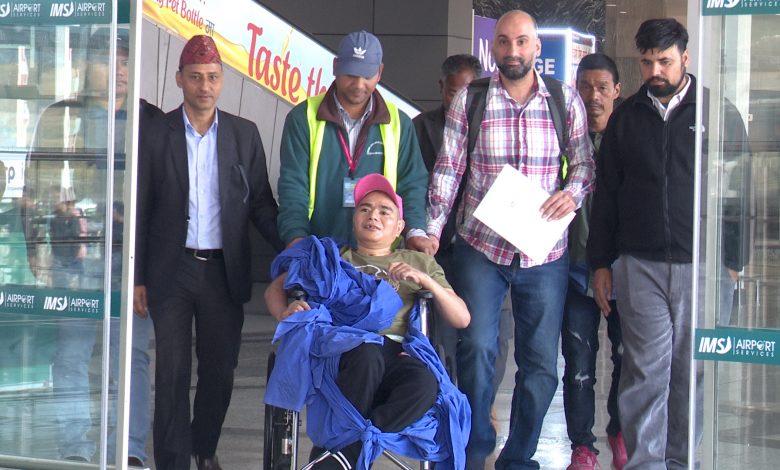
The reparation of Nepali workers like Shyam Gharti Magar who had been in hospital bed for almost two years was made possible by the board’s efforts, though arduous and even involving diplomatic channels.
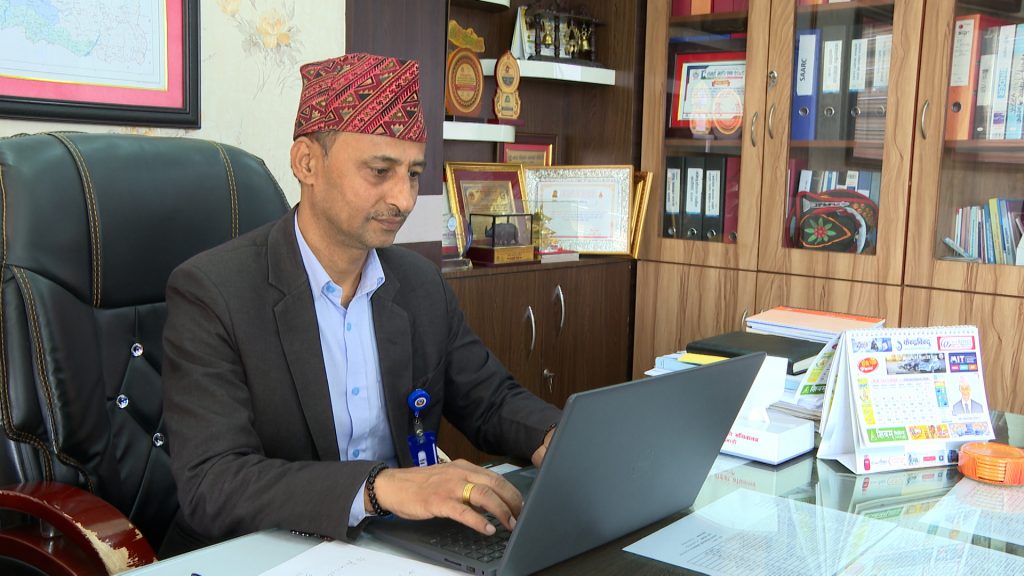
Dr. Dwarika Upreti, Executive Director of Foreign Employment Board Nepal explained, “Suddenly, he met with an accident and fell ill. After that, the Nepali Embassy in Bahrain and the local employer organization also supported his rescue. Finally, at the request of the family and in collaboration with the embassy, we made efforts to bring him back to Nepal. They have just arrived at the Kathmandu airport. Following this, we will proceedbased onconsultations with the family and hospital doctors to determine the most appropriate course of action. The Foreign Employment Board has been working on relief, rescue, and compensation for such workers who have gone for foreignemployment.”
Beyond financial aid, the Board acts as a proactive guardian throughout the entire migration cycle.
Through its ShamadhaanCall Center and telemedicine services, it offers a 24/7 lifeline, providing legal guidance and medical consultations to workers thousands of miles away from home.
While the Government of Nepal aims to eventually create enough domestic opportunities to make foreign migration a choice rather than a necessity, the Board ensures that as long as Nepalis seek work abroad, they do so under a banner of dignity.
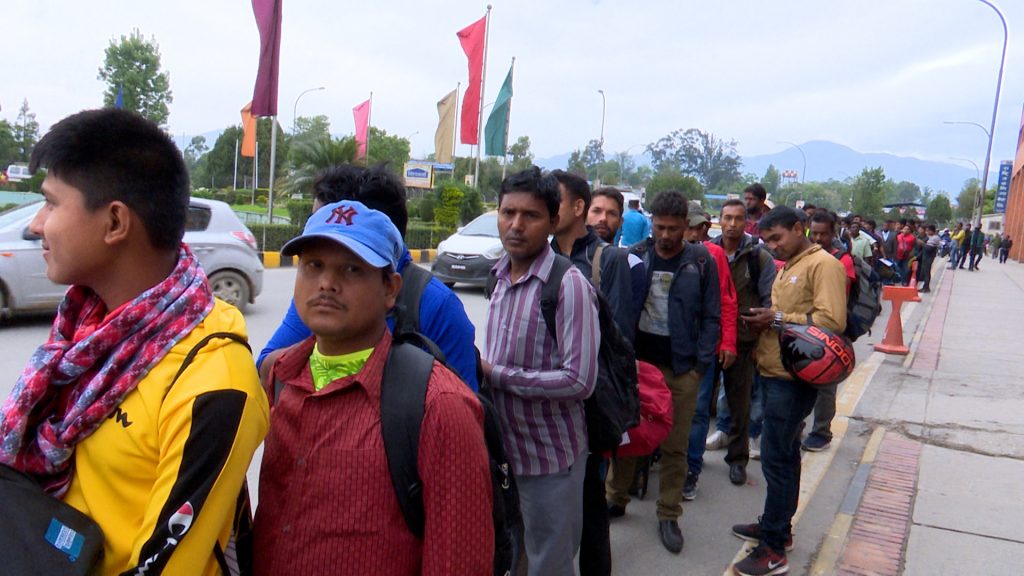
Though the efforts might not have reached all the needy people at present, the board is effortful in providing the state’s duty of care to its citizens abroad amid limited resources.



Comments