
Historic March 5 HoR Election Sees Lowest Voter Turnout in 30 Years
Dikshya Awasthi
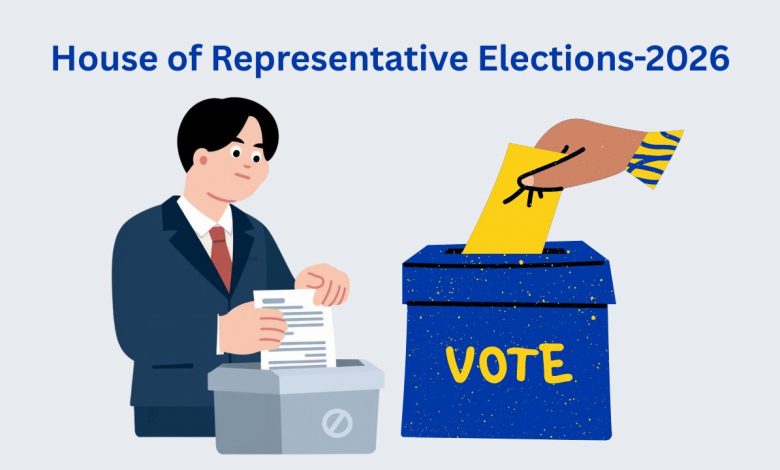
The House of Representatives election held in Nepal on March 5, 2026 was historic in many ways. The poll took place amid a special political vacuum following the overthrow of an elected government by street protests led by Gen Z on September 8 and 9, with more than two years still remaining for the dissolved lower house of parliament.
Despite the significance of the moment, however, the election produced an unexpected outcome: the lowest voter turnout recorded in nearly three decades.
Only 58.07 percent of registered voters cast their ballots in the March 5 election. This figure stands in stark contrast to Nepal’s history of relatively strong voter participation.
The country has traditionally seen higher turnout in national polls. In 1991, voter participation stood at 65%, followed by 61% in 1994. The 2013 Constituent Assembly election recorded an impressive 78.34% turnout, while the 2017 general election saw 68% participation. Even the most recent 2022 parliamentary elections maintained a 61% turnout.
Given this historical context, the 2026 turnout sees a noticeable decline.
A total of 18.9 million voters were registered for the election, including approximately 900,000 first-time voters. Expectations were therefore high that the election taking place in a politically charged atmosphere, would mobilize the electorate. Yet participation failed to meet those expectations.
This outcome came despite the Election Commission’s efforts to make voting more accessible. Authorities extended the voter registration deadline, further digitized the electoral system, and added 168 additional polling stations compared to the previous federal election.
Still, the turnout remained historically low.
Officials speculate that several factors may have contributed to the decline. One major challenge is the large number of Nepali citizens living and working abroad. Millions of migrant workers remain registered voters but cannot participate in elections due to the lack of overseas voting mechanisms.
Labor migration has become a defining feature of Nepal’s economy. More than two million migrant workers continue to send billions of dollars in remittances back home each year, yet they remain excluded from the country’s voting process.
Another factor experts highlight is growing public frustration with politics. Many citizens appear to be experiencing voter fatigue. After participating in repeated elections over the years, some voters feel that their participation has not translated into meaningful improvements in their daily lives.
For some observers, the low turnout could signal deeper concerns about the health of democratic engagement in the country.
The election barely crossed the minimum 50 percent turnout threshold required to maintain legitimacy. While the result is legally valid, experts warn that such a narrow margin could represent a troubling signal for Nepal’s democratic practice.
The Election Commission has previously explored alternatives such as out-of-constituency voting and overseas voting to address these challenges. However, officials say serious legal and logistical barriers, along with a lack of political consensus, have prevented these proposals from being implemented.
As Nepal moves forward after yet another election, the challenge now goes beyond organizing polls. The deeper task lies in restoring voters’ confidence in the democratic process and ensuring that more citizens feel their vote truly matters.

Comments