
Festivals of Nepal: A Cultural Canvas
Sabika Shrestha
In Nepal, every day feels like a celebration. From the Himalayas to the plains of the Terai, festivals here are not just dates on a calendar, they are the heartbeat of a nation.
Each celebration adds a fresh stroke of color to Nepal’s cultural canvas, blending faith, nature, and community into one timeless story. “Nepalis worship the sun, moon, water, plants, and even the cycle of planting and harvest,” says Dr. Priyamvada Kafle, Associate Professor at Balmiki Campus. “These rituals honor the elements that sustain life.”
Seasons of Faith and Family
The rhythm of Nepal’s calendar year is marked by its festivals. Dashain, the grandest of all, brings families together to receive Tika and Jamara, symbols of blessing and renewal. Homes fill with the scent of incense and the warmth of family reunions. Soon after comes Tihar, the festival of lights, when streets glow with oil lamps and echoes of Deusi-Bhailo carols. It’s a celebration not just of light over darkness, but also of love, gratitude, and community spirit.

Echoes Beyond Hindu Traditions
Nepal’s cultural diversity ensures that celebrations never stop. Buddha Jayanti, marking the birth of Lord Buddha, transforms monasteries into seas of flickering butter lamps. In the mountain communities, Sherpas, Tamangs, and Gurungs welcome Lhosar, their New Year, with drums, dances, and feasts, honoring ancestors and the rhythm of the land.
Valley of Gods and Stories
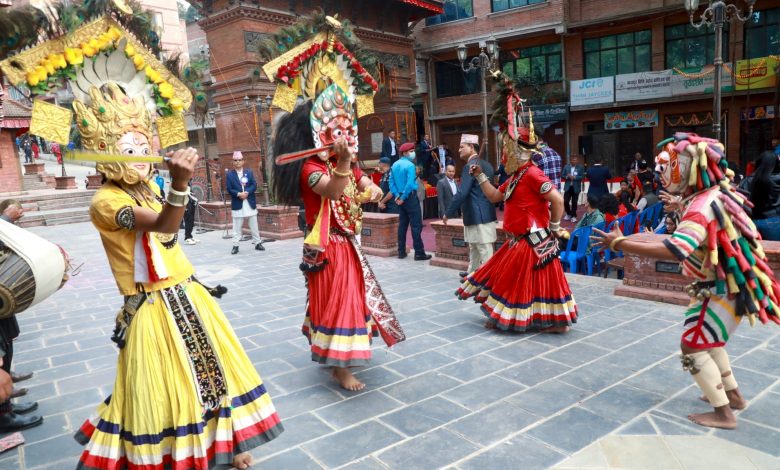
In Kathmandu Valley, the ancient Newar community turns faith into art. During Indra Jatra, towering chariots and masked dancers fill the streets in a spectacular tribute to the deity of rain. Gaijatra blends humor with obeisance as families honor loved ones who have passed. During Yomari Punhi, freshly harvested rice becomes sweet dumplings shared in gratitude for nature’s bounty.
Down south, in the Terai, devotees celebrate Chhath, offering prayers to the rising and setting sun, a serene reflection of discipline, purity, and devotion.
Women’s Festivals: Strength in Sisterhood
For Nepali women, festivals are also a space for spiritual and emotional expression. Teej and Rishi Panchami bring women together in fasting, prayer, and songs, clad in red, yellow and green, dancing in joy and solidarity. These are not merely religious observances; they are affirmations of resilience, sisterhood, and empowerment.
Festivals in Nepal are more than cultural displays; they’re collective therapy. The music, dance, and rituals foster emotional release, belonging, and shared joy.
Indigenous Rhythms and Rural Roots
Nepal’s indigenous communities keep their heritage alive through festivals like Maghe Sankranti, celebrated with sesame sweets, yams, and family feasts, and the Kirat celebrations of Sakela Udhauli and Sakela Ubhauli, marking the migration of animals and the changing seasons through dance and song. Even smaller ethnic groups preserve intimate traditions such as Chhewar and Mha Puja, ceremonies focused on purification, reflection, and reverence for the body and soul. Regional festivals like the Deudas of the Western and Far Western region have create their own affinity in the specific geography and demography.
“Nepal may be small in size, but its cultural diversity is immense,” says Dr. Bina Paudel, a cultural expert. “Religious tolerance allows Hindus, Buddhists, Muslims, and Christians to coexist harmoniously. Festivals here are bridges, they connect, not divide.”
The Healing Power of Celebration
Festivals in Nepal are more than cultural displays; they’re collective therapy. The music, dance, and rituals foster emotional release, belonging, and shared joy. Psychologists note that such gatherings strengthen social bonds and emotional wellbeing. Whether it’s children flying kites during Dashain, butter lamps glowing in monasteries during Lhosar, or the rhythmic pulse of Newar drums, each moment rekindles balance, optimism, and hope.

Even as Nepal modernizes, its festivals remain timeless anchors. In cities like Kathmandu and Pokhara, events such as Ghodejatra, the horse parade of valor, and Rato Macchindranath Jatra, the chariot festival for rain and prosperity, fill the streets with color and devotion.
“Festivals are the ventilation for our emotions,” says Dr. Paudel. “They connect us to our roots and remind us who we are.”
Despite differences in language, ethnicity, and geography, Nepal’s festivals weave one shared truth, that life itself is sacred. Joy, gratitude, and togetherness are not just celebrated here; they are lived. In Nepal, every festival is a heartbeat, and together, they make the nation’s soul sing.

Comments