
EV Conversion: Confusion Over Administrative Hassles
Sabika Shrestha
Nepal is rushing towards cleaner and greener mobility not only by encouraging electric vehicles imports and sales but also conversion.
The government’s approval on converting internal combustion engine (ICE) vehicles into electric vehicles (EVs) is Nepal’s yet another step toward cleaner and more sustainable transportation.
For a country that stands as one of the top five importers of EVs in the world, the cabinet decision allows older petrol and diesel vehicles to be retrofitted with electric systems.
Though the policy level decision has been done the nitty-gritties are yet to be cleared.
As per existing law modifying the engine of any vehicle is illegal in Nepal.
The cabinet decision has removed the long-standing legal barriers that previously prohibited modifications to a vehicle’s original structure.
The move is expected to extend the lifespan of aging vehicles while reducing the country’s heavy reliance on imported fossil fuels.
Targeting high-emission vehicles, the policy prioritizes petrol cars older than 15 years and diesel vehicles over 10 years, many of which were nearing mandatory phase-out.
Ministry of Physical Infrastructure and Transport will now develop a detailed regulatory framework within three months.
The plan includes establishing certified conversion centers, approving standardized EV kits, and ensuring safety and quality control.
Officials say the initiative builds on successful pilot projects led by innovators, including the National Innovation Center, demonstrating the feasibility of local EV conversion.
Sri Kant Yadav, Technical Director at the Department of Transportation Management, said, “Nepal has introduced a policy to convert petrol and diesel vehicles into electric ones, but detailed procedural guidelines—covering standards, processes, and responsible bodies—are still being developed by a team of experts and technicians”.
However, concerns over multiple issues related to conversion remain to be answered.
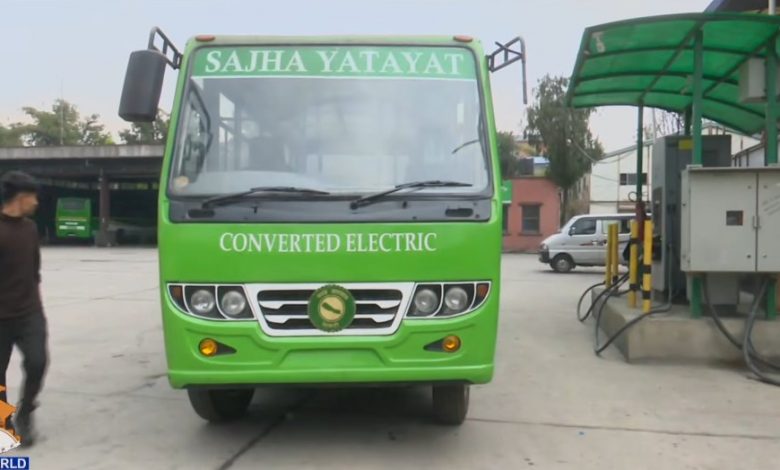
A vehicle user added, “While the shift to electric vehicles is welcomed due to rising fuel costs and pollution, high conversion costs such as around 8 million rupees for a Sajha bus and difficulties in converting older vehicles remain major concerns.
With Nepal increasingly leveraging its hydropower resources, the policy is expected to align the transport sector with domestic clean energy marking a significant step toward a greener future.


Comments