
Dhankuta’s Century Old Forest: Posing Threat to Humans
Bijeta Bhandari/Bidur Khabas
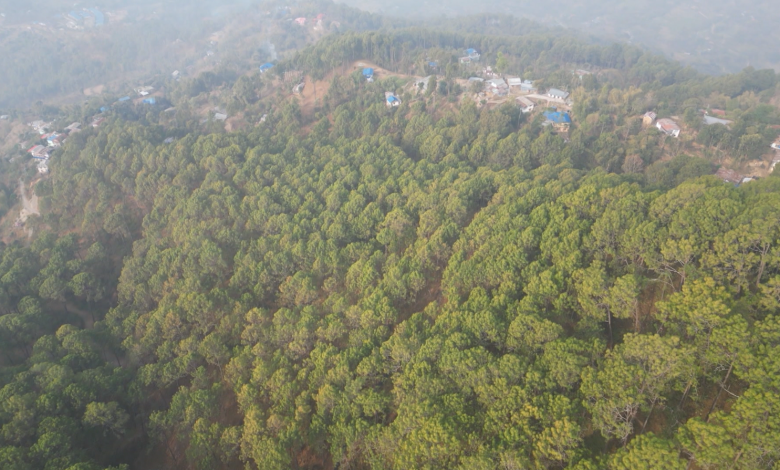
The historic Salleri National Forest of Dhankuta in Eastern Nepal, which spreads over 406,986 square meters, has become a serious risk for the locals due to the ageing pine trees in the region.
The predominantly pine forest is posing fatal risk to the local residents who have no choice but to walk through the woods full of decaying old pine trees, as the forest and nearby areas house several infrastructures used daily by the people.
The Salleri Forest, located at Ward no 6 of Dhankuta is home to pine trees that are over 150 years old.
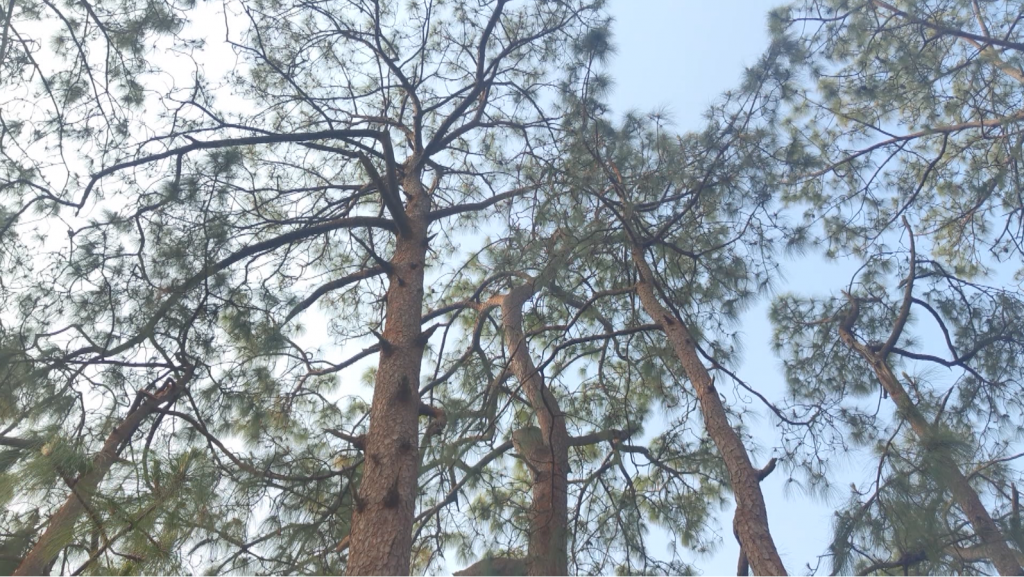
The ageing trees pose a serious threat to the people year round, with the winter bringing occurrences of storms and forest fires, while monsoon is plagued by the risk of trees uprooting.
But the locals and travelers alike are still compelled to make their way through the forest as the nearby area houses the Saraswati temple, school, hospital, and other infrastructures.
Additionally, the Dhankuta-Hile section of the Koshi Highway runs directly through the forest as well.
A local priest said, “I have been serving at this temple since my father’s time. It has been three generations now. Since I go there every day to perform worship and rituals, I have to face extreme risk. When there is a storm of rain, it is quite frightening for us.”
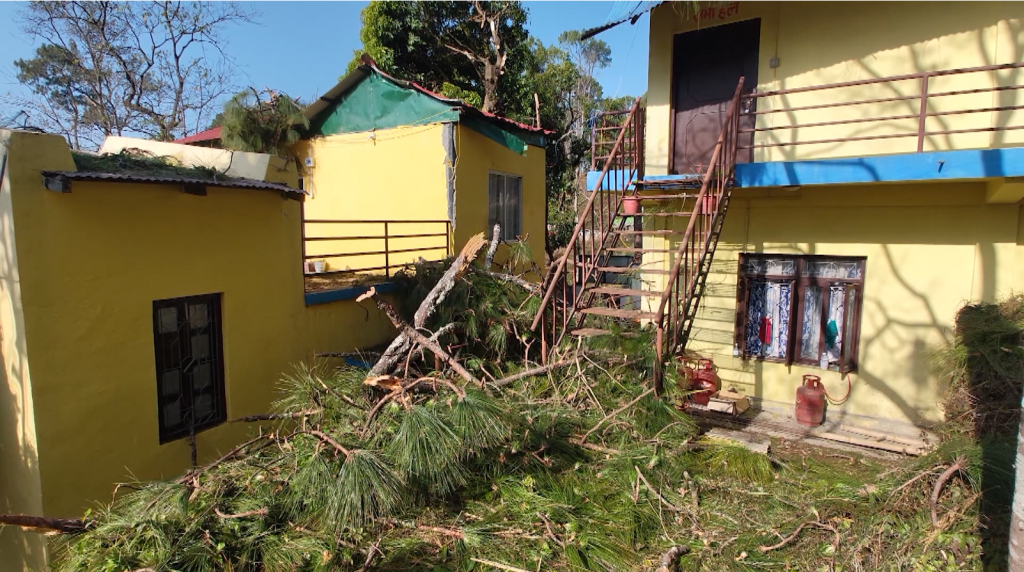
On March 16, 2026, a powerful, storm uprooted more than 150 trees on a single day, subsequently also causing damage to structures belonging to Nepal Army, the Ayurveda Dispensary, and the local water supply system.
Dhankuta’s Division Forest Office has implemented a 40 year regeneration plan. According to the officials, this regeneration policy aims to remove aging trees and plant new saplings to conserve the forest while also reducing risks to human life.
Information Officer at Division Forest Office, Dhankuta Anjana Puri said, “National Forest is a very old forest of ours. This forest was planted and has been protected since the Rana era. We have developed a management plan for it based on a 40-year crop cycle. Every 10 years, we renew the plan and harvest by dividing the area into 10 blocks. Additionally, if any tree becomes hazardous and poses a risk to people’s lives and property, we categorize it as high-risk and remove it ahead of the plan to ensure public safety.”
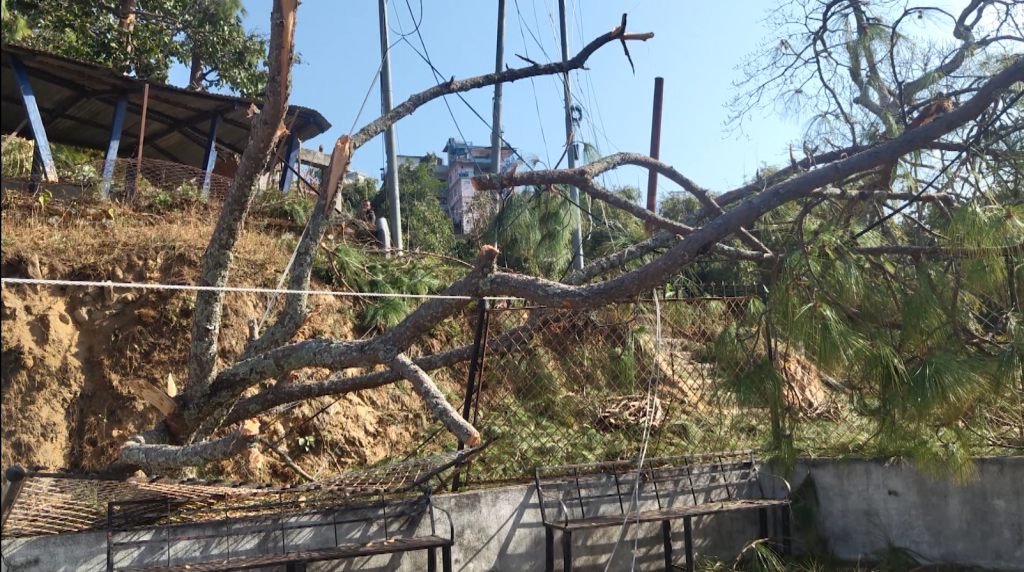
However, local residents are demanding immediate felling of the hazardous trees to mitigate the danger.
As the forest spreads around local settlements including schools and hospitals, locals warn that a major disaster could occur if these high-risk trees are not managed in time.



Comments