
Decline of Taksar Bazaar : Shrinking Industrial Hub of Nepal’s Bhojpur
Rojina Rai/Ganesh Bista
Once a thriving industrial hub of eastern Nepal, Taksar Bazaar in Bhojpur is losing its historic identity.
Gradual shutdown of metal industries that once brought nationwide recognition has triggered migration, leaving the area largely silent.
Taksar Bazaar in Nepal’s eastern Bhojpur district, once a major industrial and commercial hub, holds a unique place in the country’s economic history.
The name “Taksar,” meaning Coin minting factory, reflects its historic role in minting coins during the Rana era, alongside its rich cultural heritage.
For centuries, Taksar Bazaar functioned as a center for metalwork and trade with India and Bhutan, playing a vital role in the regional economy.
Its industrial journey gained national prominence after copper and iron ores were discovered almost 2 centuries ago.
Establishing the area as a key site for mining, minting, and metal-based industries.
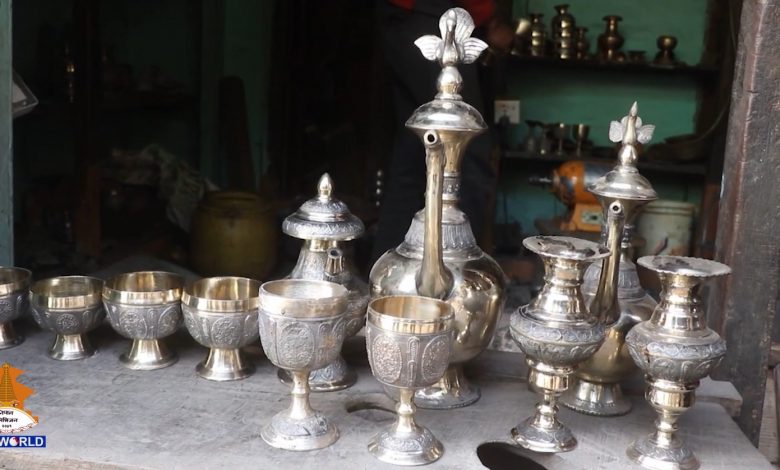
At its peak, just a few decades ago, hundreds of small and medium scale metal workshops operated here, and the Bazaar was home to around 200 to 300 families.
Today, only five workshops remain, struggling to survive, while the population has dropped to just 40 to 45 families.
Large-scale migration and the closure of industries have left much of the once-bustling bazaar eerily quiet.
Despite the decline, hand crafted metal products from Taksar continue to see demand both within Nepal and in international markets.
However, local artisans say the search for sustainable livelihoods has fueled migration, creating a severe shortage of skilled craftsmen.
This has made it increasingly difficult to sustain production and meet market demands.
Locals and historians highlight for urgent preservation efforts of Taksar Bazaar as a vital part of Nepal’s industrial and cultural history an area facing serious challenges.



Comments