
Consular Authentication Online Now, MoFA Launches New System
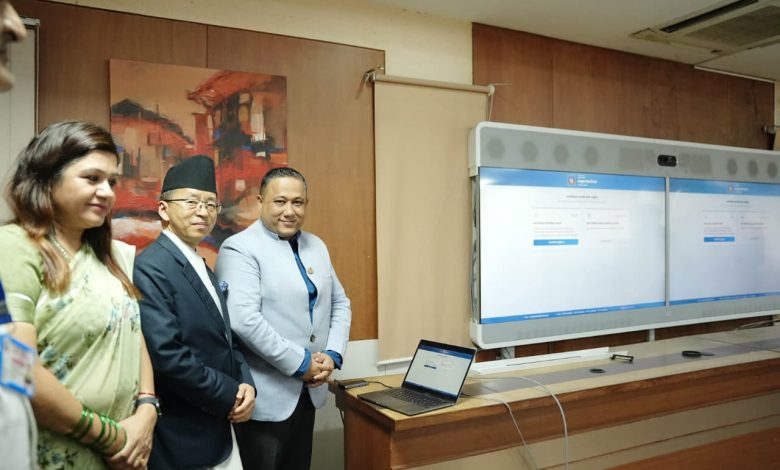
The Ministry of Foreign Affairs has formally launched the Nepal e-Attestation System (NEATS) with the aim of making consular authentication services fully technology-friendly.
Through this new system, service seekers will be able to apply online for consular authentication from anywhere in the world, check the status of their application, pay fees, and book appointments online. The service will be operational from Bhadra 1.
Speaking at the inauguration ceremony held at the Ministry in Singha Durbar on Thursday, Foreign Minister Shishir Khanal said that the digital system was introduced in line with the government’s commitment to make services provided by the ministry and its subordinate bodies more accessible, simple, transparent, and effective.
Minister Khanal expressed happiness that his first decision as Foreign Minister had materialized, adding that the system would significantly contribute to making the ministry’s overall service delivery exemplary.
He emphasized that the government has prioritized the concept of “Digital Nepal” and good governance, gradually making public services available through digital means, and NEATS is a practical implementation of that policy.
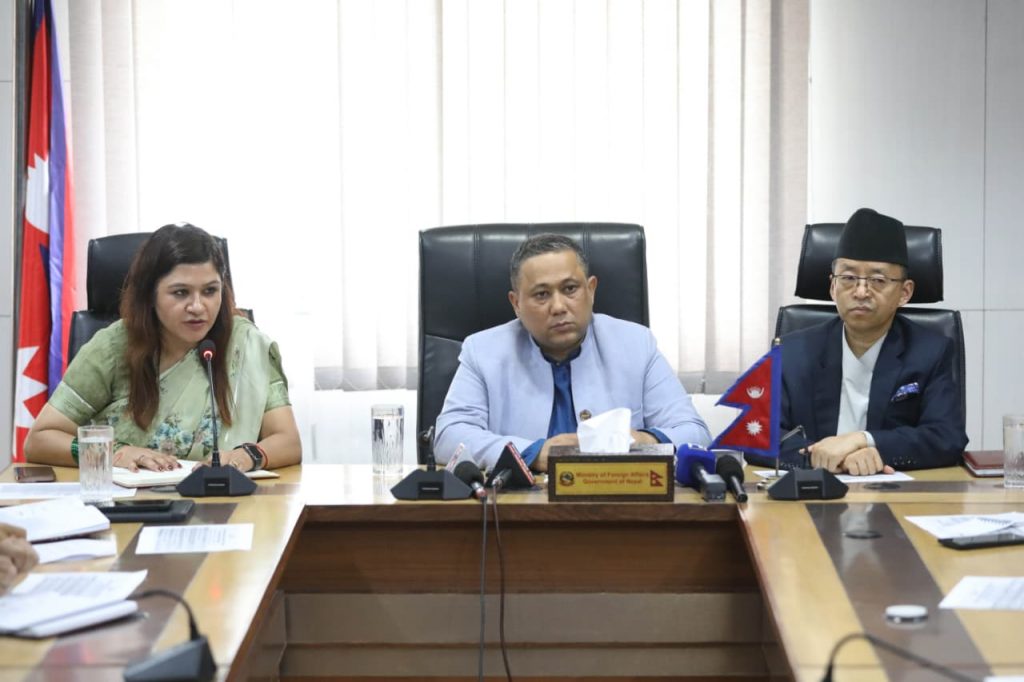
He noted that globalization has led to a continuous rise in the number of Nepalis going abroad for study, research, employment, business, and migration, which has in turn increased the demand for document authentication. For instance, in fiscal year 2080/81 alone, 112,593 students received a No Objection Certificate (NOC) for foreign study, while around 400,000 Nepalis annually obtain labor permits for foreign employment.
Minister Khanal highlighted that authenticated documents are essential for Nepalis abroad in matters such as family reunification, emergency rescue, compensation or insurance claims for injured or deceased individuals, making consular authentication increasingly important. He explained that international practice recognizes public documents through apostille, notarization, and attestation systems, and Nepal has provisions for both attestation and notarization.
He added that in the next phase, the ministry plans to collaborate with the Postal Service Department to deliver authenticated documents directly to applicants’ homes, aligning with the government’s goal of providing public services at citizens’ doorsteps.
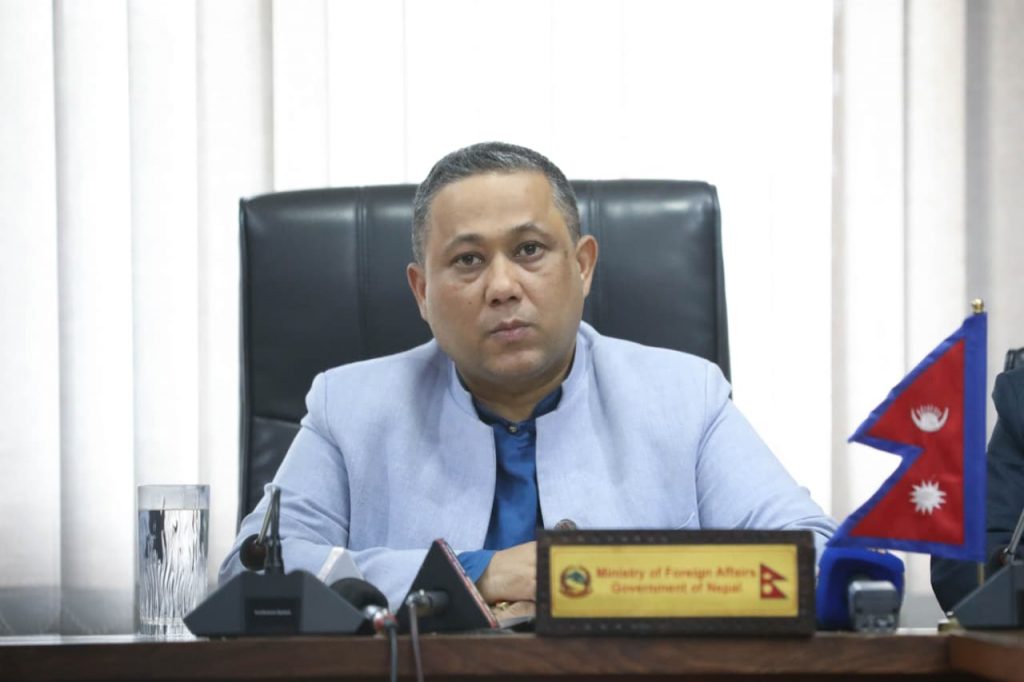
Minister Khanal stressed that the use of digital technology is not just about changing the medium of service delivery but about transforming the very working style of public administration, making interactions between citizens and government more transparent, trustworthy, and aligned with international practices.
He urged the media to effectively disseminate information about the new system to Nepalis at home and abroad to maximize its use. Thanking the staff of the Consular Service Department, the technical team, and all related agencies for their contribution, he pledged to continuously improve and strengthen the system based on feedback from service seekers.
Minister Khanal reaffirmed the ministry’s commitment to citizen-friendly, transparent, and technology-driven public service delivery, expressing confidence that NEATS would further strengthen the government’s efforts to provide high-quality consular services.


Comments