
Confronting Violence Against Women : From Home to Digital Spaces
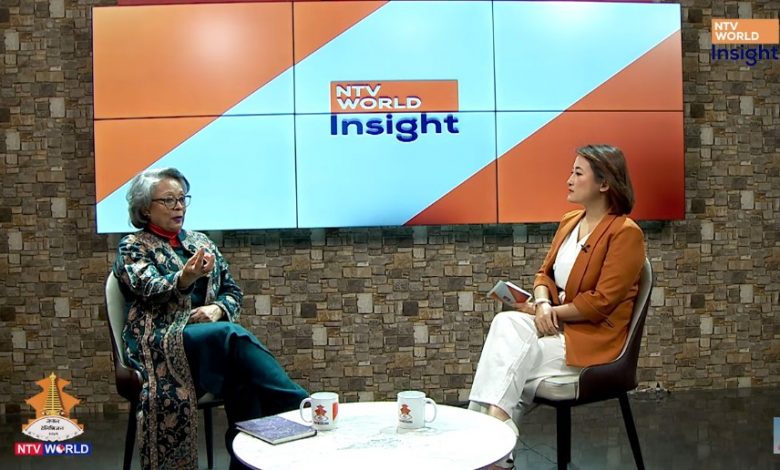
In the context of rising gender-based violence worldwide, our News Editor Sarah Sapsanamma Rai spoke with Mrs. Bhaarati Silawal Giri, a veteran advocate for women’s rights in Nepal, policy influencer, and feminist leader.
With decades of experience in legal reform, grassroots activism, and international advocacy, she has tirelessly fought for justice and equality for women and girls. Here are the excerpts:
Q. Despite decades of advocacy and policy reforms, violence against women continues globally and in Nepal. What are we missing?
A. “It’s not about a lack of efforts or awareness; it’s about deeply entrenched patriarchal values. Violence against women is grounded in male supremacy, reinforced by social and religious norms. Political frameworks may have changed, but cultural values persist, allowing oppression to continue with impunity.”
Q. How has violence against women evolved over time?
A. “Violence is the primary agent that replicates gender inequality across generations. From horrific cases in India to Nepal, the pattern is the same: threats, assault, and impunity persist. Legal remedies alone do not deter violence, because fear itself prevents women from asserting their rights. Violence starts early, and socialization from the home shapes perceptions of gender roles.”
Q. Is male dominance biologically ingrained?
A. “No, it is socially constructed. Gender roles like assuming women must care for the home and children are taught, not natural. Men have been conditioned to dominate the public sphere, and women pay a ‘reproductive tax’ that limits their time for public engagement. True gender equality requires shared responsibility for household work and childcare.”
Q. How protective are Nepal’s legal frameworks for women?
A. “Nepal has made major strides the 2015 Constitution enshrines gender equality and women’s rights but gaps remain between policy and implementation. Laws like CEDAW are binding, yet enforcement is weak. The Beijing Platform for Action identifies critical concerns, but these are non-binding. We need a dedicated global treaty on violence against women to hold states accountable.”
Q. How do we empower grassroots women?
A. “Grassroots women are often more resilient and strategic than those in urban centers. Empowerment isn’t about giving them power they already have agency. It’s about collaboration, sustained focus, and long-term programs. The state, not foreign aid, must ensure continuous support. Media also plays a crucial role in keeping these issues visible.”
Video
Q. How do we address emerging forms of digital violence?
A. “Digital violence amplifies abuse beyond physical spaces. AI can create fake actions or statements, spreading fear and misinformation rapidly. Communities, parents, the state, and platforms must work together to address this. The challenge is unprecedented because the virtual world can act faster and more destructively than any individual.”
Q. What role should women themselves play in achieving gender equality?
A. “Being a woman does not automatically make one gender-sensitive. Many women have internalized patriarchal norms, perpetuating inequality. Awareness and commitment to change are essential. Political engagement must be meaningful, not tokenistic, and women in leadership must assert their independence and advocacy for equality.”
Q. What is the path forward?
A. “Violence against women is multi-faceted. We must work with political parties, media, communities, and grassroots women to set agendas, ensure accountability, and sustain interventions. Justice requires persistence, continuous advocacy, and structural as well as cultural change.”
Quotes that could be of help:
“Violence is the primary agent that replicates gender inequality across generations.”
“We need a dedicated global treaty on violence against women to hold states accountable.”
“Digital violence amplifies abuse beyond physical spaces, reaching victims anywhere, anytime.”
“Justice requires persistence, continuous advocacy, and structural as well as cultural change.”



Comments