
British PM Starmer Resigns
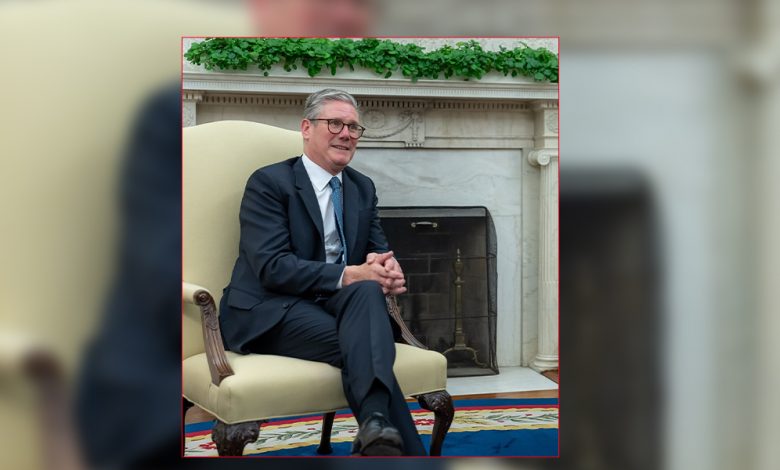
In a dramatic announcement Monday morning in Downing Street, British Prime Minister Keir Starmer announced his resignation after fewer than two years in office in a term characterised by policy U-turns and deep public unpopularity.
British Prime Minister Starmer said he would step down first as Labour leader, with nominations for a successor opening July 9 and any contest wrapped up by the end of Parliament’s summer break on Sept. 1. He said he would remain in office until the process is done, and “ensure an orderly handover of power” to the winner.
“The question my party is asking now is whether I am best placed to lead us into the next general election. I have heard the answer of my parliamentary party,” Starmer said, adding that he accepted their verdict of him with “good grace.”
Starmer’s exit opens the door to Britain’s fifth premier since 2022: a jarring milestone for a political system which once prized itself on its stability. Burnham is Starmer’s most likely successor, not least because last week he roundly defeated Reform UK to win his parliamentary seat in Makerfield, near Manchester. Under Starmer Nigel Farage’s populist outfit, which leads national polls of voter intention, had swept all council seats available in local elections on the same turf just six weeks earlier.
Former Health Secretary Wes Streeting, who quit Starmer’s cabinet in the wake of the council elections, has made clear his intention to stand in any leadership contest. But under Labour Party rules, contenders need to secure the nominations of a fifth of the Parliamentary Labour Party, and it’s not clear he has the support of 81 Members of Parliament to force a contest against Burnham.
In laying out a timetable for his departure, Starmer was responding to the demands of scores of his own backbenchers and also cabinet ministers including Energy Secretary Ed Miliband, who even before a damaging round of local elections last month had privately urged the premier to set out plans for an “orderly transition”.
While rumblings of discontent had long swirled around Starmer’s leadership within Labour following a string of missteps, unpopular policy decisions and costly U-turns, the local elections in early May crystallized the rebellion. In the wake of that disastrous vote for Labour around a quarter of the party’s 403 MPs called on the premier to go. It had lost almost 60% of the seats it was defending while Farage’s Reform and the Green Party made big gains.
A week after those elections, Josh Simons said he was stepping down as Makerfield’s representative in order to pave the way for Greater Manchester Mayor Burnham to secure the Parliamentary seat he needed from which to challenge Starmer for the leadership. Having blocked Burnham from standing in a different special election earlier in the year, this time the premier was unable to prevent him from targeting the seat.
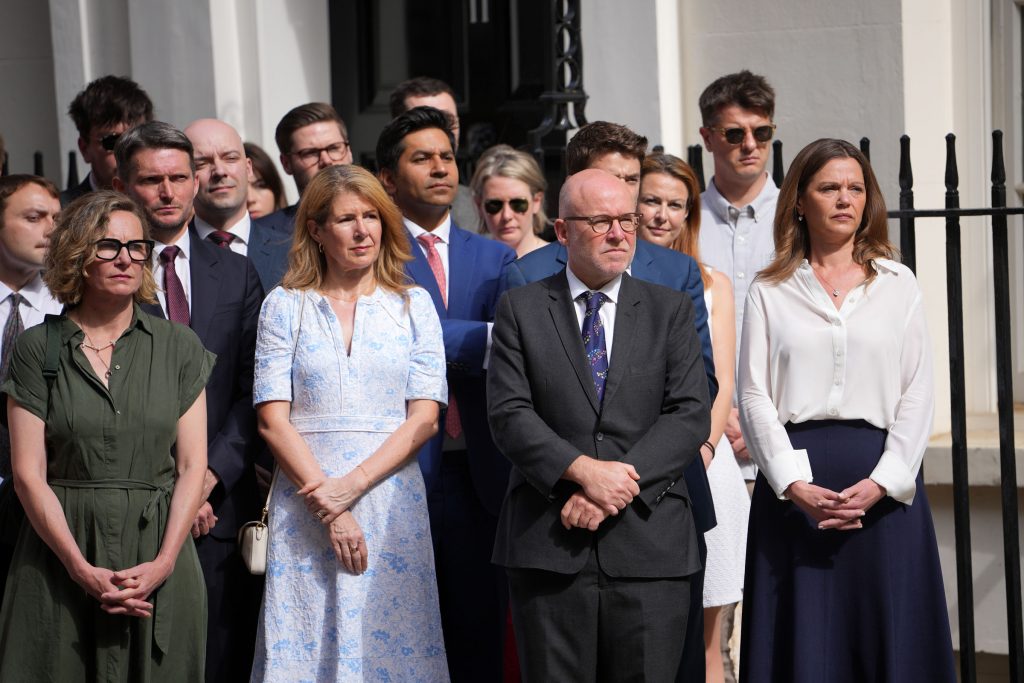
Before Starmer emerged from No. 10, Downing Street on Monday morning, staff lined up outside, alongside key allies of the premier including Deputy Prime Minister David Lammy, Chief Secretary to the Prime Minister Darren Jones and Attorney General Richard Hermer. Then, as the prime minister began to speak, protesters on nearby Whitehall blared out the choral strains of Beethoven’s Ode to Joy, the anthem of the European Union, which Britain voted to leave a decade ago. (Agencies)


Comments