
Bikash Shield: A Slap on State’s Apathy Towards Disability Sports
Devendra Subedi
After 60 years of participation, Nepal won its first Olympic medal when Palesha Govardan lifted bronze in 2024 Paris Olympics.
Nobody then said it was disability sports as the country bowed to the moment as Nepal’s flag and national anthem was raised at the auditorium.
The country bowed down to Palesha Govardan when she won bronze medal for Nepal in the 2024 Paris Olympics.
But the state’s apathy towards disability is just far from imaginable as even managing venue for them becomes a major headache for organizers.
Forget about sensitivity, infact it has been discouraging according to advocates of disability sports, who either by interest or by passion have been championing the genre.
The dedicated entities of the state looking after disability sports are either tired of battling with the state in the fight to secure equal grounds or quarrelling among themselves in national versus international recognition.
In this backdrop, none governmental organizations like Sundar Dhoka Sathi Sewa, have stepped in as the promoters of disability sports, despite numerous challenges.
Executive Director at Sundardhoka Sathi Sewa Bijata Luintel Adhikari says, “Promoting disability sports in Nepal is like breaking the rock with bare hands. The biggest challenge is to change the mindset of the people who think disability sport is useless.”
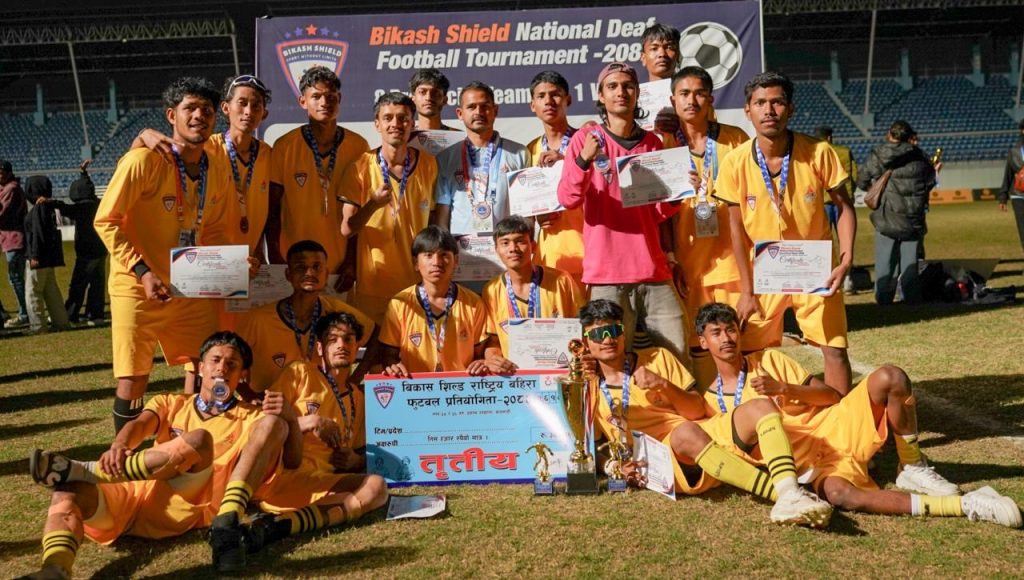
Organizations like Nepal Association for Football of the Deaf (NDFA) are mere spectators in the absence of funding and are happy to arrange teams for private organizers.
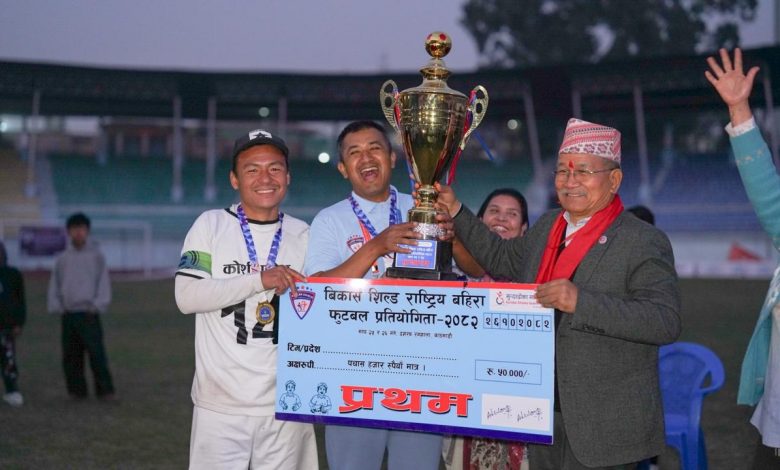
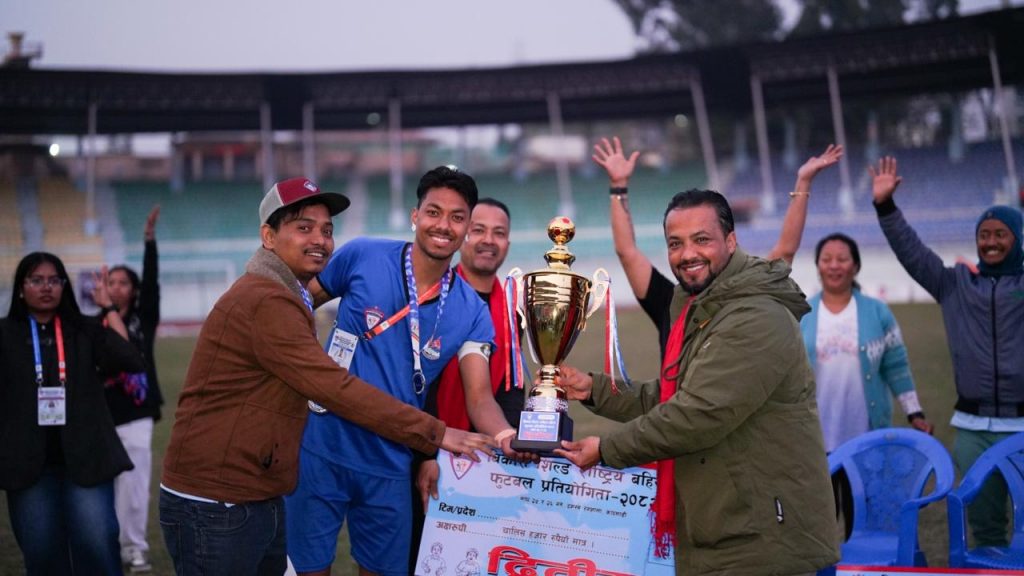
Chairman of NDFA Ribesh Shrestha says the deaf footballers have proven themselves in competitions like Bikash Shield and its high time to let them make the country proud by giving international exposure.
Bikash Shield National Deaf Football Championship was the first ever opportunity that these deaf footballers got to step into Dasharath Stadium, the national stadium.
The moment in itself was enormous for these deaf footballers who were as competitive as other normal players in the two days of competition.
But it is high time for the state and the policy makers not to limit the advocacy of inclusive society for every stakeholder.
How long will these private organizers shoulder the burden that the state should have taken?
Comments