
Cancer is Curable if Caught in Time
Sabika Shrestha
Cancer is no more a killer if it is detected early for timely medical intervention.
Unhealthy diet, lifestyle, tobacco and alcohol consumption are leading causes of cancer globally but environmental pollution is alarmingly coming up as another fast-growing cause of late.
Breaking it down to Nepal, lung cancer remains the most prevalent infection in Nepal, followed by breast, ovarian, gastrointestinal and oral cancers.
Among women, cervical cancer ranks third, though doctors note a sharp rise in breast cancer cases in recent years, largely linked to lifestyle changes, delayed childbirth, stress and reduced physical activity.
Despite these trends, medical professionals stress that cancer is not always a death sentence.
Stage zero is 100% preventive but patients only seek help after they reach third stage.
Late diagnosis and limited access to regular screening continue to worsen outcomes, making cancer a major public health challenge in the country.
Dr. Arun Shahi Consultant Oncologist said, “There used to be a time when they used to say that cancer has no answer, but with the time and advancement in the medical sciences, now cancer has multiple answers. And you can see, like, many patients in our setup, even in Nepal, we can treat so many patients, and they are also curable. But the curable of the disease depends upon the stage. If the patients are diagnosed in the early stage, the disease is curable. But if they are diagnosed in a late stage, where advanced stage, in that case, it is not curable but it is controllable.”
Many cases of cancer, including cervical, breast, thyroid, testicular and certain leukemias, are highly treatable and even curable when detected early.
Doctors caution that 100 percent cancer treatment coverage is not realistically achievable under the current health system, while weak insurance policies and low public awareness further limit access to timely care.
Though the treatment cost in Nepal compared globally is affordable, compared to other treatments within the country it is still very expensive as well as extensive.
As prevention, government has launched measures including HPV vaccination drive, and community-level awareness programs and screening campaigns.
Experts also highlight the role of prevention alongside treatment.
When it comes to diseases like cancer, early detection is very important as medical intervention at initial stage drastically improves survival rates.
Dr. Ujjwal Chalise, Executive Director of Bhaktapur Cancer Hospital, stated, “We receive patients from all over Nepal with all kinds of cancers, and we have developed our capabilities in diagnosing these cases. We are also working to incorporate newer modalities of investigation and treatment into our hospital system. On the occasion of World Cancer Day today, we see it as an opportunity to discuss cancer control strategies, policies, and the ways to move forward, as well as how to improve the current scenario in cancer control.”
Psychological resilience and emotional support are known to strengthen immunity, improve treatment response and enhance quality of life for cancer patients, an often-overlooked aspect of care in Nepal.
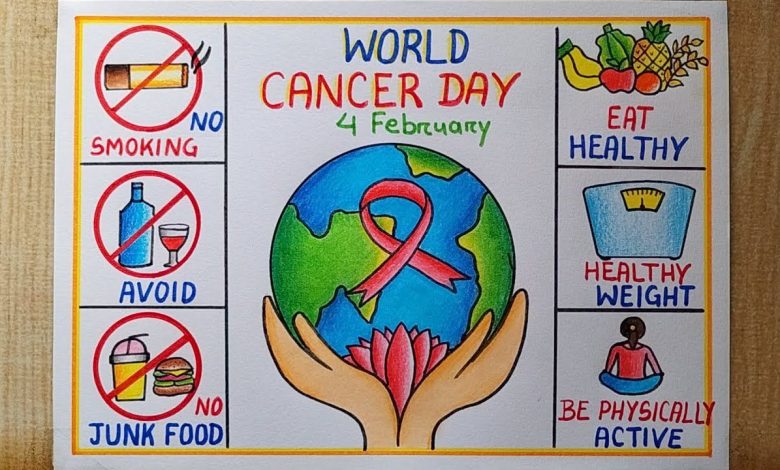
As the world marks World Cancer Day 2026 under the theme “United by Unique,” Nepal’s health community echoes the global call for people-centered, equitable and effective cancer care.




Comments