
Nepal Marks Space Milestone as MUNAL Satellite Launches
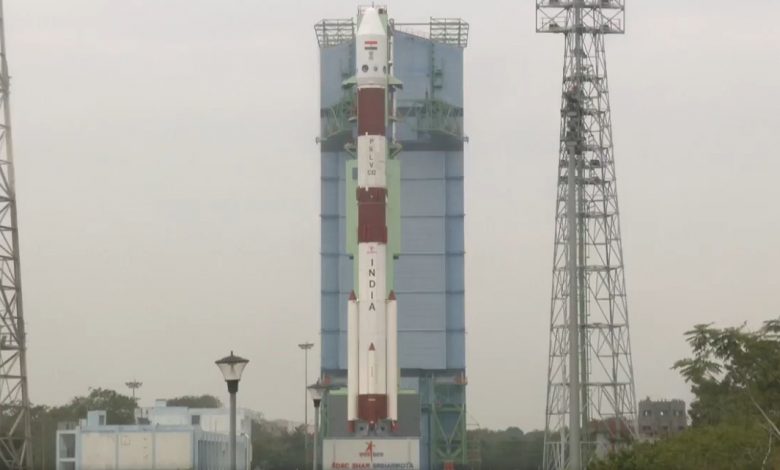
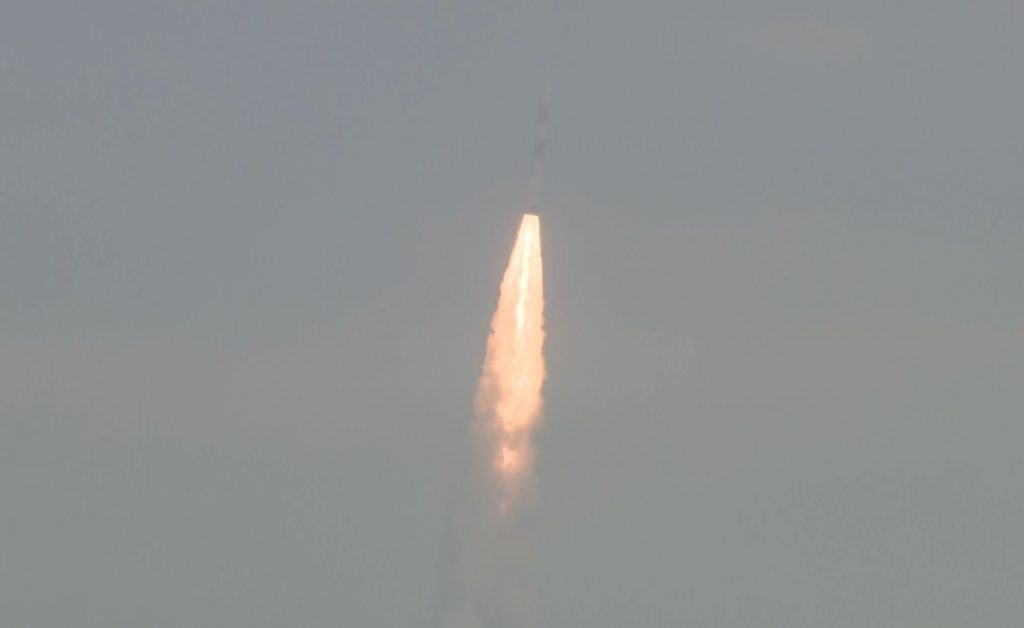
Nepal-built MUNAL Satellite was launched today from the Satish Dhawan Space Centre in India.
The Nepal Academy Science and Technology said the launch of the student-built satellite from India is a remarkable milestone for Nepal.
Nepal achieved a monumental milestone in space technology today, January 12, 2026 (Poush 28, 2082), with the successful launch of the Munal Satellite. The satellite was launched at precisely 10:32 AM NST from the Satish Dhawan Space Centre in Sriharikota, India, using an ISRO launch vehicle.
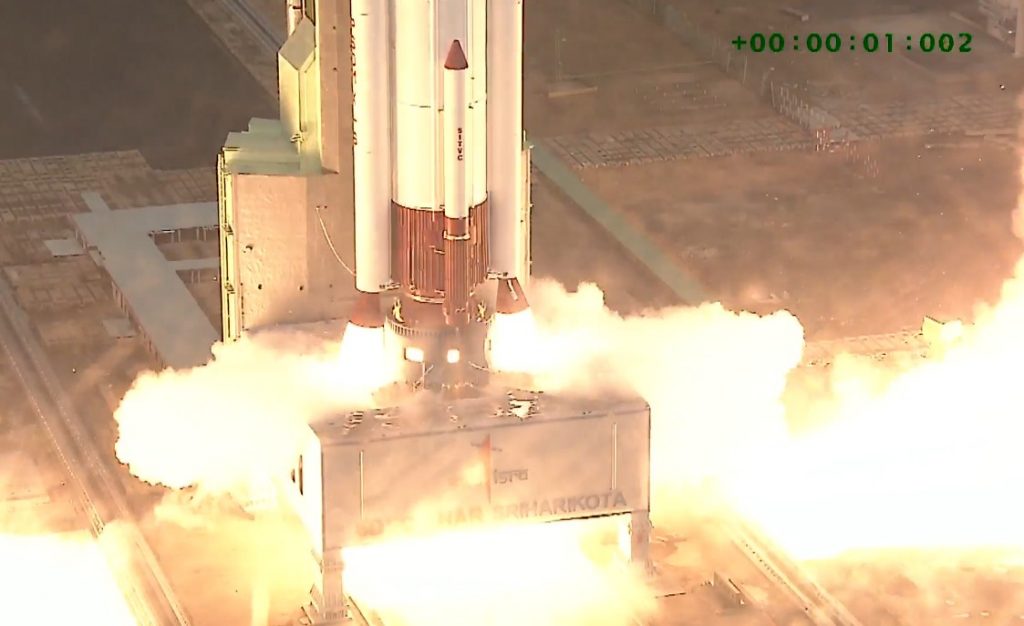
This mission is particularly historic as Munal was developed with the active participation of Nepalese high school students, under the guidance of the Nepal Academy of Science and Technology (NAST) and Antarikshya Pratisthan Nepal.
The project aims to inspire the next generation of Nepali scientists and engineers while providing valuable data for atmospheric research.
NAST officials described the event as a testament to Nepal’s growing commitment to scientific innovation and education.
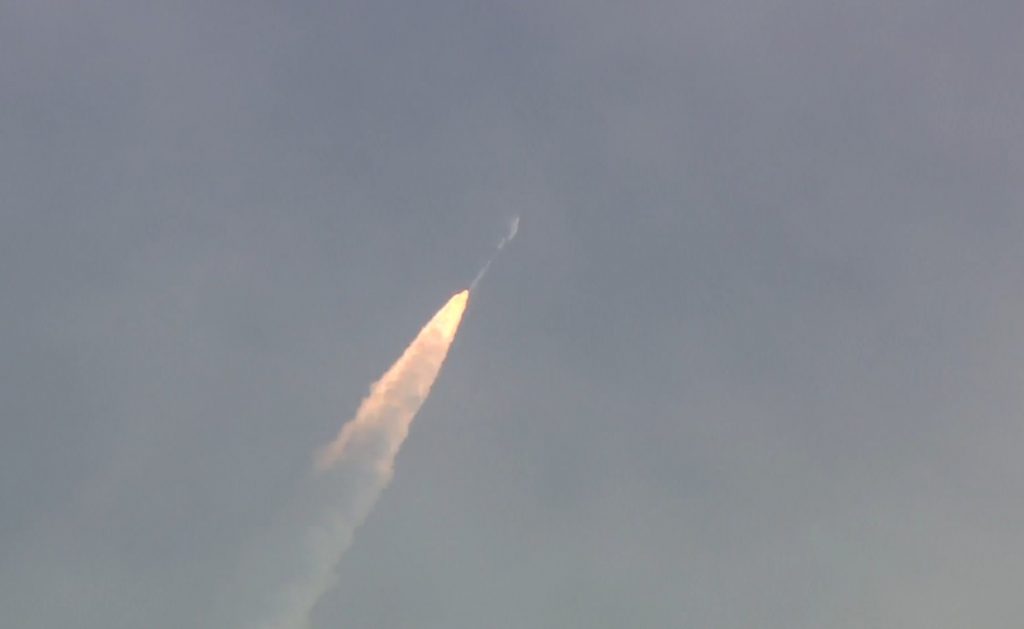
Following the success of NepaliSat-1, the Munal Satellite represents a more advanced step in Nepal’s presence in the lower earth orbit.
This student-led initiative not only puts a piece of Nepalese craftsmanship into space but also strengthens the collaborative scientific ties between Nepal and India, proving that even a small Himalayan nation can dream big in the vast frontier of space.
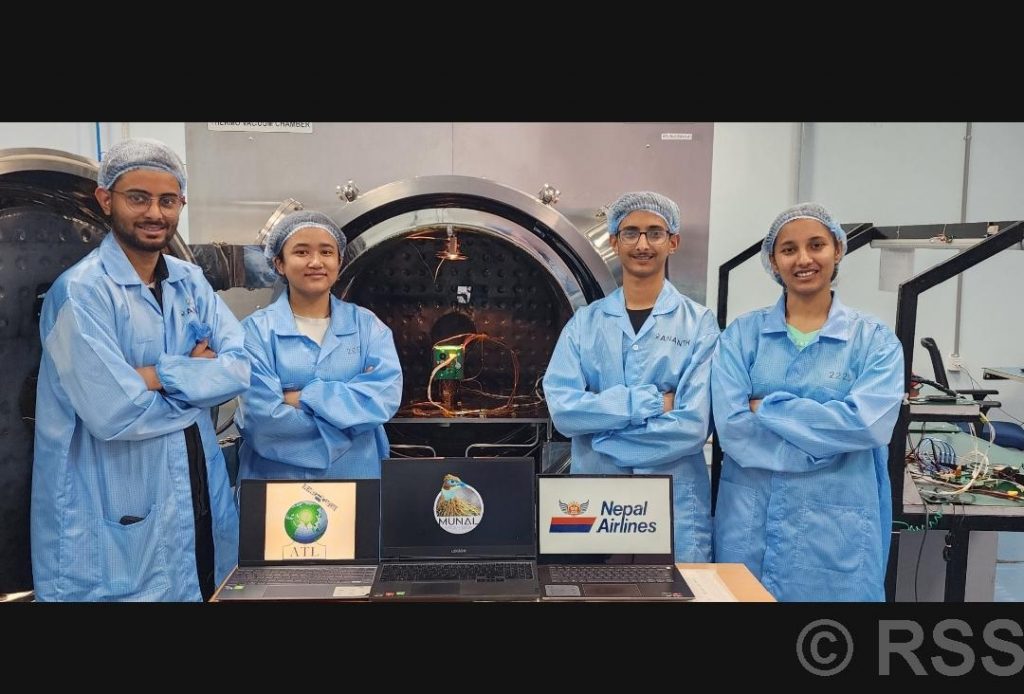
Made with the efforts of two years, the MUNAL Satellite would be used for monitoring of plants, tests of domestic technology and processing of AI-driven data.
It was launched from the ISRO’s PSLV-C62, is a multi-satellite rideshare launch that will deploy satellites from India and several other countries, reflecting strong international cooperation in space science and technology.
Among the international payloads is MUNAL, Nepal’s satellite, alongside satellites from Brazil, the United Kingdom, and Spain, while India contributed multiple domestic satellites, including Anvesha (EOS-N1), AayulSat, and SanskarSat.
This mission marks a significant milestone in strengthening Nepal’s participation in space missions, while also showcasing ISRO’s reliable launch capabilities for global small satellite deployments.
The mission failed due to technical issues. Confirming the failure of the mission, ISRO Chairman V. Narayanan said in a press conference, “The mission encountered a technical anomaly. While the initial flight stages were nominal, the third stage (PS3) failed to provide the required thrust due to an unexpected drop in chamber pressure.” He added, “We have observed a significant deviation from the intended flight path, and as a result, the satellites could not be placed in orbit.” All the payloads consisting of DRDO’s strategic surveillance satellite ‘Anvesha’, and 15 other satellites have been lost.




Comments