
Constipated Alternative Forces and RSP-Balen Agreement
Devendra Subedi
In Nepal’s political landscape, the rise and fall of alternative forces has long reflected the public’s frustration with established parties.
Corruption, poor service delivery, and the recycling of the same old faces have left citizens yearning for change.
Nepal’s political landscape has long been shaped by forces that have governed for a sizeable period.
With absolute grip on power, be the 240-year long Monarchy of the 104-year long Rana oligarchy, there was absolutely no space for others except for no-party panchayat system.
Since the establishment of democracy in 1990 there have been various ups and downs but two major forces, the capitalist calling themselves social democrats under the umbrella of Nepali Congress and the leftists under UML, have cemented their presence.
Following the abolition of monarchy, Rastriya Prajatantra party became the organization of those championing the decayed agenda of monarchy.
While the other communist force, the Maoists after waging a decade long armed rebellion also crashed after entering the mainstream politics.
With the latest genz movement igniting the need for change and transformation in the parties and the leadership, the alternative forces have started uniting with the hope of replacing these forces.
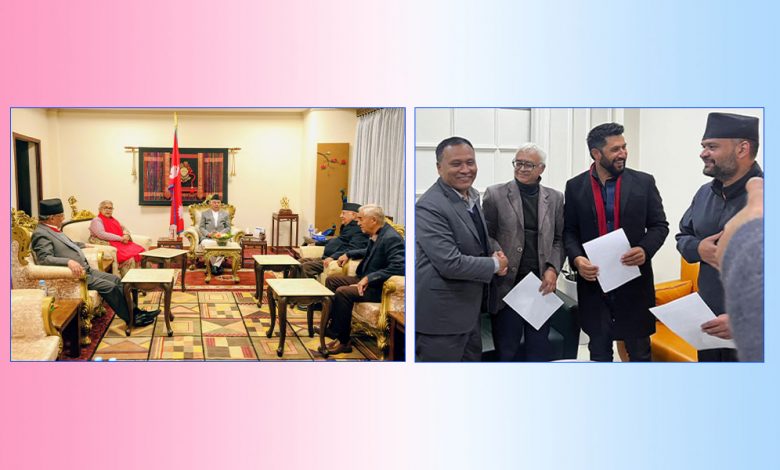
The seven point agreement between Rastriya Swantra Party RSP and influential and popular Kathmandu mayor Balendra Sah has been seen as the attempt to re-organize the change agents as the March 5 elections approaches.
According to political analyst Bishnu Sapkota alternative forces need not always rise from outside. But in Nepal intra-party space for new ideas and faces has been very narrow.
Since the abolition of monarchy in 2008, Nepal has witnessed repeated attempts to build alternative political forces.
In 2011, Bibeksheel Nepali, led by Ujjwal Thapa, emerged as a youth-driven reformist party, promising transparency and good governance.
In 2016, Former Prime Minister Baburam Bhattarai launched Naya Shakti Party Nepal, aiming to break away from traditional leftist politics.
2017 was the year when Bibeksheel Sajha Party was formed through a merger, symbolizing civic activism and anti-corruption ideals.
In 2019, a US returnee engineer CK Raut transformed his secessionist movement into the Janamat Party, representing Madhesh voices.
In the year 2022, The Rastriya Swatantra Party shocked the establishment with its electoral breakthrough, while the Nagarik Unmukti Party rose to champion Tharu rights.
Yet, despite these milestones, most alternative parties struggled to sustain momentum.
Internal splits, weak organization, and limited rural reach meant they could not replace the entrenched dominance of Nepali Congress, UML, and Maoist Centre.
According to Sapkota, the recent seven-point agreement between RSP and Balendra Sah is a very encouraging initiative. However, according to Sapkota whether this will be a last push and will be able to incorporate all the, much needed, alternative faces and secure sizeable presence to govern the country is yet to be seen.
The tide may be turning now.
The RSP Balen seven‑point agreement signals a coordinated push for reform.
Their alliance reflects a growing demand for accountability, service delivery, and fresh leadership.
Whether this alliance can overcome the challenges that defeated earlier movements remains to be seen.
But one thing is clear: Nepalis are ready for new voices, new faces, and a politics that delivers.


Comments