
International Conference on Dignified Mensuration Concludes
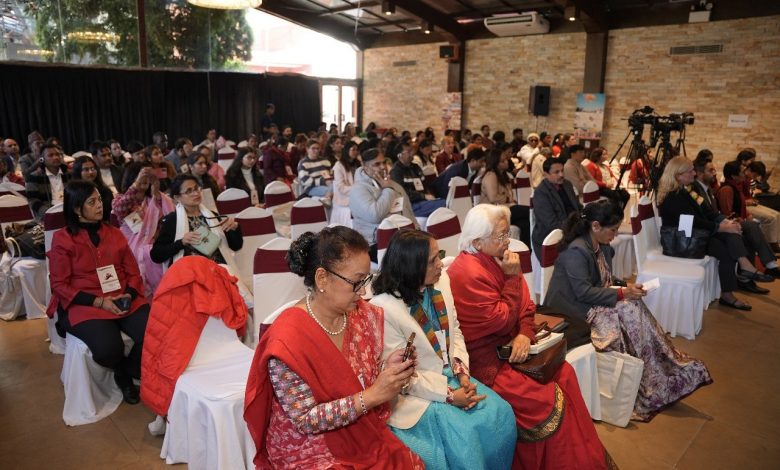
A three-day International Learning Conference on Dignified Menstruation 2025 concluded today by issuing a 12-point Kathmandu Declaration.
The Conference (December 8–10) was held on the occasion of the 7th International Dignified Menstruation Day on the theme “Dignified Menstruation: Reclaim inherent dignity, equity, and inalienable rights”.
Over 140 participants from 21 countries met to share insights and lived experiences on various dimensions of menstrual discrimination and approaches to strengthening Dignified Menstruation.
Led by the Global South Coalition for Dignified Menstruation (GSCDM) and co-organized with the National Youth Council of Nepal and MenEngage Alliance (Global), the Conference underscored that ensuring Dignified Menstruation requires coordinated systemic change across sectors and societies by cultivating equal power relations, dismantling patriarchy, and promoting inclusivity among menstruators and non-menstruators in all diverse settings.
The Conference affirmed that menstruation is an inevitable phenomenon. “Menstrual discrimination is a complex and multifaceted issue and the dignified menstruation framework is a decolonized, inclusive, life-cycle, and human rights-based approach that should be incorporated into diverse settings, recognising the fact that menstruators are everywhere ensuring dignity, equity and meaningful participation,” the international gathering concludes.
Further, such menstrual and gender stereotypes cause sexual and gender- based violence in health, education, SRHR, including STI and HIV, LGBTQIA+, disability, climate, pandemics, and humanitarian settings. As a result, menstruators are utilizing undignified menstrual products and WASH facilities.
The various sessions held during the Conference also explored how art and literature, engagement of children and non-menstruators, religious groups and leaders, and media can play a role in dismantling menstrual discrimination.
Dignified menstruation was also discussed as a political agenda, highlighting the role of government and parliamentarians in transforming the landscape of policies and programs that cascade into the individual level.
Some highlights of the Declaration are that menstrual discrimination, historically ignored, misunderstood, and minimised, must be recognised as a root driver of unequal power relations, patriarchy, and exclusion. It should be addressed as a distinct form of discrimination, rather than subsumed under ‘harmful traditional practices’ as it exists globally in multiple forms and intensities.
Acknowledging Dignified Menstruation as an integral part of child rights, the gathering stressed that considered as a powerful entry point in all conversations, in SRHR, including STIs, HIV, and CSEs. (RSS)




Comments