
A Temple That Opens Once a Year
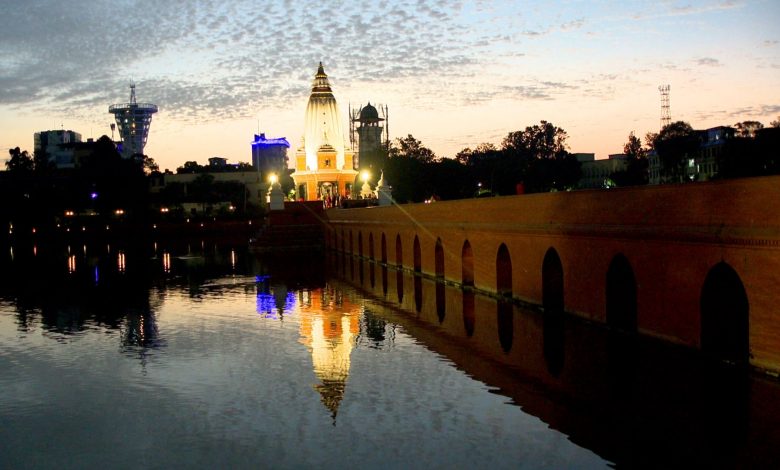
The Bal Gopaleshwar Temple, nestled in the heart of Rani Pokhari in Nepal’s capital Kathmandu, is open to the public only once a year. The occasion marks the main day of the Hindu festival Tihar, called Bhai Tika.
This is the only day the general public has access to this mysterious temple. The day marks the celebration of siblings, where sisters worship their brothers for their love, affection, and support, praying to the Hindu Lord Shiva for the longevity of their life.
Those who do not have their sisters and brothers visit the Balgopaleshwar Temple to worship and perform tika. On Bhaitika day, when sisters put a seven-colour tika on the foreheads of their brothers at their homes, those without brothers or sisters offer worship at the Balgopaleshwar temple.

The genesis of Balgopaleshwor Temple dates back to 1670 AD during the reign of King Pratap Malla, one of Kathmandu’s most illustrious and culturally influential monarchs.
Malla, deeply stricken by grief over the tragic early death of his son, Chakravartendra Malla, resolved to memorialize his loss and console his similarly devastated queen by constructing a pond—Ranipokhari (“Queen’s Pond”) with a temple at its core.
In addition to memorializing his son, Pratap Malla reportedly collected holy water from 51, some sources say 64, sacred rivers across Nepal and India to sanctify the pond.
The original temple was dedicated to Balgopaleshwor, a child form of Lord Krishna, underscoring both the grief for the lost son and the hope for spiritual protection.
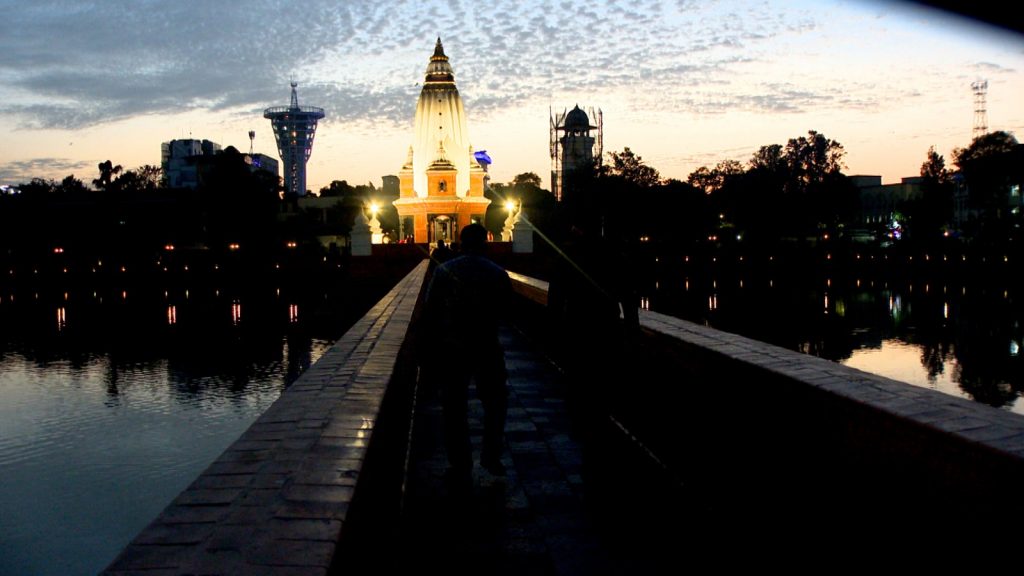
The temple’s placement in the exact center of Ranipokhari also speaks to the king’s intent to symbolically situate mourning, devotion, and aspiration for transcendence at the center of public and private life.
The creation of Ranipokhari and the Balgopaleshwor Temple was both an intensely personal act and a public statement of kingship, devotion, and cosmopolitan vision.
Notably, the construction of the temple and pond was intertwined with a constellation of festivals and a communal healing process.
The Gai Jatra (“Cow Festival”), a procession and public spectacle blending mourning, satire, and celebration, was reportedly initiated by Pratap Malla as a means to assuage his queen’s grief, showing her that many in the realm suffered loss, thus fostering communal catharsis.
The Balgopaleshwor Temple was originally constructed in the Granthakut or Shikhara style, a vertical, peak-shaped temple form that was both architecturally ambitious and symbolically loaded.
Hallmarks of this architectural type include a tall, tapering central tower (shikhara) adorned with intricate wooden carvings, decorative cornices, and a distinctive pinnacle or “gajur” at the top.
The architectural history of the temple is inextricably linked to Nepal’s experience with earthquakes. The 1833 and especially the 1934 earthquakes damaged the structure, prompting significant reconstructions that altered its form.
During the early 20th century, under Rana Prime Minister Jung Bahadur Rana’s directive in 1905, the temple was rebuilt in a “Gumbaz” or dome style, reflecting Mughal/Islamic architectural influences, which had been popularized by the ruling Ranas through their own palaces and public buildings.
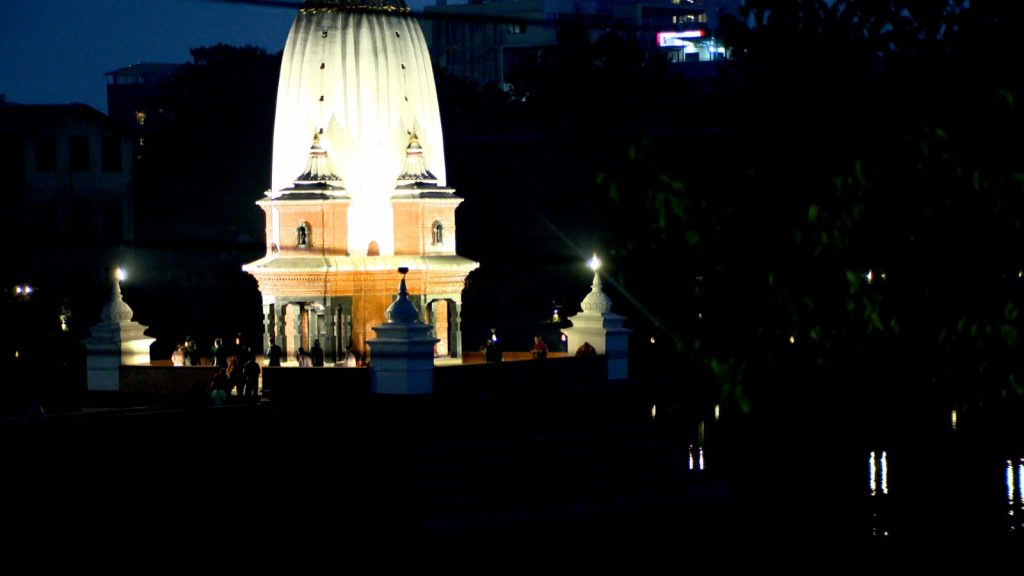
After catastrophic structural damage from the 2015 Gorkha earthquake, restoration became a hotly debated national issue.
Early attempts by Kathmandu Metropolitan City (KMC) utilized modern materials (cement and steel), sparking public outrage and intervention by the Department of Archaeology, UNESCO, and heritage advocates. Ultimately, consensus was reached, thanks to expert groups and substantial public pressure, that restoration would return the temple to its “original” Malla-era Granthakut style, using traditional methods and materials wherever possible.
At the spiritual heart of the temple is an idol of Bal Gopal, child Lord Krishna, which aligns the temple with powerful Vaishnavite traditions that celebrate Krishna’s youthful, mischievous, and loving aspects. This deity is widely revered across Nepal and South Asia, embodying innocence, devotion, and protection.
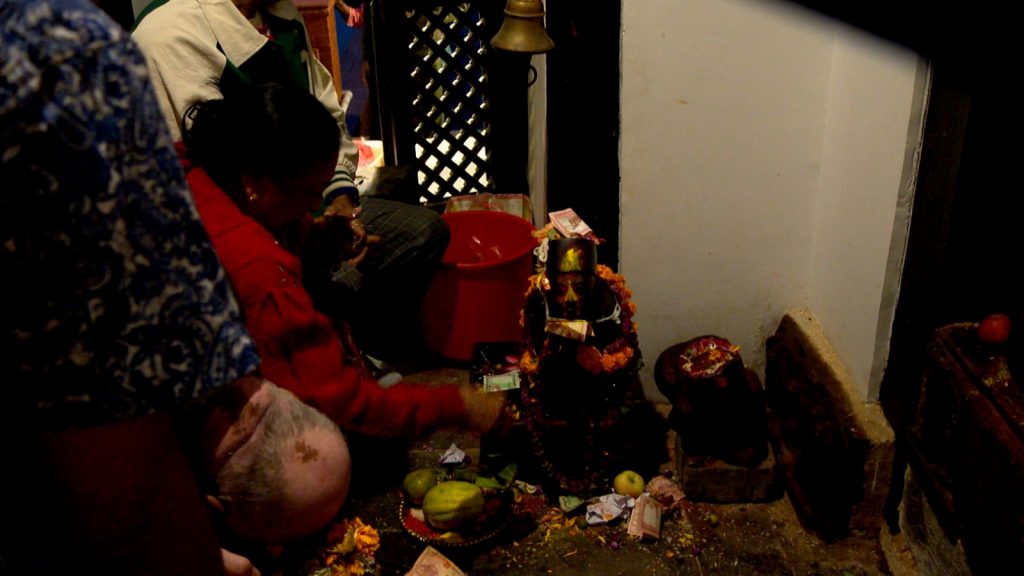
The annual tradition of opening the Balgopaleshwor Temple only on Bhai Tika has deep cultural and spiritual origins. While the temple’s restricted access throughout the year underscores its sanctity, the act of opening it specifically for Bhai Tika creates a space for collective celebration, mourning, and emotional healing.
This practice reportedly began in 1978 AD and has become a vital part of how Kathmandu observes Tihar. The temple, visible glimmering above the tranquil waters only once each year for the public, stands as an ever-renewed symbol of Nepal’s rich, layered, and undimmed heritage.


Comments