
Cow Worship in Nepal : Ancient Rituals that Bind Culture and Faith
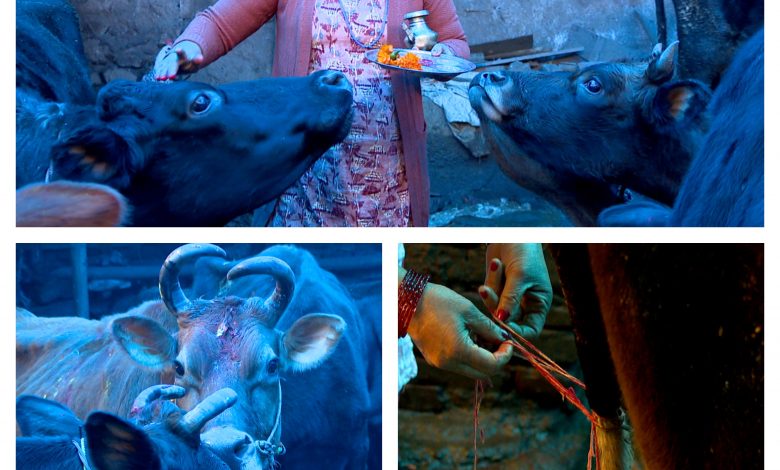
Today marks the fifth day of Tihar, also known as Gai Puja (Cow Worship) in Nepal.
Celebrated during Kartik Shukla Pratipada (first day of the bright fortnight) and Yam Panchak, this day cows are honored through rituals and are given special foods as a gesture of respect.
The tradition of worshipping cows dates back to ancient Vedic times, where they were revered for their nurturing qualities. Cow’s milk, considered highly nutritious, is seen as equivalent to a mother’s milk, making the cow a symbol of motherhood and care, known as Gau Mata (Mother Cow).
Modern science has also recognized the importance of cows, explaining how they draw energy from the sun and moon, and offer strength to humans through their milk, dung, and urine. According to popular belief, worshipping cows on this day and offering them sweet foods is said to bring spiritual purity and blessings as per hindu faith.
“On this day, it is believed that if the sacred thread, traditionally tied around the right wrist during the Raksha Bandhan ceremony, is instead tied to the tail of the cow, it will help guide the soul to the afterlife. According to Hindu beliefs, the cow’s tail acts as a spiritual conduit, assisting the soul in crossing the Baitarani River, a sacred river in Hinduism to reach heaven after death. This act symbolizes the cow’s role as a spiritual protector and guide for the departed soul.”
While in some regions of Nepal and among certain communities, cows are worshipped during Kartik Krishna Aunsi (the New Moon of Kartik), religious texts suggest that the proper time for cow worship is at the transition from the Aunsi (new moon) to Pratipada (first day of the lunar fortnight). In Hindu tradition, giving a cow as a donation is considered an important act of virtue.
In modern times, when a cow is not available for donation, money is often set aside as a symbolic offering. Cows are not only considered sacred in religious practices but are also honored as the national animal of Nepal.

Comments