
Nepal Considers Overseas Voting Ahead of Parliamentary Elections
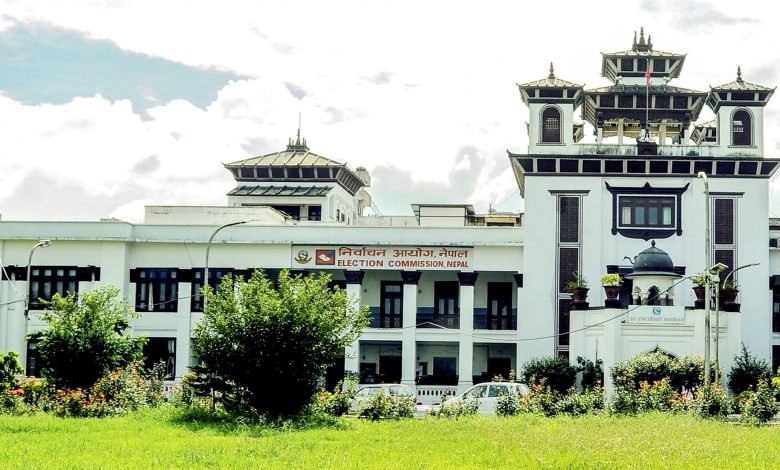
As Nepal prepares for parliamentary elections on 5 March 2026, discussions have begun on enabling Nepali citizens living abroad to cast their votes, a long-standing demand that has yet to be fully realized.
While the country’s Supreme Court ordered the government eight years ago to guarantee voting rights for Nepalis overseas, existing laws have not yet been amended to implement the ruling. The court’s directive, issued on March 21, 2018, required legislation to allow expatriates to participate in national elections, but legal gaps remain.
The demand for overseas voting rights has gained momentum in recent years, particularly following the 8 and 9 September 2025 Gen-Z movement and the subsequent formation of the current government. The Election Commission of Nepal (ECN) has confirmed that enabling overseas voting is legally and logistically possible if necessary amendments are made to several key laws.
According to the ECN, four laws require amendment to facilitate voting abroad, the Election Commission Act 2016, the Voter Registration Act 2016, the Election Offenses and Penalties Act 2017, and the House of Representatives Election Act 2017. Changes would allow the appointment of election officers overseas, provide clear guidance on printing, transporting, and counting ballots, and enable eligible expatriates to register as voters. The revisions would also clarify procedures if overseas citizens face any electoral violations.
A draft bill submitted to the Nepal’s Ministry of Home Affairs in 2023 proposes to incorporate overseas voting rights, but the legislation has not yet progressed. The ECN has emphasized that once legal amendments are enacted, there would be no technical or procedural barriers to conducting elections for Nepalis living abroad.
The push for overseas voting reflects Nepal’s broader efforts to strengthen democratic participation and include citizens who contribute to the country from abroad, ensuring that expatriates have a voice in shaping the nation’s future.


Comments