
Nepal Takes ‘Sagarmatha to the Sea’ Climate Agenda to UN
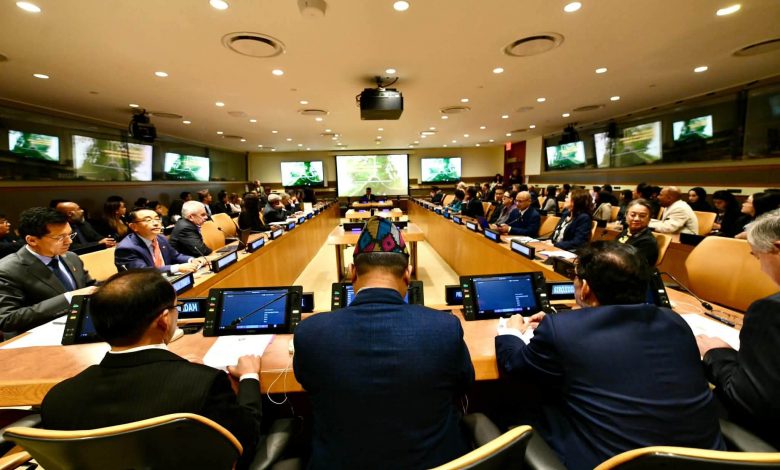
Nepal has taken its “Sagarmatha to the Sea” climate agenda to the United Nations, bringing together mountain, coastal and island nations to call for a more integrated response to the climate crisis.
Nepal organised the high-level special meeting “Sagarmatha to the Sea: A Call to Action for a Climate-Resilient Future” as a side event at UN Headquarters in New York.
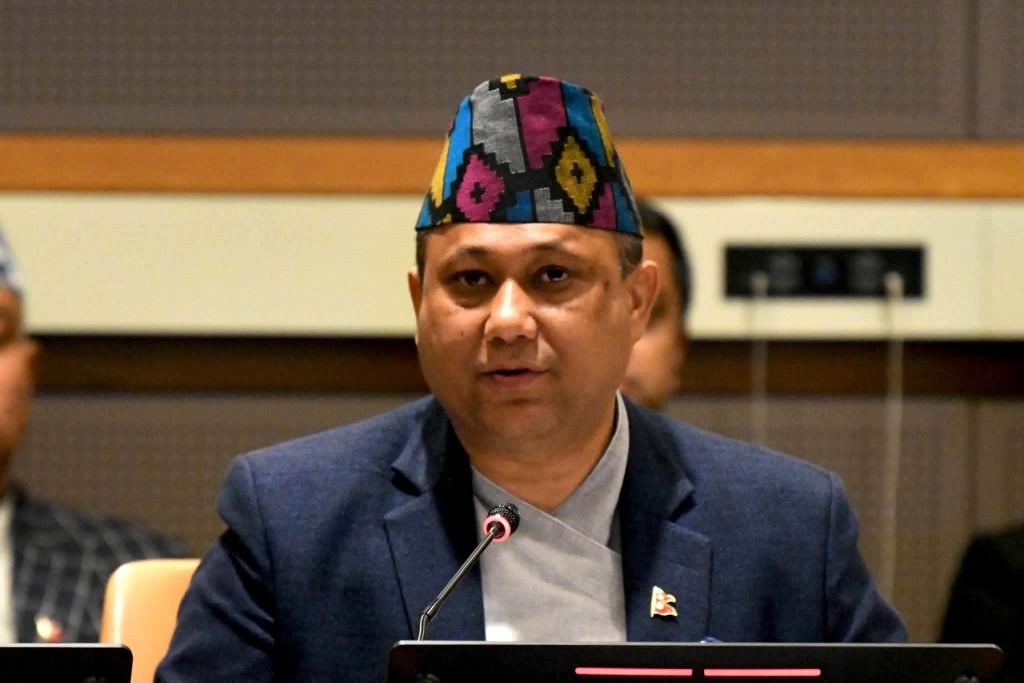
Foreign Minister Shishir Khanal chaired the forum, while Nepal’s Permanent Representative to the United Nations and President of ECOSOC, Ambassador Lok Bahadur Thapa, played a central role in convening the meeting.
The UN General Assembly President Khalilur Rahman said he accepted Thapa’s invitation to attend the event, describing it as an important reminder of what the international community has failed to achieve and a pointer to what lies ahead.
The meeting was co-hosted by Bhutan, Maldives, New Zealand, Samoa and Tajikistan, along with UNESCAP and the Regional Commissions New York Office.
The discussion focused on the interconnected impacts of climate change from melting glaciers and changing mountain ecosystems to rivers, plains, coasts and rising seas.
UNGA President Rahman called for stronger monitoring and data sharing, early-warning systems, climate-resilient infrastructure, technology and expertise, and greater access to predictable climate finance.

He urged countries to turn the “Sagarmatha to the Sea” concept into a practical agenda for shared resilience and collective action ahead of COP31.
The initiative builds on an earlier high-level event convened by ECOSOC President Lok Bahadur Thapa at the Asia-Pacific Forum on Sustainable Development in Bangkok in February, where the focus was on vanishing glaciers, rising seas, regional cooperation, youth perspectives and climate finance.
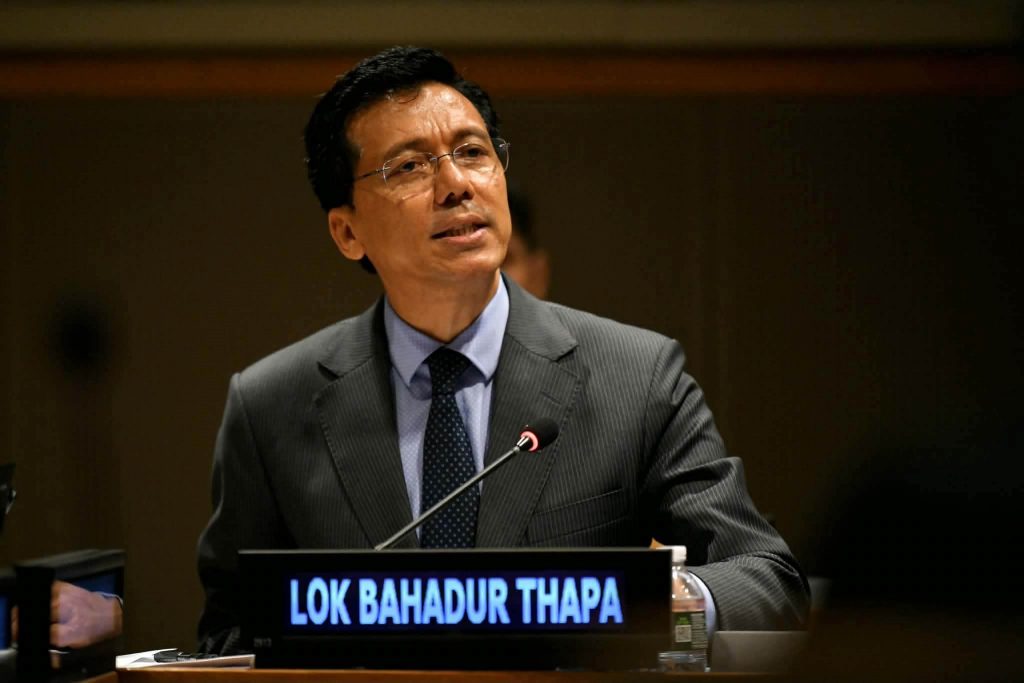
The meeting builds on Nepal’s earlier Sagarmatha to the Sea initiative launched through a high-level ECOSOC event at the Asia-Pacific Forum on Sustainable Development in Bangkok in February.
Nepal says the initiative seeks to establish a holistic understanding of climate change, connecting mountains, rivers, plains, coasts and oceans and translating that interconnectedness into coordinated global action.



Comments