
Policy Research Institute Accelerates Evidence-Based Public Policy in Nepal
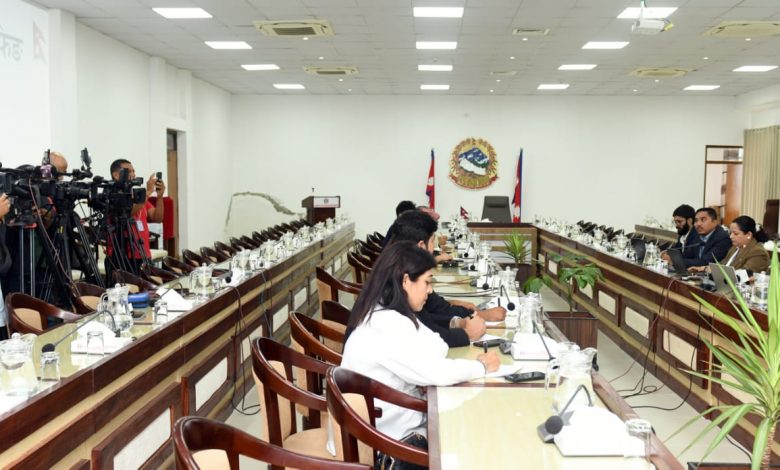
The Policy Research Institute (PRI), under the Office of the Prime Minister and Council of Ministers, has intensified its efforts to make Nepal’s public policy formulation more fact-driven and evidence-based.
According to the fortnightly progress report submitted to the Office of the Prime Minister and Council of Ministers (August 1–15), eight reports prepared by the Institute have been forwarded for expert and internal review.
Reports such as “Gender Issues and Domestic Violence in School Curriculum, Crimes and Punishments” and “Enhancing Teacher Capacity and Strengthening Management Systems for Improving the Quality of School Education in Nepal: A Strategic Study” have been sent to the Institute’s Publication Review and Recommendation Committee for internal evaluation. Meanwhile, the study “Criteria for Identifying Disadvantaged Groups” has been forwarded for expert review.
Other reports including “Criteria for Identifying Impoverished Khas-Arya Groups”, “Review of the National Housing Policy 2011 in the Context of Nepal’s Changing Socio-Economic Landscape”, “Recommendations for Integrating Social Security Systems”, “Foreign Direct Investment Commitments and Implementation in Nepal”, and “Reintegration of Returnee Migrants in Nepal: Harnessing Capital, Knowledge, and Skills”—are undergoing both internal and expert review processes.
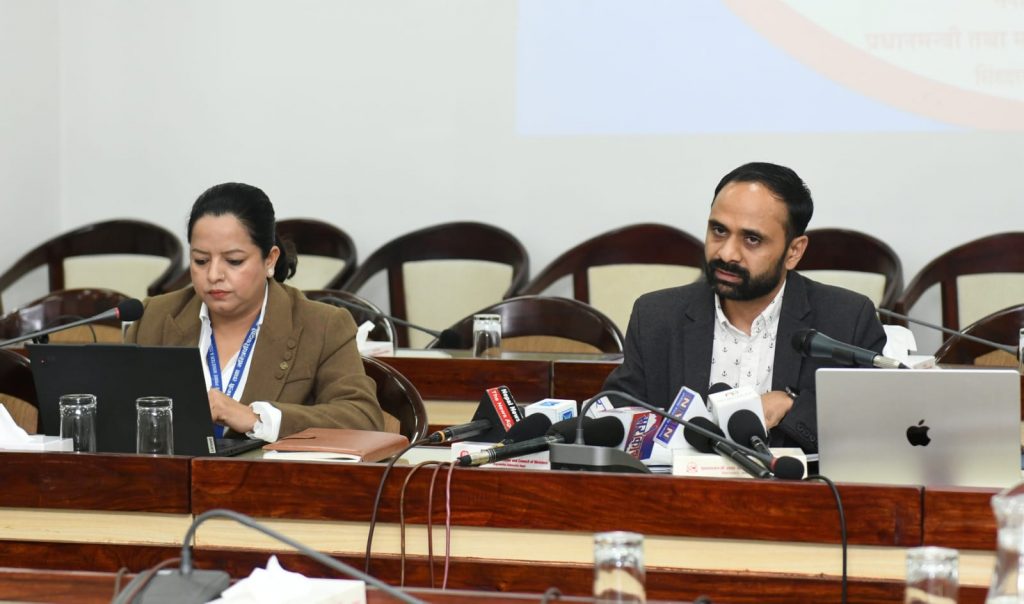
To address information gaps caused by frequent staff transfers and role changes, and to preserve institutional memory, the Institute has also published two important reports online: “Effectiveness of Public Expenditure Management” and “Culture of Knowledge Transfer in Civil Service.” In addition, three more reports are in the final layout stage, aimed at strengthening evidence-based policy debates.
The Institute’s journey of institutional strengthening extends beyond research and publication to broader policy dialogue and concrete planning. A public policy dialogue was recently held with stakeholders to align the two-decade-old National Drug Control Policy 2006 with current international human rights and health standards.
Furthermore, the Institute’s Development Committee has approved the annual budget allocation and program plan for fiscal year 2083/84. This approval is expected to ensure that PRI’s research activities are not confined to academic exercises alone, but are strategically and financially integrated with the government’s annual work plan.


Comments